
The case in a small Alabama town became a national eye-catcher after a 62-year-old grandmother protested in an inflatable phallic costume and was arrested, then found not guilty in municipal court. Officers were recorded on body camera during the encounter, and the judge concluded there was probable cause to arrest but not enough evidence to convict. The woman and her attorney say her free speech rights were violated and they may pursue further legal action.
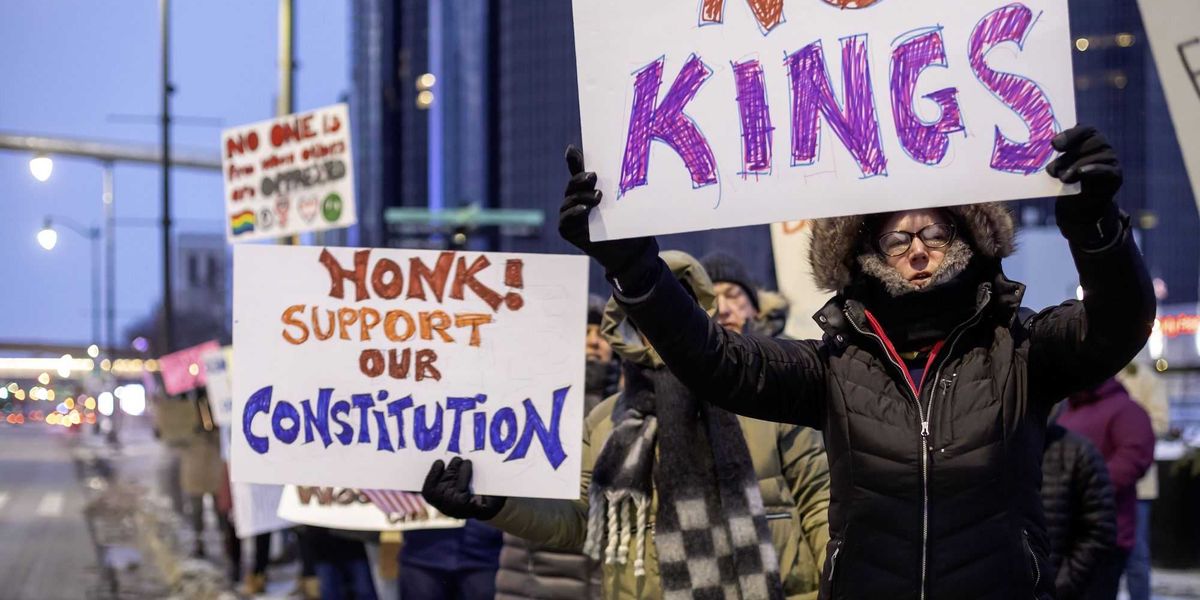
The protest happened in Fairhope during a No Kings demonstration aimed at criticizing the federal government. The woman refused an officer’s request to remove the costume and was pushed to the ground, an exchange captured on police body-camera footage. That footage drove public interest, and it raised sharp questions about where free expression ends and public order begins.
‘We have some growing and relearning to do about the rights the citizens of this town have.’ Those words were repeated in the courtroom and outside it, and they highlight the strain between local sensibilities and constitutional protections. From a Republican perspective, the debate often comes down to respect for free speech while also defending public safety and decency.
The officer told Renea Gamble that the costume was offensive at the time, and city officials stressed community standards. Defense attorneys argued the arrest trampled on Gamble’s First Amendment rights and pointed out the officer did not accuse her of creating any traffic problems when he confronted her. “He just found her to be offensive,” David Gespass said to reporters outside of the courthouse. “I mean again, that’s all he talked about when he was testifying was … not when he was testifying, when he was confronting her was, ‘I’m not going to put up with this in my town.’ He said nothing about her causing any problems with traffic.”
City leaders pushed back in court, arguing there are limits to public conduct, especially when it takes a form designed to provoke. Marcus McDowell, the city attorney, argued that no one has the “constitutional right to wear a seven-foot penis costume on the side of the road.” That blunt claim framed the city’s position: they viewed the display as beyond acceptable protest and potentially disruptive to neighbors.
Judge Haymes Snedeker handed down a mixed ruling, acquitting Gamble on three city charges and dropping the traffic-hazard count. He also determined the officer had probable cause to make the arrest, but the evidence fell short of proving guilt beyond a reasonable doubt. The legal nuance matters: probable cause allows an arrest, but it does not necessarily carry enough weight for a conviction when free speech is in play.
Outside the courthouse Gamble declared the decision a victory for constitutional rights and vowed the fight isn’t over. “We have some growing and relearning to do about the rights the citizens of this town have,” Gamble said. Her attorney, Gespass, suggested a civil-rights lawsuit might follow, arguing the arrest violated her liberties and seeking accountability for how the encounter unfolded.
Locals reacted with mixed emotions—some said they were embarrassed that the story brought national attention, while others felt the ruling affirmed free expression. The episode puts a small town under a public microscope and forces residents to confront uncomfortable choices about protests that use shock value. It also shows how a single protest can spark long legal debates over constitutional limits.
The body-camera footage remains central to any next steps and is likely to be scrutinized if civil litigation moves forward. The courtroom outcome leaves open questions about how police should balance order with rights when a protest deliberately courts offense. For now, the municipal ruling stands and Gamble and her supporters celebrated outside the courthouse.
