
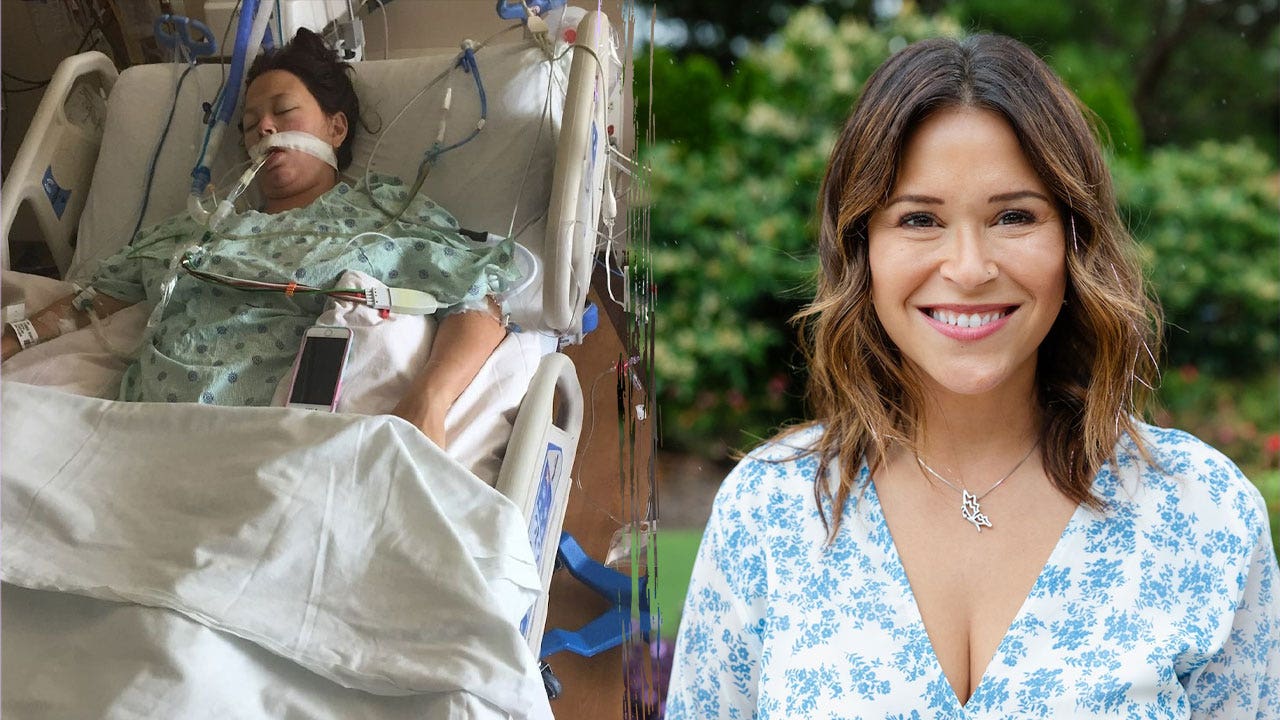
Audrey Leishman nearly lost her life to sepsis and now uses that scare to push for faster recognition, financial help and simple questions in the doctor’s office. After a harrowing ICU stay and a medically induced coma, she founded the Begin Again Foundation and wrote a children’s book to teach families what to watch for. This article follows her experience, what experts say about sepsis, and the practical steps she urges parents to take.
In 2015 Leishman was a healthy 31-year-old who thought she had caught the flu while caring for her toddlers alone. “I had never actually had the flu before, but I was achy, feverish and cold. And so I thought, this seems like the flu,” she told Fox News Digital during an on-camera interview. Instead of improving, she felt steadily worse and developed severe stomach issues.
Odd, unexplained aches popped up and then the fatigue became crippling. “At one point, I actually thought I was going a little bit crazy, because my right elbow and left big toe started hurting – it was the most random thing. I hadn’t injured myself,” she said. “I was really confused as to what was going on.”
Friends pushed her to urgent care after she became too weak to care for her boys and started having nosebleeds. Her vital signs were off and an ambulance took her to the emergency room where doctors initially chased other possibilities. “They took a very long time to figure out what was going wrong with me,” she said, adding that doctors at first thought she was afflicted with autoimmune diseases.
By the time the diagnosis landed, Leishman was in critical condition and spent 10 days in the ICU, five of those in a medically induced coma. “I very much remember not being able to breathe,” Leishman recalled. “That was by far the scariest part. It got to the point where I had to pause between every word to take a breath, and it was basically like sipping air.”
Waking up was only the first step in a long recovery of relearning basic things. “When I finally did wake up, it was quite the process of relearning how to walk again, dealing with at-home physical therapy and being on a PICC line (peripherally inserted central catheter),” Leishman shared. The first year was brutal and marked by repeated illness and low energy.
The exact trigger for her sepsis was never pinned down, but she did get a series of infections and a diagnosis that included toxic shock syndrome. “I did have the diagnosis of toxic shock syndrome, but I also had tonsillitis, strep throat, a UTI and pneumonia,” she said. “I was a very, very sick person.”
Medical experts explain sepsis as the immune system running amok after an infection spreads into the bloodstream and sparks widespread inflammation. “The body reacts by making inflammatory chemicals. It’s the immune system revving up … but it can hurt more than help,” he previously told Fox News Digital. Leishman offers the blunt image: “Instead of your body sending out the Navy SEALs, it sends out the entire U.S. armed forces.”
When sepsis advances it can cripple organs and lead to dangerous lung injury known as ARDS, which is what happened for Leishman. “The kidneys fail, toxins from the kidneys build up, blood pressure goes down, fever goes up, the lungs fail — something called ARDS,” he said. That cascade can become lethal unless care is immediate.
Warning signs are often basic but easy to miss: high fever, confusion, rapid breathing, extreme weakness, low blood pressure and a fast heart rate. Leishman stresses how little most people know about the condition and how that lack of knowledge nearly cost her life. Her response was to create resources and financial help through Begin Again to ease the burden on families fighting long hospital stays.
Her children’s book, Katie Koala’s Biggest Bite, aims to put the idea of sepsis into plain language for kids and caregivers. “My goal for this book is that it will be in both little hands and their parents’ bigger hands … and that by reading this story, they learn about what sepsis is and what symptoms to look out for,” she said. She wants the book to be a bridge to conversations that lead to earlier treatment.
Leishman recommends a single, simple question whenever a child or family member seems unusually sick: “Could this be sepsis?” Asking it can change the tests clinicians run and speed up the right care. “Time truly is the most important thing – and getting that early treatment can prevent you from even being hospitalized.”
She also warns that sepsis can follow almost any infection and can come from something as small as a cut or as common as strep throat or the flu. “The most common causes are respiratory infections, UTIs and kidney stones, but it can happen from a cut. It can happen from strep throat, the flu,” she warned. Her push is simple: learn the signs, ask the question, and get help fast.
