
• Senate and tribal leaders push back on Trump’s renaming order
• The dispute centers on Indigenous heritage and treaty obligations
• Critics call the move disrespectful and politically motivated
• Canadian officials and U.S. governors also object
• Trade tensions between the U.S. and Canada form the backdrop
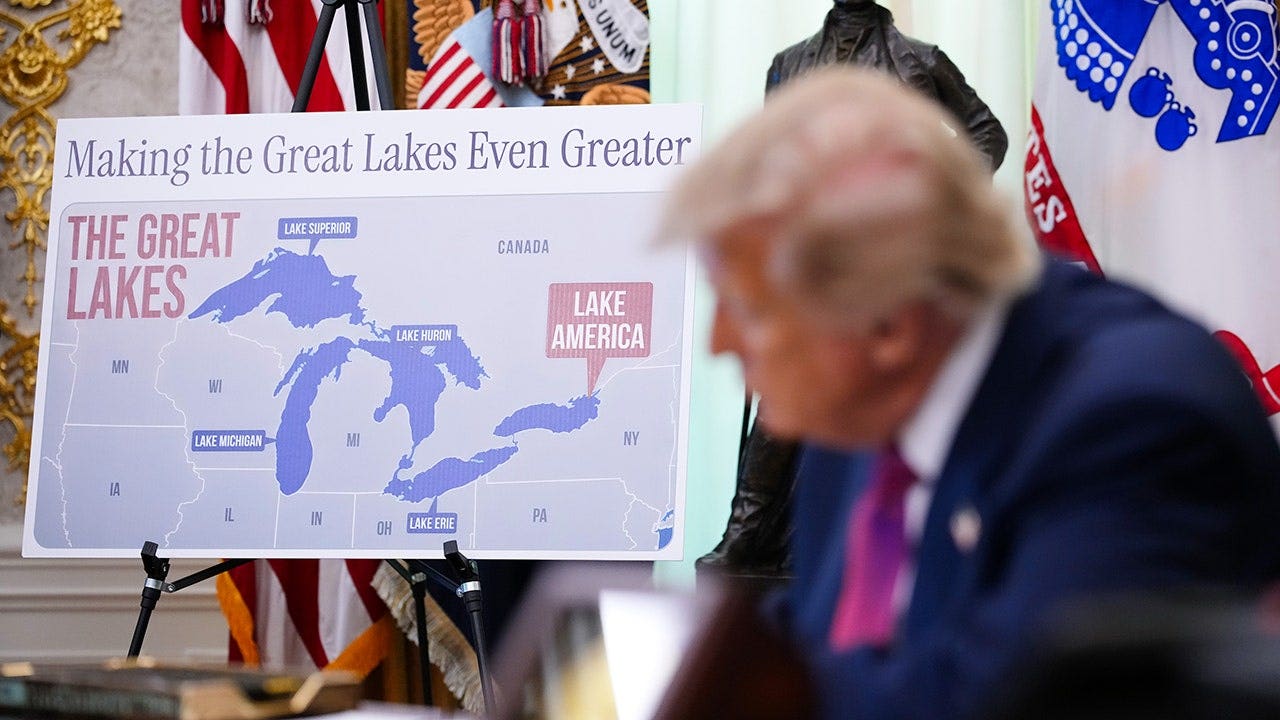
A fresh fight over a familiar body of water has turned into a bigger argument about history, respect and power. After President Donald Trump ordered Lake Ontario renamed “Lake America,” the leader of the Seneca Nation demanded the change be reversed, saying the move tramples Indigenous identity and ignores long-standing legal commitments.
Seneca Nation President J. Conrad Seneca blasted the order as “unpresidential” and said the lake’s name is tied to people who have lived around it for centuries. In his view, the issue is not just a label on a map, but a show of disregard for the Seneca, other Haudenosaunee nations and Indigenous communities connected to the region.
He pointed to the lake’s original meaning in the Seneca language, “sga:nyodai:yoh,” which he said translates to “beautiful lake.” That detail matters because it places the name inside a cultural and historical frame that existed long before modern borders or political branding entered the picture.
Seneca also argued that the renaming clashes with the 1794 Canandaigua treaty, which he said promised peace and friendship between the United States and Native nations. He said the treaty’s guarantees were not symbolic gestures, but binding commitments that should still mean something today.
His criticism went further, describing the executive order as a political stunt that turns sacred history into a game. He said the lake is not a “political pawn,” but part of the homeland and memory of Indigenous people who have maintained a connection to it for generations.
The White House move came during a tense moment in U.S.-Canada relations, with tariffs and trade fights already heating up. Trump said the name change was something he had been considering for a while, and he linked it to his broader habit of reshaping geographic names for political effect.
Canadian Prime Minister Mark Carney also objected, saying the name Lake Ontario has been around for more than 400 years and should stay that way. His comment added another layer to the dispute, showing that the backlash is not limited to tribal leaders or U.S. opponents of the administration.
Several governors have taken issue with the order too, including New York Gov. Kathy Hochul, Wisconsin Gov. Tony Evers and Vermont Gov. Phil Scott. Hochul made her position plain, saying New York would not use the new name, which underscored how little traction the change has outside the White House.
Rep. Debbie Dingell said she plans to introduce legislation to block the renaming, arguing that no executive order can rewrite the lake’s identity. She framed Canada as a neighbor and ally, not an adversary, and said a signature on paper cannot erase that relationship.
The broader fight over names has become one more flashpoint in a season already marked by border friction, trade threats and sharp rhetoric. Trump’s supporters may see the move as a flex of presidential muscle, but to his critics, it looks like needless provocation wrapped in symbolism, and the pushback is not slowing down.
