
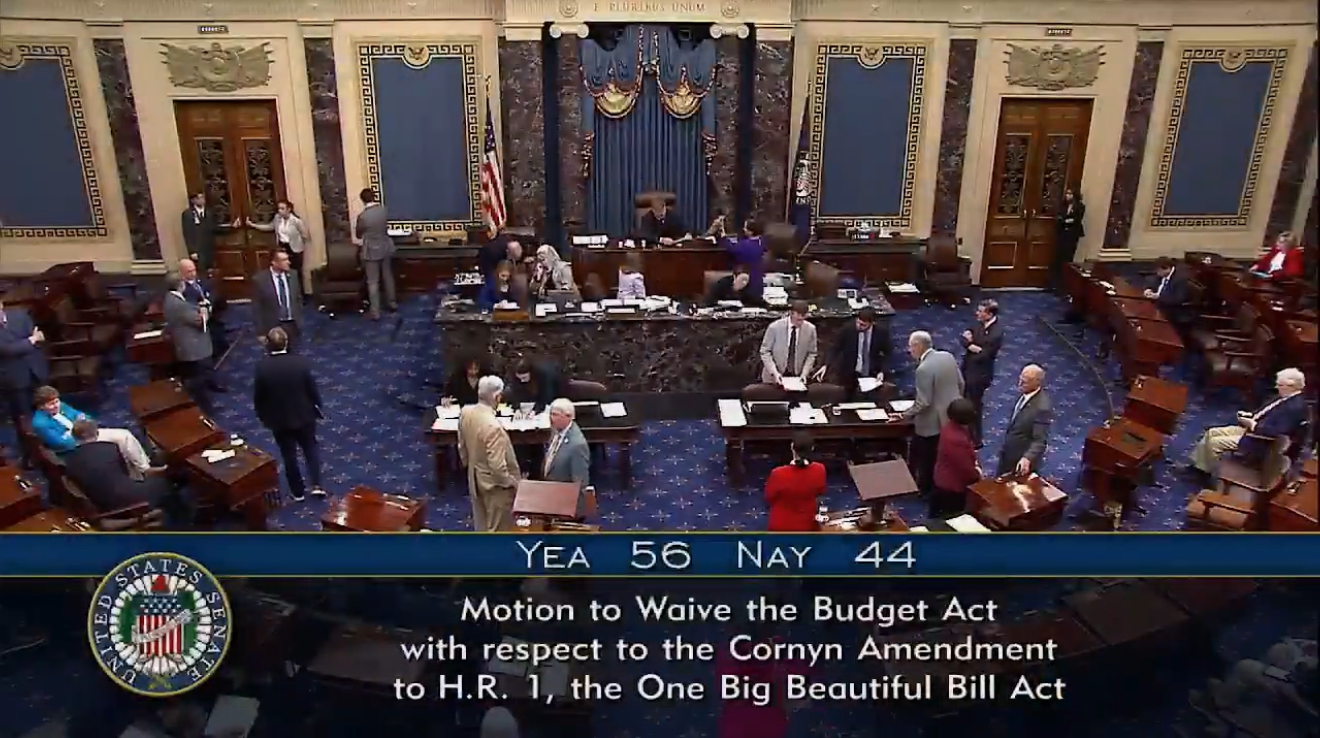
The Senate recently faced a major decision on the One Big Beautiful Bill (OBBB), which aimed to prevent illegal immigrants from fraudulently receiving Medicaid benefits. Despite the strong push from Republicans, the provision was not included, as the vote fell short at 56-44. Notably, Senator Susan Collins of Maine, often criticized as a RINO (Republican In Name Only), sided with Democrats in this decision, allowing illegal aliens to continue accessing these benefits.
The failure of this vote was a setback for many conservatives who hoped to see stricter controls on Medicaid eligibility. The Senate Parliamentarian played a crucial role in this outcome by applying the “Byrd Rule,” a decision that demanded a 60-vote threshold rather than a simple majority. This move effectively blocked the provision, despite its importance as a centerpiece of the bill.
Senator Thom Tillis, another Republican who has faced criticism, expressed his discontent with the bill on the Senate floor. Tillis, who has announced he won’t seek reelection, voiced concerns over the potential impact on Medicaid recipients, particularly illegal aliens, refugees, and asylum seekers. He emphasized that the bill, in its current form, would break promises made by Donald Trump to tackle waste and fraud.
The White House, however, remains steadfast in its support for the OBBB. Press Secretary Karoline Leavitt countered Tillis’s claims, asserting that the bill is designed to protect American citizens who genuinely need Medicaid assistance. Leavitt highlighted the bill’s aim to remove 1.4 million illegal immigrants from the program, thereby preserving resources for those truly in need.
Leavitt stressed the importance of this legislation in ensuring Medicaid benefits reach the most vulnerable Americans, including pregnant women, children, and the sick. She argued that the bill encourages able-bodied Americans to contribute by working at least 20 hours a week, thereby strengthening the system. This, in turn, would prevent waste and fraud while safeguarding benefits for deserving citizens.
The upcoming vote in the House on the final version of the bill will be pivotal. As it stands, the alterations made in the Senate have raised questions about how many Republicans will support the bill. The outcome remains uncertain, with some lawmakers potentially wavering in their support due to the changes.
The bill’s failure to pass the Senate in its original form has ignited discussions about the role of unelected officials, like the Senate Parliamentarian, in such critical decisions. Many conservatives see this as an overreach that undermines the democratic process. The disappointment is palpable among those who believe that these provisions were essential for curbing misuse of Medicaid resources.
While the debate continues, the White House maintains its commitment to passing this legislation. The administration argues that the bill aligns with conservative values by prioritizing American citizens and ensuring the integrity of welfare programs. The focus, they insist, should remain on eliminating fraud and abuse while protecting the needy.
As the House prepares for its vote, the Republican Party faces a critical juncture. The decision they make will reflect their commitment to the principles of limited government and fiscal responsibility. The pressure is on to deliver a bill that meets these objectives without compromising on the core values espoused by its supporters.
The journey of the OBBB from conception to legislative scrutiny has been fraught with challenges. Its provisions have sparked intense debate, showcasing the ideological divide within the government. Yet, for many conservatives, the fight to pass this bill is far from over.
The next steps for the OBBB will determine its fate and the future of Medicaid reform. With the House’s decision looming, stakeholders on all sides will be watching closely. The outcome could have lasting implications for the Republican agenda and the welfare system.
In the meantime, discussions around the bill continue to highlight the intricacies of policymaking. Balancing the needs of citizens with fiscal prudence remains a delicate task. The path forward will require careful negotiation and unwavering resolve.
Ultimately, the OBBB represents more than just a piece of legislation; it embodies a broader struggle over the direction of the nation’s policies. As the debate unfolds, its impact on American society will become increasingly evident. The stakes are high, and the journey is far from over.
