
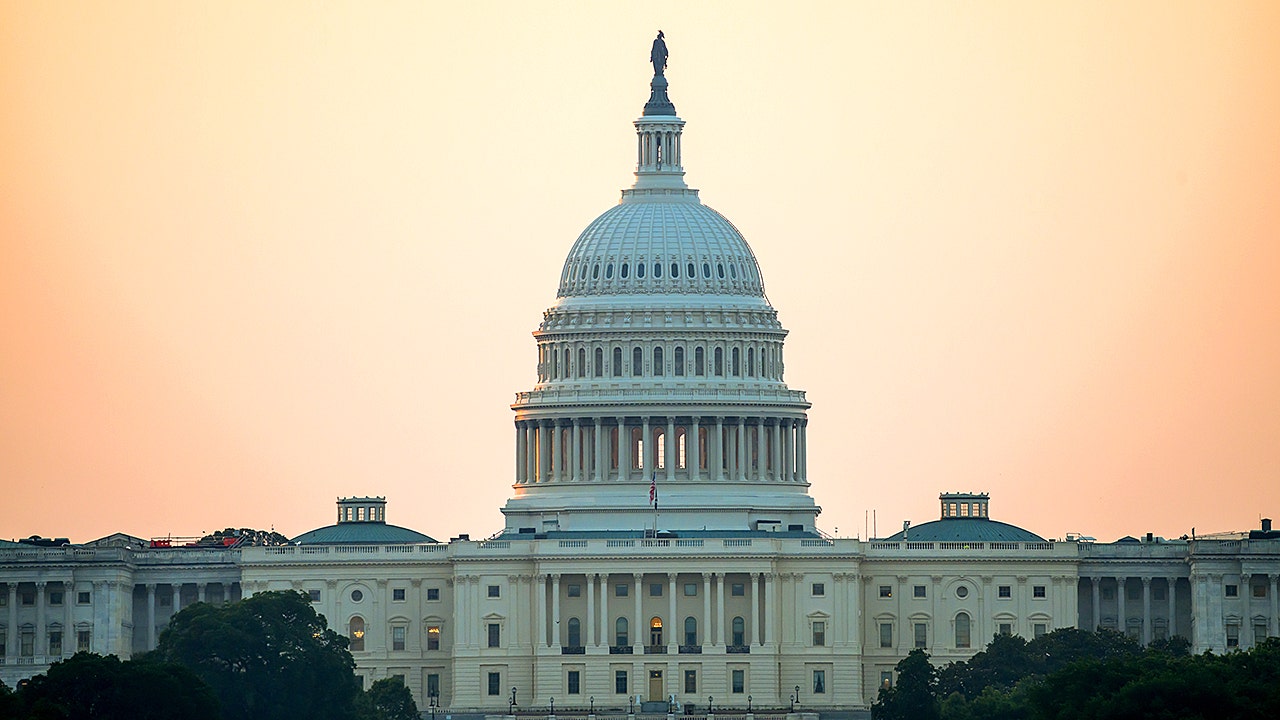
Here’s the real issue: the Senate is moving too slow, working too little, and leaving too many big fights unfinished. Americans show up, grind all week, and keep the country running, so lawmakers ought to act like the stakes matter. This piece pushes the idea that the chamber needs longer hours, more votes, and a lot less kicking the can down the road.
The frustration starts with the calendar. If the Senate has only been in session a small fraction of the year and is still dragging its feet on elections, spending, inflation, and government funding, that is a serious problem. The basic argument is simple: if the work is piling up, then the workweek should not be shrinking.
Election security sits at the center of the fight. The SAVE America Act is presented as a straightforward way to strengthen trust in the system by backing voter ID and making sure only Americans are registering to vote. Supporters say this is not some fringe idea, but a mainstream one that Republicans, Democrats, and independents can all understand.
Even with that support, the bill has stalled. That kind of gridlock is exactly what fuels the larger complaint that the Senate is more comfortable talking about problems than solving them. If something as basic as election security cannot get across the finish line, people have every right to ask what the chamber is doing with all its time.
The schedule itself gets blasted hard, and for good reason. Fewer than 10 votes a week is not exactly a pace that screams urgency, especially when senators are arriving Monday, leaving Thursday, and treating Friday like it is already the weekend. That kind of rhythm might work for a lazy office culture, but it does not fit a country facing real pressure.
There is also a bigger picture here than just one bill. The government still needs funding, inflation is still squeezing families, and spending keeps ballooning while interest rates and budgets take the hit. When lawmakers slow-walk the basics, the pain lands on regular Americans who do not have the luxury of stalling their own bills.
That is why the work ethic argument hits so hard. The people who make this country run show up every day, whether they are clocking in at a factory, running a small business, or trying to keep up with family life and rising costs. If they can carry that load, then senators can handle a few more nights in Washington.
There is nothing glamorous about staying put and doing the job, but that is kind of the point. Legislating is supposed to be work, not a commuter routine with a few meetings tossed in for show. When deadlines are close and major policies are still hanging, heading home early looks less like balance and more like surrender.
The deeper complaint is that this did not happen overnight. The Senate’s weaker pace has been building for years under both parties, which means the dysfunction is not just a one-off headache. It is a habit, and habits like that are hard to break unless someone finally decides the easy way is no longer acceptable.
For Florida, and for the rest of the country, the expectation is pretty plain. Elected officials are supposed to fight for the policies they promised, press forward when the process gets messy, and stay in the room until the job is done. That means more votes, more debate, and a lot less acting like Thursday afternoon is some sacred finish line.
The message is blunt for a reason. There is still time to move on election security, spending, and the rest of the unfinished agenda, but only if the Senate stops coasting. If the chamber is serious about doing what voters sent it there to do, it needs to stay in Washington and keep working until the decisions are made.
