
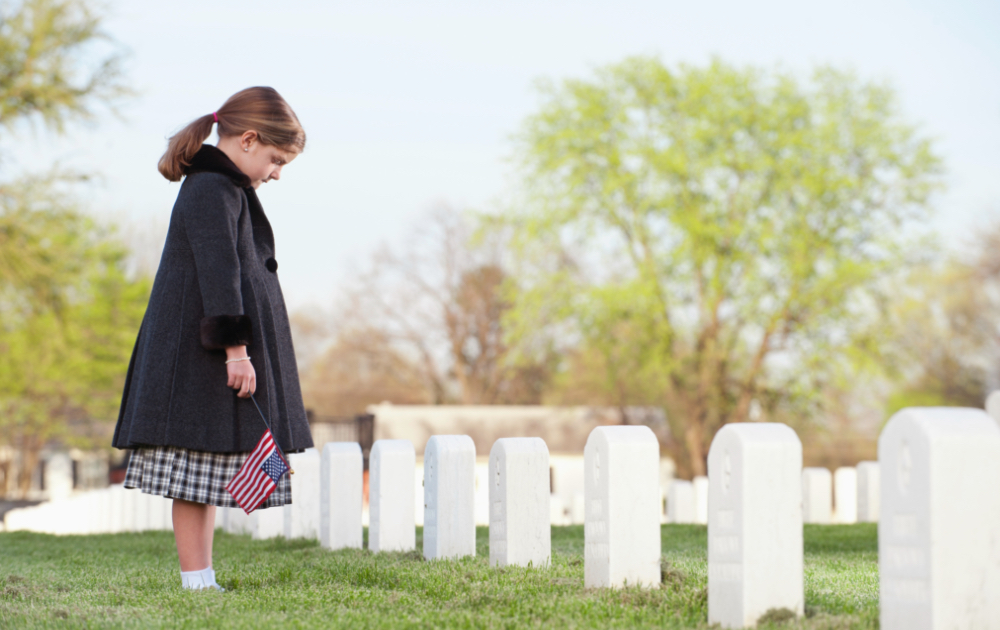
We take Memorial Day seriously: it is a day to remember the cost of our liberties, to honor those who gave everything for family and country, and to firm up our commitment to life, faith, family, and freedom. This piece reflects on sacrifice, encourages steady gratitude, and pushes a clear Republican view that defending liberty is a shared duty. Read on for a straightforward call to remember and act.
We begin with a truth that should sit with us all year long: ‘freedom isn’t free.’ Veterans and their families paid and continue to pay a price most of us never will, and that debt deserves more than words. On this day we stand at gravesides, in parades, and at quiet kitchen tables to name names and to refuse to let their stories fade. That remembrance is both reverence and responsibility.
Our priorities are simple and direct: protect life, uphold faith, strengthen family, and defend liberty. These are not abstract slogans but the anchors of a healthy republic, the things that hold a community together when pressure comes. Policies that weaken families, ignore the unborn, or chip away at religious freedom chip away at the soil veterans shed blood to keep fertile. Honoring sacrifice means defending the institutions that make sacrifice meaningful.
There is a practical side to gratitude. Support for veterans must be more than a two-minute salute once a year; it should be timely healthcare, proper benefits, and programs that help reintegrate warriors into civilian life. A true conservative approach is efficient, accountable help that restores dignity and allows veterans to build productive lives. Too often bureaucracy and waste drown out those who actually served; fixing that is a moral imperative.
Teaching the next generation matters. Kids should learn why flags fly and why names are carved in stone; they should be introduced to the discipline and service that built this nation. Civic education, family stories, and community rituals make patriotism personal rather than performative. When young people understand the stakes, they are likelier to defend hard-won liberties instead of taking them for granted.
We must also resist cultural currents that trivialize sacrifice or turn service into a publicity moment. Honoring veterans is not a hashtag or a sound bite; it’s consistent action and policy rooted in gratitude. Conservatism prizes continuity, duty, and self-reliance, and those principles guide how communities should care for the men and women who answered the call. That posture is both practical and profoundly human.
Faith communities play an outsized role on Memorial Day and every day after: they offer solace to grieving families, a framework for meaning, and practical help where government cannot or will not. Congregations can mentor, build networks of support, and keep alive the stories that schools sometimes forget. This is where private charity meets public gratitude, and it is a Republican conviction that civil society should lead where it can, without always waiting on Washington.
Finally, action beats sentiment. Show up to a ceremony, visit a cemetery, volunteer with a veteran charity, call a veteran to say thank you, and support leaders who prioritize service over spectacle. If we truly mean the words ‘freedom isn’t free,’ then we will live by them: defend liberty, strengthen families, honor life, and keep faith at the center of our communities. That is how Memorial Day becomes more than a holiday and instead becomes a steady practice of gratitude and duty.
