
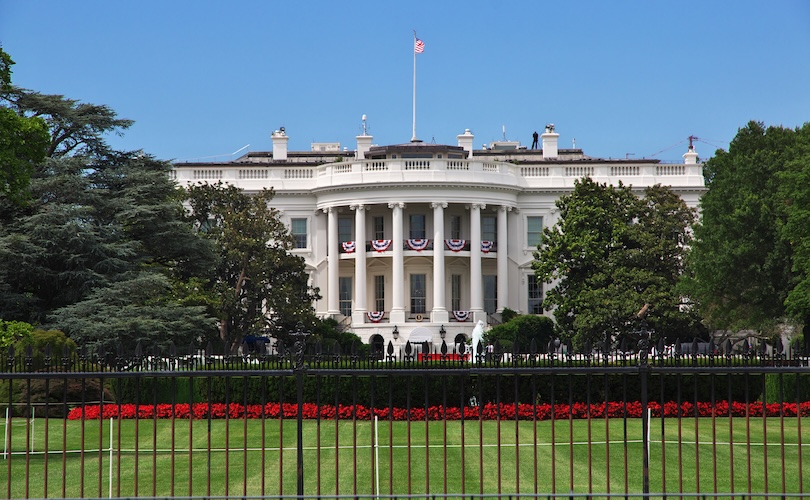
The latest report says a gunman opened fire near the White House, wounded one person, and was stopped by Secret Service agents who killed the shooter. This account centers on immediate response, public safety, and how well our federal protective services handled a violent breach so close to the seat of government. The piece examines the facts and what a responsible, security-first outlook should demand going forward.
Details remain few, but the core is simple: shots were fired near the White House, one person was hurt, and Secret Service officers engaged and neutralized the attacker. That quick outcome kept the damage from getting worse and prevented a wider tragedy on a high-risk day for our capital. When violence hits national ground, the speed and skill of our protectors matter more than partisan spin.
From a Republican perspective, the immediate priority is to back the agents who answer those calls. The message should be clear: support law enforcement, provide the tools and training they need, and stop policymakers from hamstringing them with shifting rules. The public expects and deserves a strong response when someone tries to bring chaos to the heart of the nation.
We also have to ask how the shooter got to that spot with a weapon in the first place. That is not a call for guesswork about motive, but for steady, practical questions about access, screening, and enforcement around critical locations. Responsible policy focuses on closing gaps, improving intelligence sharing, and making sure protective perimeters are airtight without theatrical headline chasing.
There is a policy side to the panic that can follow these events. Some will demand immediate, sweeping changes that rush legislation without careful thought. A better approach is targeted fixes that expand resources for counterterrorism, strengthen coordination between local and federal teams, and fund training that mirrors the threats agents face today. That kind of steady investment protects people without handing political points to anyone.
Accountability matters too. We should praise decisive action while still asking hard questions about preparedness and communication. Families deserve transparent accounts of what happened and why, and taxpayers deserve to know the cost and effectiveness of security measures. Honest reporting and open briefings reduce rumor and fear, and keep attention on practical fixes instead of noise.
The response should also include prevention: tightening vulnerabilities and reducing incentives for violence. That means enforcing existing laws consistently and using technology and intelligence to intercept threats before they materialize. It is not about broad political theater; it is about making sure those entrusted with our safety have what they need to do their job.
At the same time, we must resist reactions that sacrifice liberty for theater or that politicize the bravery of officers on the scene. Praise for the Secret Service must come with a commitment to equip them smartly and legally. The public’s trust is fragile; protecting it requires clear, constitutional steps that deliver results without unnecessary overreach.
In the days ahead, authorities will piece together motive, method, and timeline. The wounded person’s condition and the shooter’s identity should be handled through verified facts and official releases. Until then, the right posture is resolute support for agents, steady scrutiny of security gaps, and sensible policies that keep the capital and the country safer without turning every incident into a political spectacle.
