
Sean Duffy’s latest family story lands right in the middle of the culture fight over college, faith, and what parents owe their kids. It moves from a daughter’s dream school to a bigger clash over elite institutions, religious conviction, and whether fathers should still be allowed to steer the ship at home.
My wife and I have repeated the same line to our nine children for years: “My job is to get you into heaven, not Harvard.” This week, that simple idea somehow managed to set people off, which says plenty about the state of modern debates around parenting and success.
On Wednesday, Duffy launched “The Great America Road Trip” on YouTube, a series built around his family exploring the country together. The project is meant to do more than show pretty scenery. It pushes back against the growing sense that too many Americans are disconnected from their own families and from the country they live in.
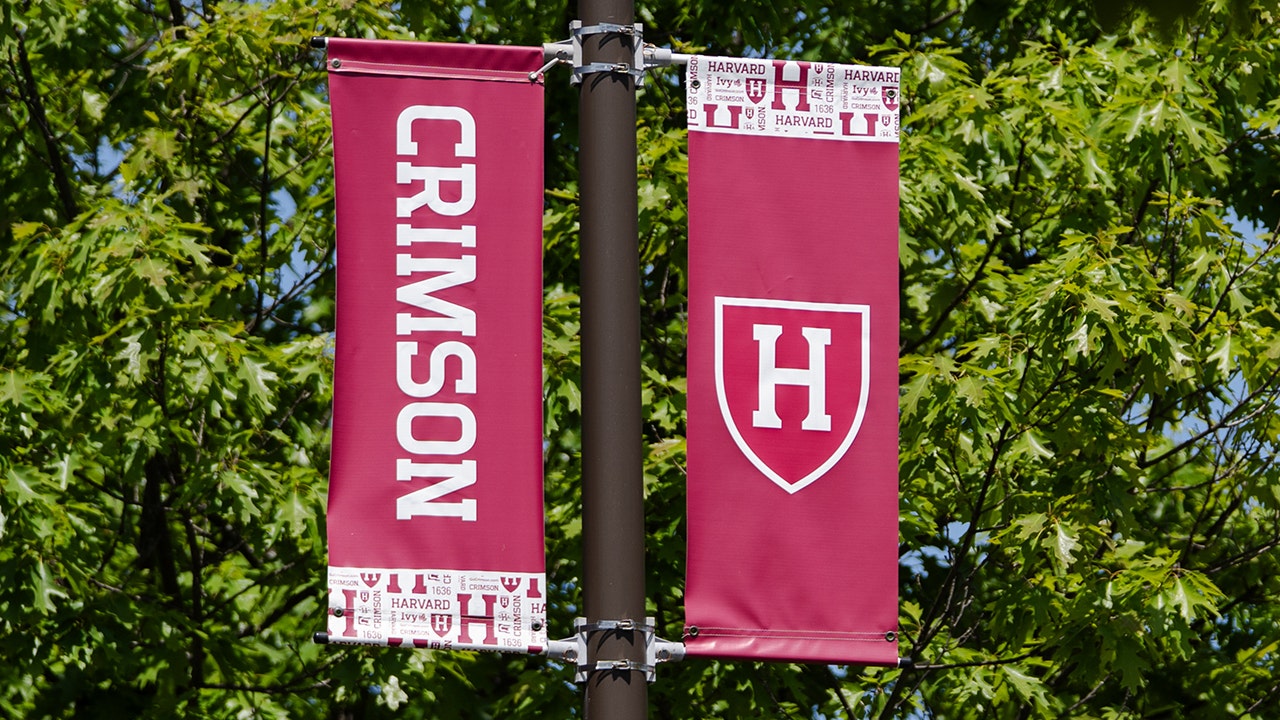
One stop in the series brought the family to a familiar milestone: college visits. They went to Boston College and Harvard University, with Harvard standing out as daughter Paloma’s top choice. Before the trip, the message at home was already clear.
Duffy told her that Harvard, like many elite schools, has drifted into a culture that is openly hostile to American values and Christian belief. He said there was no interest in paying for an education that might undo the moral foundation he and Rachel had spent 18 years trying to build.
The backlash came fast, especially online, where critics treated the comment like a scandal. But from a parent’s point of view, the reaction misses the point completely. Plenty of families have the same conversation around the kitchen table, even if they are not doing it for the cameras.
https://x.com/factpostnews/status/2090125498210816285?s=20
The concern is not about prestige for its own sake. It is about whether a school is helping shape a child into a stronger person or slowly sanding down everything that made that child solid in the first place. Duffy described those places as institutions that have gotten very good at pulling in good young women and twisting their thinking.
That skepticism did not come from nowhere. In 2020, the family’s oldest daughter, Evita, was canceled at the University of Chicago over her conservative views and even received a death threat. After that, Duffy and Rachel decided they would only pay for schools they could stand behind.
The list they came up with, influenced in part by a conversation with Victor Davis Hanson, left Harvard off the table. Free speech problems, weak ideological diversity, and the constant woke theater all made the school a poor fit in their eyes. The issue was never about snobbery. It was about whether the place would actually respect the values they were sending their children with.
Still, Paloma applied, and the family decided to see Harvard for themselves during a road trip. That visit changed the mood of the story in a more complicated way. At the school, they met , the undergraduate Catholic chaplain, and found a student Catholic community that was stronger than expected.
The most surprising part was how many students were being drawn into the faith. The Catholic center was not just keeping Catholic students rooted, it was also leading many non-Catholic students toward conversion, with nearly 80 reported last year alone. During the conversation, Father Sanders offered a line that stayed with Duffy: “If someone has a sense of themselves and a sense of God before coming, I think that will only flower.”
That perspective complicated the easy version of the Harvard story. Some young Christians can handle a place like that if they have a strong spiritual base and a real community behind them. Others are far more vulnerable to pressure, trend-chasing, and the kind of thinking that can crowd faith right out of the room.
For Duffy, that leaves a parent with a real responsibility, not a symbolic one. The job is to judge which child can thrive in a hostile environment and which one would be better served by a school that is more openly Christ-centered. That is not weakness or control. It is discernment.
He also argues that conservatives should stop acting like elite schools are lost forever. The answer, in his view, is to send more conservative students and professors into those spaces, challenge the ideological monopoly, and cut off the public money that props up schools pushing radical curricula. The Trump administration, he noted, has already started leaning on Harvard and similar institutions.
Paloma, he says, is smart, grounded, and strong in character. The family eventually decided to loosen its rule and let her attend if she is accepted, though the final choice remains tied to where she ends up. The real red line, though, stays fixed: there will be no apology for a father trying to guard his daughter’s soul.
That attitude may sound old-fashioned to modern ears, but it cuts against a culture that has spent years mocking fathers as clueless or unnecessary. Duffy sees that as part of the damage. The same system that shrugs at broken families also sneers when a dad takes his role seriously.
The road trip itself becomes the larger lesson. It gives parents and kids time to talk without the noise, to see the country with fresh eyes, and to pass along faith and identity in a way no lecture hall can easily erase.
