
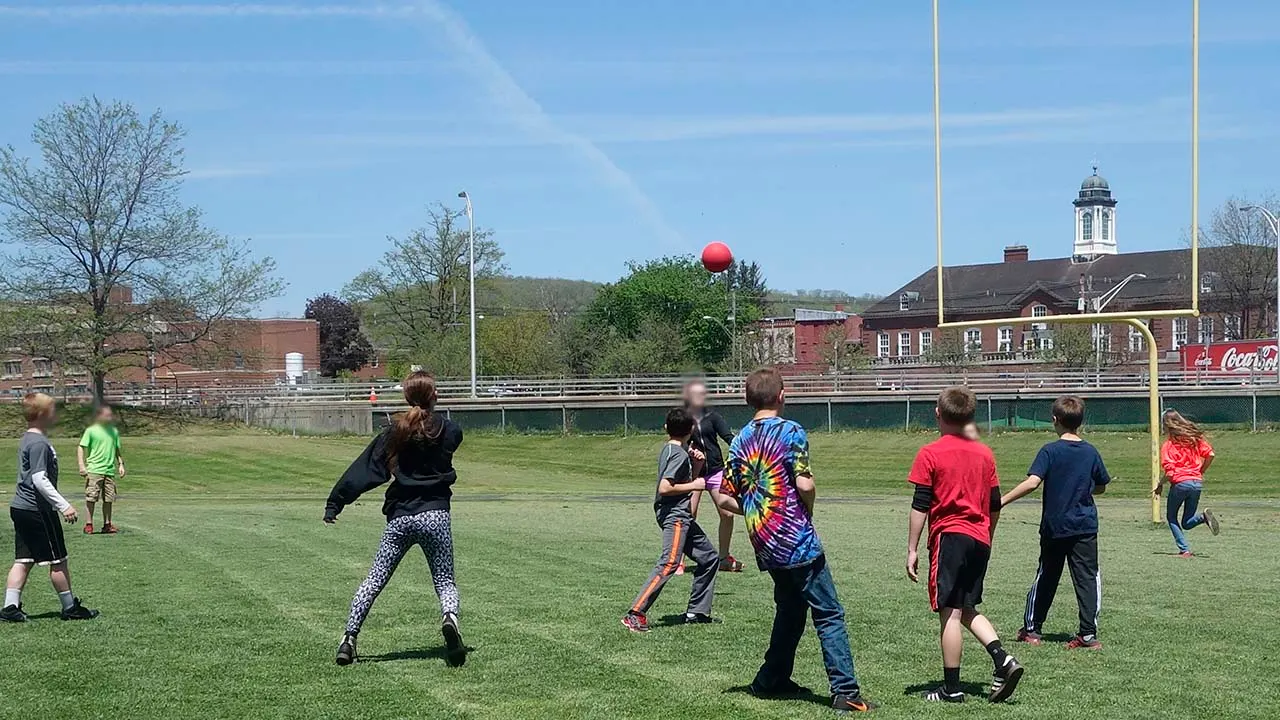
Childhood used to be noisy, messy, unfiltered, and gloriously offline. Before every moment became a post, kids had room to get bored, wander, make mistakes, and figure things out with other people instead of a glowing rectangle.
That older kind of childhood still matters because it shaped more than habits. It helped build confidence, social skills, imagination, and the kind of memories that stick around because they were lived, not uploaded.
Anyone who grew up in the late 1990s or early 2000s remembers a world where technology was around, but not running the show. Family computers, game consoles, DVDs, and flip phones had their place, but they did not follow kids into every hour of the day.
Then came the shift. Screens stopped being tools and started becoming the backdrop for everything, and now even the most ordinary scenes from childhood are often filtered through a phone before anyone has time to enjoy them.
That change has real consequences, especially for younger children. Concerns about early and heavy screen use keep piling up, from attention issues to delays in language and memory development, and parents are now competing with devices that never get tired, never pause, and never hand the spotlight back.
Still, the biggest loss is not just academic. Childhood is also where kids learn how to be with other people, how to handle discomfort, and how to find out who they are without an audience staring back at them.
There was a time when boredom was the spark, not the problem. Kids rang doorbells, grabbed bikes, built forts, climbed trees, and stayed outside until the streetlights came on, which meant fun had to be invented instead of delivered on demand.
Those long, unscheduled hours did more than fill a day. They taught patience, creativity, and the ability to make something out of nothing, which is a pretty powerful skill in a world that now rushes to distract at the first hint of quiet.
Even the clumsy stuff mattered. Getting lost on the way to a concert, fumbling through bad directions, or laughing about a mistake years later gave memories their texture, and those stories were stronger because nobody stopped to optimize them in real time.
Today, the pressure to document everything can flatten the experience itself. Fireworks, concerts, family outings, and random little moments are often watched through screens, as if the point is no longer to live them but to prove they happened.
Social media adds another layer of stress by turning childhood into a performance. Awkward moments can live forever online, and self-worth can start to bend around likes, views, and follower counts instead of real friendships and real conversations.
That is a heavy burden for kids, especially when they are still figuring out how to talk to people, handle rejection, and stand on their own. When every moment is judged, compared, and archived, it becomes harder to just be a kid.
None of this means technology is the enemy. It helps families stay connected, makes daily life easier, and brings real convenience, but convenience should never crowd out the experiences that make childhood feel full and human.
The goal is simple: put screens back in their place. Family dinners without devices, car rides without notifications, and moments without constant recording can make a huge difference in how kids learn to pay attention and stay present.
Parents do not need perfection, just intention. Letting children experience boredom, build friendships face-to-face, and develop an identity away from digital approval gives them something far more valuable than nonstop content.
Kids deserve adventures that belong to them, not just footage of adventures. They deserve to be participants in their own lives, to climb the tree, chase the bike ride, laugh at the bad directions, and carry those memories long after the screen has gone dark.
