
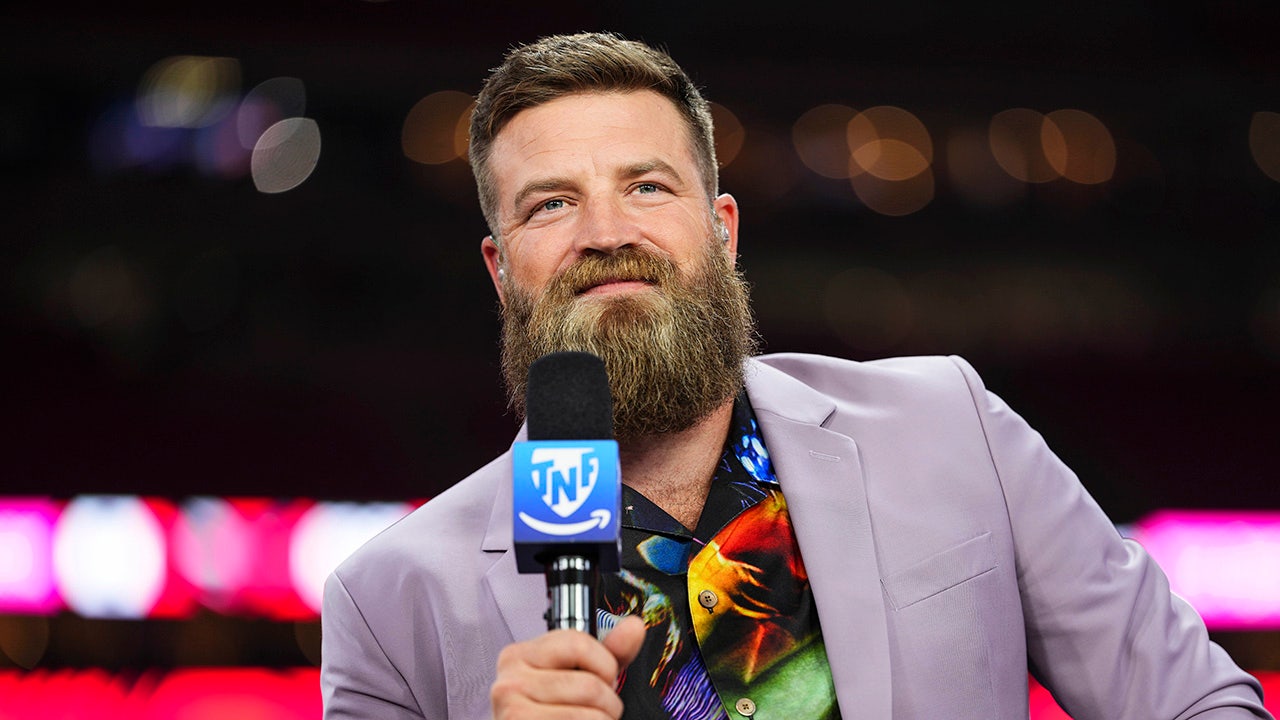
Ryan Fitzpatrick’s path through the NFL reads like a road trip full of late-night laughs, locker room wisdom, and friendships that outlast contracts. He turned being a journeyman into an advantage, collecting stories and relationships that now fuel his off-field passions, including a celebrity golf event that feels more reunion than fundraiser. This piece looks at how a career spent moving from team to team shaped his values, leadership style, and the genuine joy he brings to the golf course every summer.
Fitzpatrick never fit the one-team fantasy narrative, and he learned to make that reality work for him. Moving around meant adapting fast, learning new playbooks, and building rapport with people whose lives were often in motion. That constant change sharpened his social instincts and taught him how to be the kind of teammate others wanted around in tough moments.
What stands out is how relationships became the mortar in a career built on short stints and second chances. He walked into rooms where nobody knew his name and left with lifelong friends, mentors, and allies. Those connections turned into a network that now extends beyond football, drawing celebs, ex-players, and local communities into events that feel intimate, not transactional.
On the field Fitzpatrick was a teacher and entertainer who could snap a locker room out of a funk with a joke or a steadying word. Off the field he translated that same energy into hosting and organizing, where charisma meets purpose. His celebrity golf tournament is less about who’s famous and more about the kind of camaraderie you get when old teammates and new friends trade stories under a blue sky.
The tournament itself doubles as a reunion for a wide cast of characters who crossed paths with Fitzpatrick during his career. It’s a place where competition and conversation coexist, where former rivals swap game-day memories and young athletes soak up advice. The format is casual but the atmosphere is meaningful, because everyone there respects what it took to build those relationships in the first place.
For Fitzpatrick, golf became a natural extension of his personality, a sport that rewards patience, honesty, and the ability to laugh at bad shots. Those same traits helped him stay employable and likable in an industry that can be ruthless. Bringing people together on the course lets him showcase the softer side of pro sports, where humility and humor give a richer return than stats ever could.
He also uses the event as a platform to give back, connecting charitable causes with the people who show up to support them. The money raised is only one part of the impact because the event also channels attention and goodwill toward local organizations. Attendees tend to leave feeling they were part of something more than a social obligation, which says a lot about how Fitzpatrick crafts experiences.
Watching him work a room is instructive for anyone interested in leadership without the ego. He listens, asks questions, remembers names, and makes room for quieter voices. That approach turns fleeting interactions into durable bonds, and it explains why former teammates respond to his invitations with enthusiasm rather than etiquette.
In a career defined by movement, Fitzpatrick found constancy in the people who mattered. His journey shows that a player’s legacy can be measured by the relationships they nurture off the stat sheet. The celebrity golf tournament is the latest chapter in a story about connection, resilience, and the unexpected rewards of being a pro who never stopped making friends along the way.
