
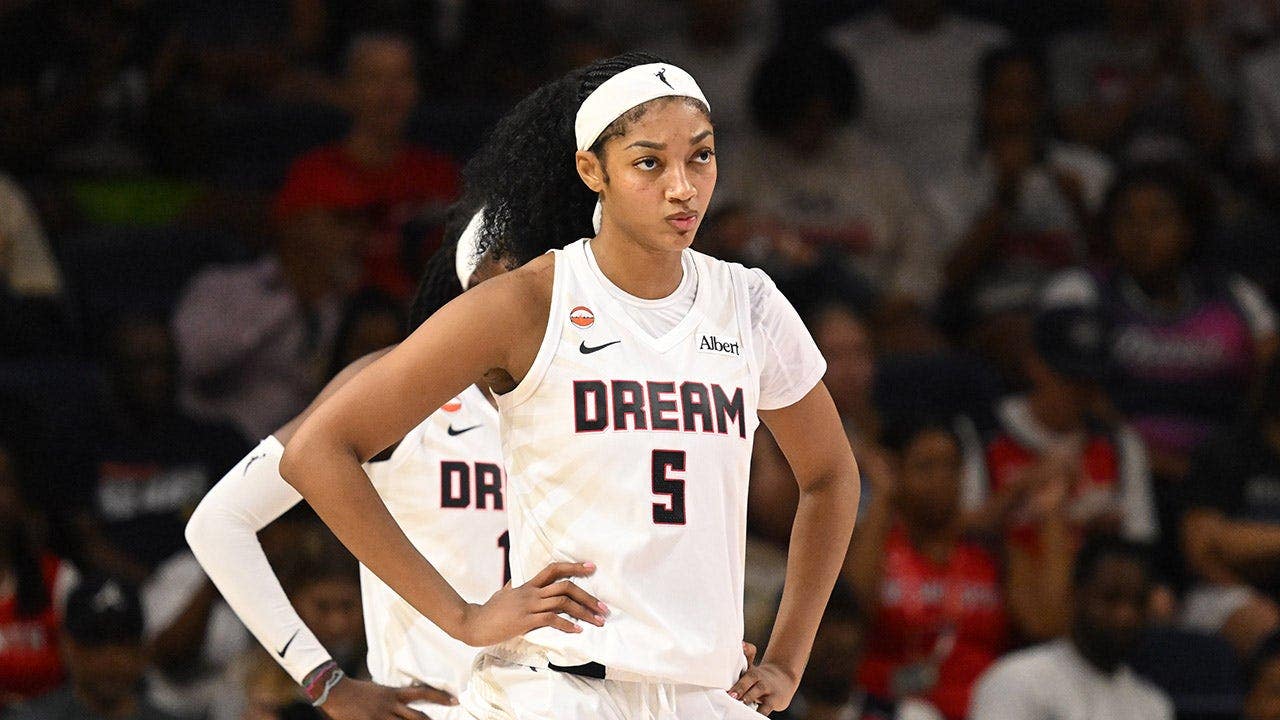
The Atlanta Dream have been cruising near the top of the Eastern Conference, yet the latest All-Star starter list skipped every Dream player, and that omission has stirred sharp reactions from players and fans. This article walks through what happened, why it matters for the team and the league, how the selection process works, and what could come next for Atlanta’s roster and morale.
The Dream’s win-loss numbers this season have made them one of the most consistent teams in the East, and their style of play has drawn attention from analysts and supporters. On-court chemistry and the emergence of several key contributors put Atlanta in a position to argue for recognition at the midseason showcase. When the starters were announced, the silence around Atlanta’s roster felt jarring to observers who had tracked the team’s climb all year.
Angel Reese called it a “slap in the face” that no Atlanta Dream player was named a WNBA All-Star starter despite the team’s best record in the East.
That remark landed with authority because Reese is one of the faces of the franchise, and her words reflect a broader unease. Players react publicly when something about recognition or fairness feels off, and this was a clear moment of raw emotion from someone inside the locker room. The quote captures the frustration without needing extra drama; it was short, direct, and widely circulated among fans.
Selection to the All-Star game mixes fan voting, media input, and coach decisions, and that hybrid system can produce outcomes that seem out of step with the standings. Voters weigh narratives and visibility as much as box scores, so teams that generate buzz or have household names sometimes get the nod even if their record is weaker. That mismatch between recognition and results is part of the debate about how best to honor performance while keeping the event engaging for viewers.
Statistically, several Dream players have compelling cases for recognition based on advanced metrics and situational impact. The team’s defense and balanced scoring have lifted their overall efficiency, and individual matchups have showcased players who can tilt games in Atlanta’s favor. Yet, stats alone do not guarantee a starting spot if other elements like national exposure or historical reputation push voting in different directions.
Coaching voices around the league typically emphasize continuity and effort when responding to snubs, and that tone seems to be holding in Atlanta as well. A public protest or protest vote rarely alters the midsummer roster, but it can shape narratives that carry into the second half of the season. The practical concern for the Dream is keeping attention on the road ahead and using the perceived slight as fuel, not distraction.
Fans have been active across social channels, arguing for their favorites and pointing to game film to make the case for Dream starters. Social debate influences media coverage, which can in turn influence future selections and award considerations. The energy that rises from supporters after moments like this can be constructive if it translates into increased attendance and stronger community ties around the team.
From a league perspective, these controversies prompt questions about transparency and the purpose of the All-Star process. Should it strictly reward the top performers based on objective measures, or should it also elevate personalities and marketable stars who draw viewers? There are trade offs either way, and league officials have to balance competitive merit with the spectacle that keeps the event commercially successful.
For Atlanta, the immediate imperative is straightforward: keep winning and let the standings do the talking. Midseason slights have a way of becoming motivational fodder, and teams that respond by improving their consistency often silence critics through results. The Dream’s next stretch of games will be watched closely, not just for wins but to see how the club channels this moment into sustained performance.
