
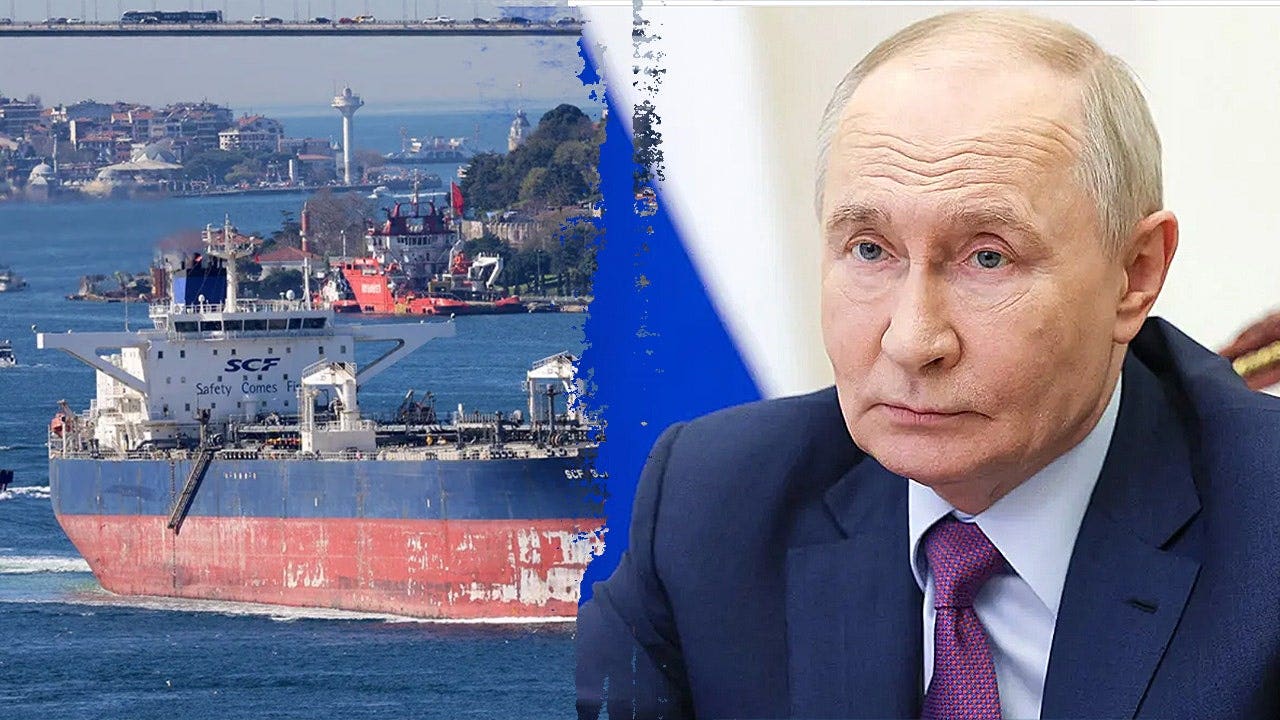
Congress is eyeing a new Russia sanctions package, but this one comes with a nasty catch: the pain would land on American families long before it changes Vladimir Putin’s mind. The bill is being sold as toughness, yet it reads more like a giant tariff trap that could make everyday goods pricier, strain trade relationships, and hand the federal government even more power to pick winners and losers. The core issue is simple, and it should not be ignored: the main topic here is front and center, and it is whether this plan helps Ukraine or just punishes Americans.
The proposal would hit U.S. trade with Russia with a crushing 500% tariff and then give the president broad authority to slap tariffs of up to 100% on goods from countries that keep buying Russian energy or help Moscow dodge sanctions. That list could sweep in major economies and key partners, including China, India, Japan, and several European countries. Once you start throwing around that kind of economic force, it stops looking like targeted punishment and starts looking like a wrecking ball.
Tariffs sound tough because politicians like to talk about them that way. But the money does not magically come out of some foreign villain’s pocket, it usually gets paid by U.S. importers, retailers, and ultimately consumers at the register. If a product is made overseas and taxed on the way in, the price hike shows up in your cart, your monthly budget, and your next trip to the store.
That is why this bill would hit the middle class so hard. Families already watching grocery bills, car repairs, rent, and school costs would be the ones left footing the bill for a Washington power play. A single mom buying diapers, a worker trying to replace a worn-out car part, or parents picking up shoes for the school year would not feel “strength” from this policy, only higher prices.
The scope of the tariffs is another problem. Countries like India and China are major trade partners, and U.S. trade with both is massive, which means any broad punishment would ripple through supply chains fast. If Congress starts trying to choke off trade with nations that are deeply tied to the American economy, it is not some neat foreign policy move, it is a self-inflicted wound.
There is also a serious risk of blowback from allies. The bill appears to treat parts of the European Union as if they could be singled out one by one, even though trade policy is handled through the bloc as a whole. That kind of approach could push Europe to respond together, and once that starts, American workers, exporters, and consumers are the ones who get squeezed.
Then there is the bigger question of whether sanctions like this even work anymore. Russia is already buried under thousands upon thousands of sanctions, yet its behavior has not suddenly bent to Western pressure in any meaningful way. More restrictions may make for a satisfying headline, but there is little evidence they will force peace in Ukraine.
The bill also hands enormous discretion to the executive branch, letting a president decide who is undermining Ukraine and who deserves punishment. That is a lot of power to hand over, especially when the definition of “undermining” could easily expand or change depending on who sits in the Oval Office. Congress should be wary of setting up a system that future presidents can use however they want.
And there is no guarantee Russia would even feel the kind of pressure the bill’s supporters promise. Moscow has already endured brutal losses, economic isolation, and years of sanctions, so another round of punishment may just harden its position while making the United States look reckless. Meanwhile, countries like India could drift closer to Russia or China if Washington starts swinging tariffs around without restraint.
That is the real danger here: not strength, but economic self-harm dressed up as resolve. If lawmakers want to support Ukraine, they should do it with policies that actually fit the moment instead of forcing American families to pay more for the illusion of toughness. Congress ought to stop and think before turning a foreign policy fight into a tax hike on its own people.
