
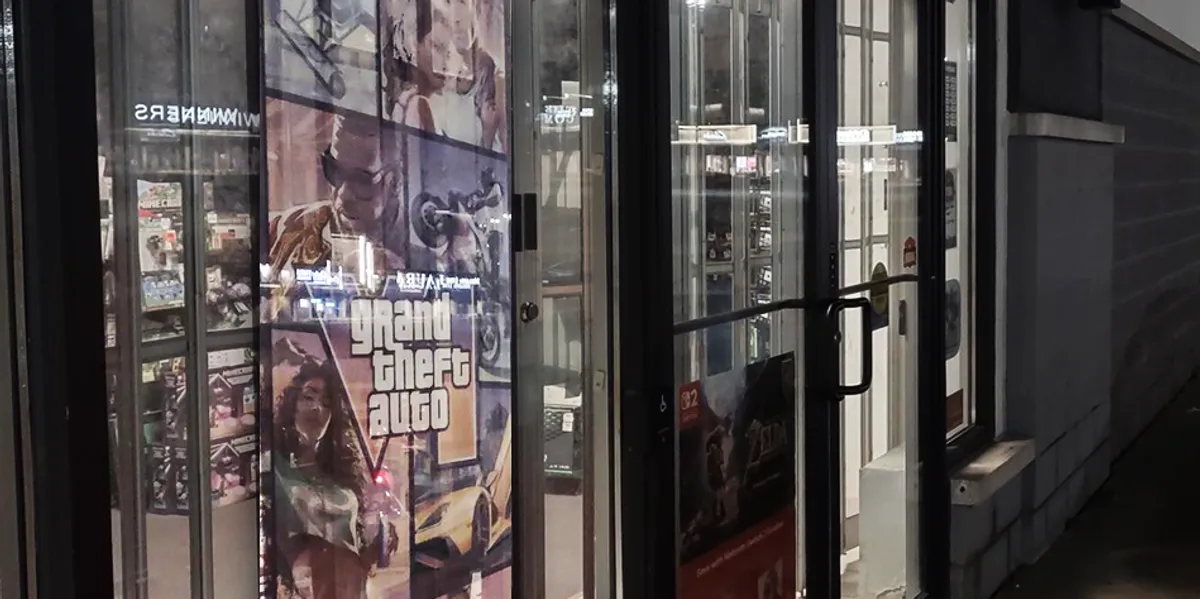
Grand Theft Auto VI is already making noise for more than just its launch. A reported $80 price tag is stirring up conversation, but the bigger shock for many fans is the idea that a so-called physical edition might not include a disc at all.
That kind of move lands hard because it cuts straight into the long-running debate over ownership, convenience, and what buyers actually get when they pay premium prices. For a franchise this massive, even small details turn into lightning rods, and this one is no exception.
The price point alone puts the game in a new bracket for mainstream releases. At $80, it pushes past the familiar standard that players have gotten used to, and that naturally raises eyebrows before anyone even starts thinking about packaging or extras.
What really fuels the frustration is the idea of a physical box without a disc inside it. A lot of players still see a disc as the whole point of buying a physical copy, not just a code card tucked into a case and passed off as the real thing.
That tension matters because physical media has always carried a different kind of value. It feels tangible, collectible, and straightforward, while digital purchases can feel more temporary, more locked down, and less like something a buyer truly owns.
For a game like GTA VI, expectations are even higher because the series has become a cultural event. Every detail gets picked apart, from pricing to release strategy to how much of the old-school retail experience is still left when the game finally reaches shelves.
Some buyers may not mind moving fully digital, especially if it means skipping the hassle of discs, downloads, and shelf space. Others see that shift as a slow erosion of the things that made buying games feel special in the first place.
The concern is not only about nostalgia, either. A disc has practical appeal for people who trade games, preserve collections, or simply want a backup that does not depend entirely on storefront policies and account access.
When a company uses the language of physical release but trims away the disc, the whole thing starts to feel a little off. It creates the sense that the label is doing more work than the product, and that is exactly the kind of move that gets fans talking fast.
In the end, the reaction says as much about the gaming market as it does about one release. Players are still willing to spend big on major titles, but they are also paying closer attention to what they are actually getting for the money.
