
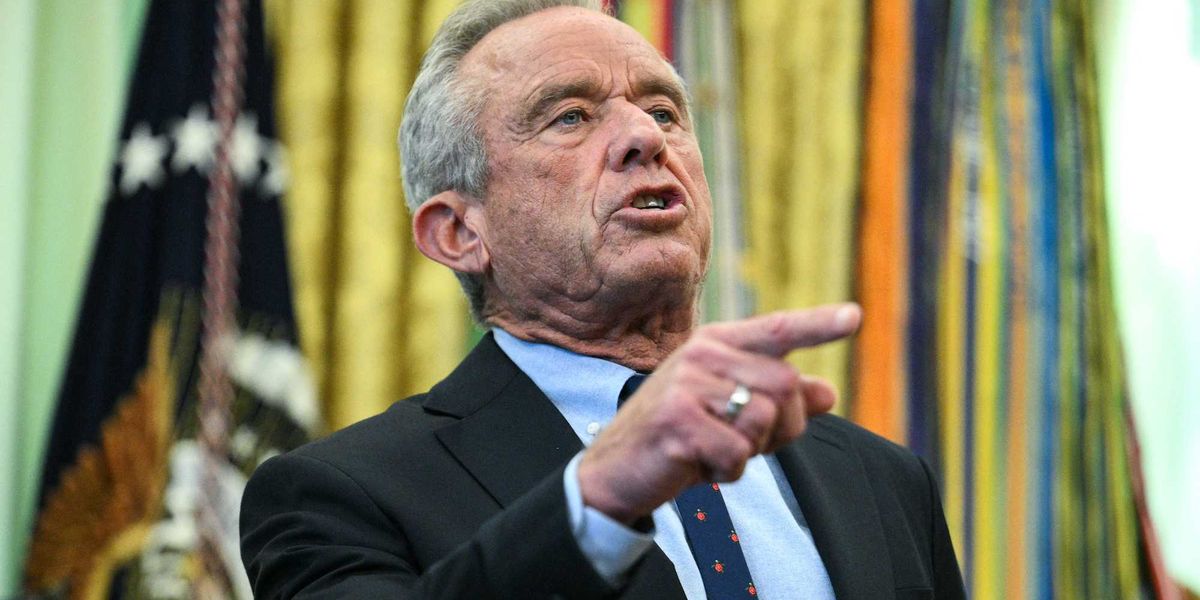
Medicare is once again under the microscope, and the spotlight is burning hot. Robert F. Kennedy Jr. is blasting what he describes as a massive scam that has drained billions from taxpayers, putting waste, fraud, and abuse squarely in the center of the fight over government health spending. The issue cuts deeper than a single program, because it speaks to a system that too often seems built to lose money before anyone even notices.
Kennedy framed the problem in blunt terms, arguing that the money vanishing from Medicare is not a small bookkeeping error but a giant leak in the roof. That language matters because Medicare is one of the biggest and most important federal programs, and every dollar lost there is a dollar that never reaches the seniors and patients who depend on it. When a system this large starts bleeding cash, the damage spreads fast and the public ends up footing the bill.
The allegations land at a time when Americans are already fed up with Washington’s habit of spending first and asking questions later. Billions in improper payments, phantom billing, and sketchy claims fuel the sense that government oversight has been asleep at the wheel. For taxpayers, the frustration is simple: hard-earned money disappears into a maze of paperwork, contractors, and bureaucratic blind spots while officials talk about reform like it is always just around the corner.
Kennedy’s message also fits neatly into the broader Make America Healthy Again push, which treats health policy as more than a question of access and coverage. It is about whether the system is serving patients or serving itself. If fraud and waste are baked into the structure, then reform is not optional, and the argument becomes less about tweaking benefits and more about ripping out the rot that keeps the costs climbing.
The scale of the problem is what makes the story so combustible. Medicare is supposed to be a safety net, not a jackpot for bad actors, and yet the size of the program makes it a tempting target for abuse. When oversight fails, scammers get bold, insiders get comfortable, and honest Americans are left wondering why basic accountability feels like a luxury item in Washington.
That is why the outrage keeps resonating. People can tolerate complexity, but they do not tolerate being played for fools, especially when the bill lands in their own pockets. If billions can vanish through schemes hidden in plain sight, then the real scandal is not just the theft itself, but the culture that let it happen for so long without a serious reckoning.
There is also a political edge to the fight, because every claim of fraud raises the question of who is actually prepared to clean it up. Voters have heard plenty of promises about tightening controls, modernizing systems, and protecting seniors, but promises do not stop scams. That is why Kennedy’s attack hits with such force, because it taps into a deep belief that the country is tired of being squeezed by programs that look sturdy on paper and rotten underneath.
As the debate grows louder, the pressure builds for real transparency and tougher enforcement. Medicare is too important to be left vulnerable to creative crooks and lazy oversight, and taxpayers are done pretending the losses are just the cost of doing business. The real test now is whether anyone in power is willing to take the fraud problem seriously enough to stop the drain before it keeps widening.
