
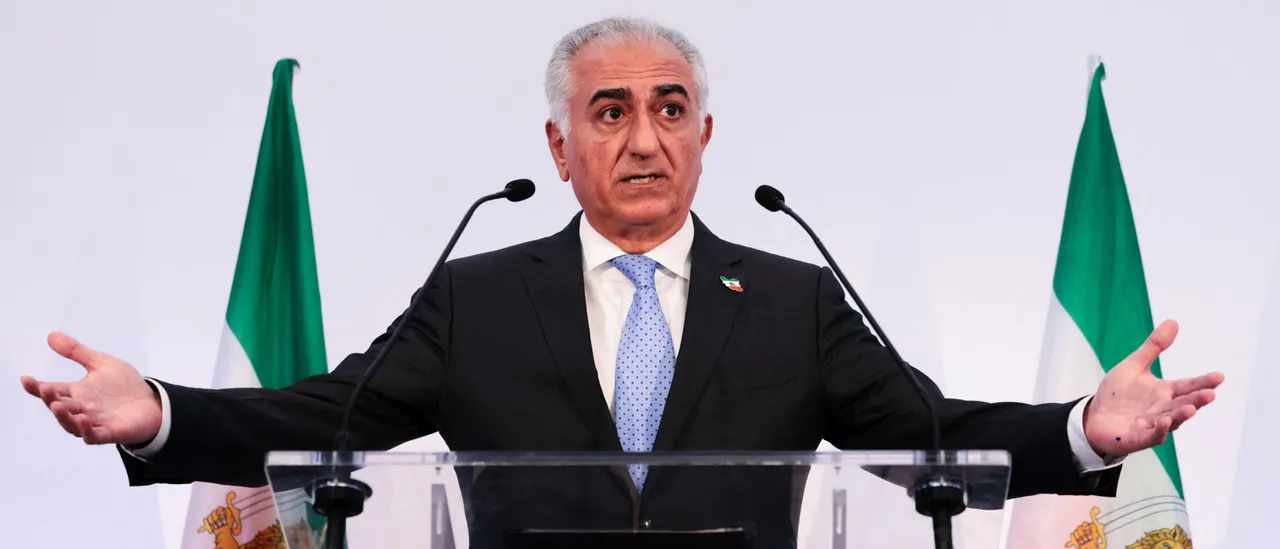
Reza Pahlavi, the exiled son of Iran’s last shah, hailed Ayatollah Ali Khamenei’s death as the opening of a long-awaited chance for Iranians to reclaim their country, while urging caution and readiness on the streets. He warned the regime’s attempts to replace Khamenei will fail, called on security forces to defect, and stressed that public vigilance is essential as the nation moves toward freedom. President Donald Trump also weighed in, calling Khamenei’s death justice for victims and praising the action that ended a brutal reign. The moment is being framed by some as both a celebration and a critical test for Iran’s future.
Reza Pahlavi described Khamenei in blunt terms and framed the ayatollah’s death as a turning point for Iran’s theocratic rule. He accused the regime of murdering thousands and said its hold on power is collapsing under the weight of its crimes. From his position in exile near Washington, Pahlavi pushed a message of urgency, arguing that the old guard’s legitimacy is gone and its days are numbered. His voice is aimed at Iranians who have been resisting the clerical regime for years.
“Ali Khamenei, the bloodthirsty despot of our time, the murderer of tens of thousands of Iran’s bravest sons and daughters, has been erased from the face of history,” Pahlavi, 65, wrote in a late Saturday to X. “With his death, the Islamic Republic has in effect reached its end and will very soon be consigned to the dustbin of history.” Those words were delivered with the kind of moral clarity his supporters expect, and they were meant to galvanize citizens and security personnel alike. The message mixes celebration with a clear call to action.
Pahlavi warned that any attempt by the remnants of the regime to appoint a successor will be futile and lack legitimacy, and he urged the security forces to abandon a collapsing system. He framed the choice for military and law enforcement as one between preserving a doomed regime or joining a national transition toward freedom. The emphasis was on a swift, orderly shift rather than chaotic revenge, appealing to those who want stability as well as liberty. He presented this as a last opportunity for insiders to side with the people.
Addressing Iranians directly, Pahlavi said the moment could mark the start of “our great national celebration,” but he cautioned that it would not be the end of hard work. He told citizens to remain vigilant and prepared, warning that victory will require a decisive and widespread presence in the streets. The tone balanced optimism with realism, urging unity and perseverance to secure a stable transition. That mix aims to prevent both complacency and premature triumphalism.
Earlier this year Pahlavi had urged large-scale protests to weaken the regime’s ability to suppress dissent and to amplify public pressure for change. He has consistently called for coordinated civic action that can topple theocracy without provoking uncontrolled chaos. Living in exile in the Washington area, he has leveraged international attention to keep Iran’s internal struggle in the global spotlight. His calls resonate with many Iranians who have risked everything to protest clerical rule.
On the international front, President Trump framed Khamenei’s death as a moral victory and justice for victims of the regime’s brutality. “Khamenei, one of the most evil people in History, is dead,” Trump wrote in a Truth Social post Saturday. He described the outcome as justice not only for Iran but for people around the world victimized by the ayatollah’s policies and proxy violence. That language taps into a broader Republican narrative that supports strong action against regimes that terrorize their own citizens and export chaos.
Now the crucial questions are practical: will Iran’s security apparatus fracture, will protest movements seize the moment, and can a post-theocratic path be built without spiraling instability? Pahlavi’s message aims to influence the first two, urging defections and a mass civic presence that can tilt events in favor of a free, prosperous Iran. Republican voices in the U.S. see this as vindication for decisive pressure on Tehran and a chance to back freedom fighters rather than appease clerical rulers. The coming days and weeks will test whether words translate into a sustainable political transition.
For Iranians watching from inside and abroad, the tone from leaders like Pahlavi and Trump is unmistakable: celebrate cautiously, stay ready, and push for a peaceful transfer of legitimacy. The emphasis on unity, security cooperation, and nationwide vigilance is meant to keep momentum on the side of change while avoiding a vacuum that could be exploited by hardliners. If the movement can hold together, this could be the opening of a new chapter for Iran, one shaped by citizens rather than clerics.
Whatever unfolds next, the narrative from opposition figures and sympathetic international actors is clear: Khamenei’s death exposes a regime on the ropes and presents a rare window for Iranians to press for lasting reform. The calls to action are immediate, and the stakes are high, with both celebration and caution threaded through every appeal. The final outcome will depend on whether protesters, security forces, and international backers can translate resolve into a stable, democratic future for Iran.
“This may be the beginning of our great national celebration, but it is not the end of the road,” Pahlavi concluded, addressing the Iranian people. “Remain vigilant and prepared. The time for a widespread and decisive presence in the streets is very near. Together, united and steadfast, we will bring about the final victory, and we will celebrate Iran’s freedom across our beloved homeland.”
“Those of you who were still hesitant, join your fellow countrymen on Friday night (19 Dey – 8 PM), and make the crowds even larger so that the regime’s ability to suppress becomes even weaker than it already is,” he in Persian in a Jan. 9 post to X.
