
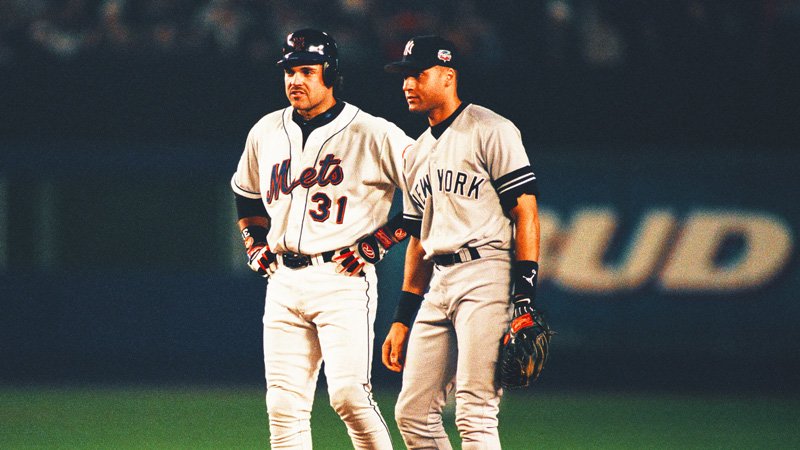
The 2000 Subway Series still hangs in baseball lore as a weekend when New York felt like center field for the whole sport. This article revisits the intensity, the star power, and the cultural buzz that turned that postseason meeting into a lasting memory. Expect a feel for the games themselves, key players, the fan atmosphere, and the way those few October nights threaded into the city’s sports identity.
Here’s a look-back at the 2000 Subway Series matchup between the New York Yankees and New York Mets, who square off this weekend. That sentence is the simple hook; what follows digs into how a city with fierce loyalties watched two dynasties collide in the glare of playoff lights. The matchup became more than a series because both teams carried narratives that grabbed national attention.
The pitching matchups were headline fodder, with a mix of veterans and fireballers bringing different styles to the mound. Every start felt like chess with fireworks, and managers juggled bullpens like they were guarding a fragile lead. In many games the back-and-forth on the scoreboard matched the tension you could hear from stands filled with fans wearing both pinstripes and blue-and-orange.
At the plate, clutch hits showed why certain names still get mentioned when fans trade postseason stories. Sluggers and contact hitters each had moments that swayed momentum, reminding viewers that baseball’s drama often hinges on a single swing. Those at-bat sequences, stretching into long pauses and sudden celebration, made several innings replay-worthy for years after.
Defense mattered just as much as offense in that series, where routine plays suddenly felt monumental. Outfield throws came home with timber and urgency, and infielders turned double plays that halted rallies. The tightness of the defense amplified every error and every successful tag, raising stakes for each subsequent pitch.
Managers were under microscope light, their decisions judged as if by both local columns and national pundits. Substitutions, pitching changes, and tactical signs were second-guessed in real time and replayed endlessly on sports shows. That scrutiny added pressure but also produced tactical moments that fans still argue about today.
For the city, the series had an electricity that spilled into bars, sidewalks, and subways where commuters traded play-by-play with strangers. Media tents and radio shows turned into front-row seats for an audience that stretched beyond the ballparks. New York’s shared attention felt like civic theater, proof that baseball can stitch neighborhoods together, if only temporarily.
Attendance and viewership spikes reflected more than curiosity; they showed how meaningful an intra-city playoff series can be for local identity. Tickets were scarce, and television ratings spiked as casual fans tuned in just to see which borough would claim bragging rights. Those spikes confirmed that not every postseason matchup carries the same cultural weight.
Individual performances from key players left statistical footprints that people still point to when comparing eras. Whether a player posted a clutch home run or a dominant start, those numbers entered the lexicon of franchise history. Fans and analysts alike pull those game logs out like evidence when debating which teams or players defined that moment.
Off-field stories added layers to the on-field action, from clubhouse dynamics to media narratives that fed fan imaginations. Personal rivalries, comeback arcs, and the relentless coverage of the New York press made the series feel episodic, like a serialized drama unfolding over multiple nights. Those human elements often made the games resonate beyond final scores.
The legacy of that Subway Series endures because it demonstrated how sports can amplify local loyalties into national attention. It was not just about who won or lost but about how a city responded, how players rose or stumbled, and how those nights fit into long-running franchise tales. Years later, the series still serves as a benchmark for intra-city postseason drama.
Looking back, the memories are a mix of specific plays, vivid images of packed stands, and the blur of emotional highs and lows that only playoff baseball produces. Fans who lived through it keep those scenes alive in stories told at tailgates and in barrooms, and newcomers discover the lore through highlights and retrospectives. That combination of lived experience and repeated replay keeps the 2000 Subway Series alive in collective memory.
