
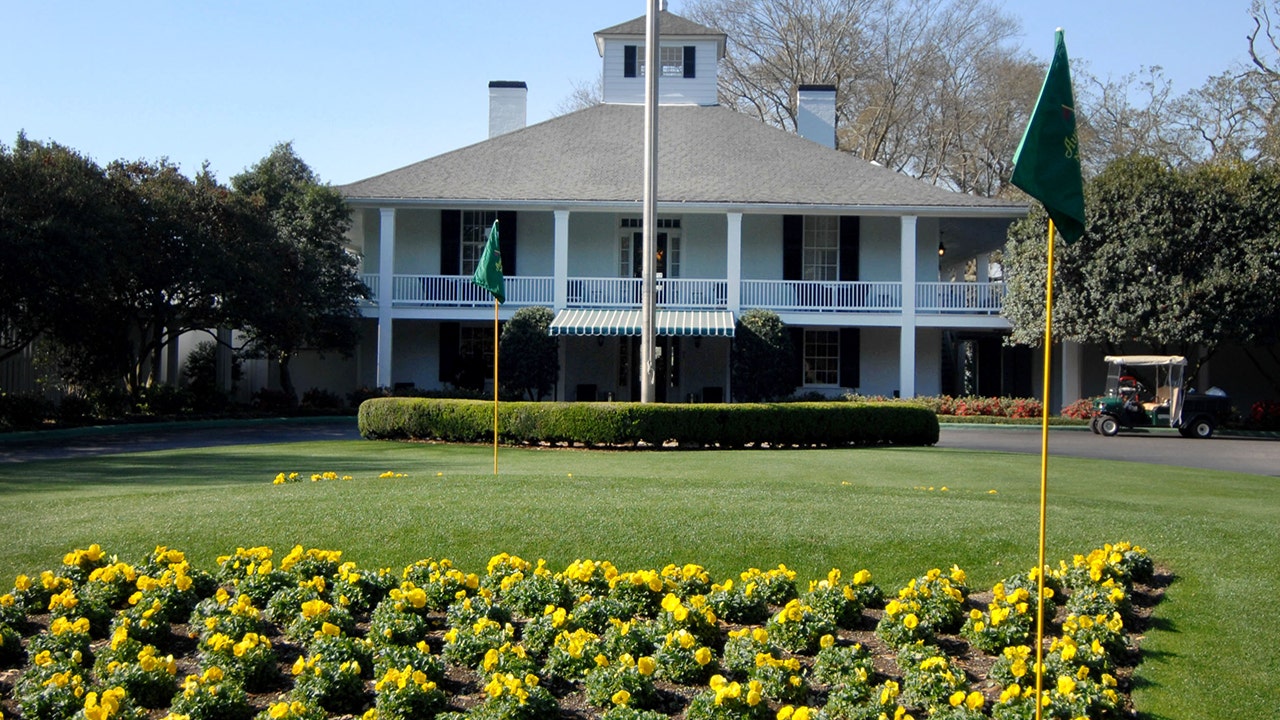
I walked Augusta National on Masters opening day and came away convinced this place is less about sport and more about a quiet, stubborn defense of family, tradition and community. The course feels like a blueprint for a healthier culture: people present with one another, values unforced but obvious, and a refusal to chase every passing craze. What I saw felt rare in 2026, and it left me thinking about how much of modern life could be better if it copied that model.
Stepping onto those manicured fairways, the first thing that hits you is the people, not the leaderboard. There were dads patiently explaining shots to kids, long-time friends trading memories, and older couples settled into a rhythm that looked like habit and contentment. Nobody was shouting for attention or turning everything into a staged moment for followers.
GARY WOODLAND SAVORS MASTERS RETURN AFTER BRAIN SURGERY, PTSD BATTLE NEARLY ENDED HIS CAREER sits in my mind alongside the scene: an example of grit, recovery and the kind of quiet heroism that doesn’t need a hashtag. The Masters showcases human stories without forcing them into spectacle. That restraint is itself a kind of high standard.
Our broader culture, by contrast, seems designed to spotlight the self at all costs. The pressure to brand yourself, to manufacture outrage, or to monetize every private moment leaves people hollow and distracted. Augusta’s rhythm—calm, respectful, communal—feels like a corrective to that noise, a reminder that shared experiences can be richer than curated ones.
MY WALK ACROSS AMERICA PROVES WE’RE NOT NEARLY AS DIVIDED AS DC CLAIMS rang true walking those paths, because the scene at Augusta doesn’t map onto the caricature of a split country. Families and strangers mingled without the scripted battles that dominate media feeds. It’s a small proof that people can gather around something steady and civil without tearing each other down.
The Masters isn’t flashy because it refuses to chase flash. It protects standards: dress, conduct, respect for the game, and for one another. That kind of conservation of culture is powerful, especially when the rest of the world treats everything as disposable and instantly replaceable.
AS MINNEAPOLIS FRACTURES, MOBILE SHOWS HOW WORK, LAW AND GOD STILL UNITE is an idea that seems mirrored on those fairways, where work, order and quiet faith in institutions show up without being shouted. People were there to watch golf, to be with family, to witness something larger than themselves. That combination of structure and human connection is rare enough to feel precious.
Augusta’s longevity tells you something important: when you build on values that matter, people keep coming back. The tournament doesn’t reinvent itself to chase relevance; it protects a setting where respect and tradition are not oddities but the baseline. That confidence to stand firm is exactly what attracts people who are tired of relentless churn.
MASTERS FANS CHEER LOW PRICES AS AUGUSTA NATIONAL CONCESSIONS ‘FEEL UNREAL’ WITH $1.50 SANDWICHES popped up as a small, telling detail that speaks to priorities. It’s a place that seems to value the experience over squeezing every last dollar out of it. That choice—keeping things simple and affordable—reinforces the overall message: community first, profit second.
Walking the course, I didn’t catch any performative moments designed for feeds or clips; I caught people living in the present. They applauded, whispered, pointed things out to each other, and then moved on like they’d done it a hundred times and planned to do it a hundred more. That continuity, that sense of passage between generations, felt like a civic good.
This isn’t a call to return to a mythical past without change, but a plea to protect spaces that encourage real relationships instead of curated personas. If more of our culture prioritized shared rituals and steady standards, we’d likely see fewer empty victories and more genuine connection. The Masters isn’t just a tournament; it’s a reminder that some kinds of endurance are worth preserving.
