
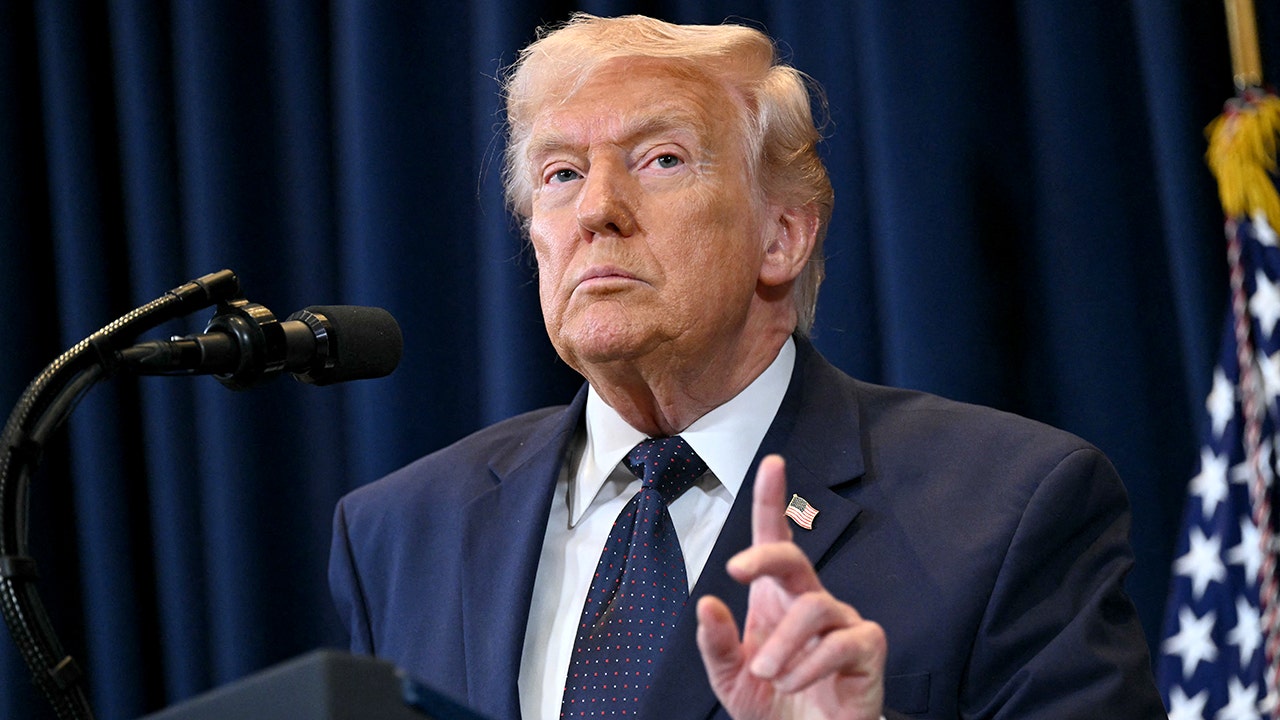
Republicans broadly back the strikes on Iran and the loudest anti-war voices do not reflect the base. Polls show strong support for the president and skepticism toward isolationist podcasters, while resignations and media alarmism create a noisy but narrow countercurrent. The debate is real but the political ground looks stable for now.
Mainstream coverage and the most extreme corners of social media have been treating the Iran campaign like a split within the MAGA coalition. That storyline doesn’t hold up when you look at multiple polls showing overwhelming Republican support for the strikes. What feels dramatic in headlines is often small-bore theatrics in the electorate.
Recent polling gave a stark contrast: Republicans overwhelmingly trust President Trump over a handful of prominent podcasters on the Iran question. The numbers are decisive, and they suggest GOP voters value leadership and clarity over viral uproar. In short, the noise machine does not equal a movement shift.
One survey focused directly on MAGA voters and found large majorities backing the action against Iran, with opposition barely registering. Those scant percentages of dissent matter in talk radio but not at the ballot box. Political energy inside the party still tracks toward unity behind the president’s decisions.
MIKE PENCE: TRUMP AND OUR INCREDIBLE MILITARY ARE ENDING 47 YEARS OF IRANIAN TERROR is the kind of headline that will get people riled up, but it also captures why many Republicans see this as justified. The argument is framed around accountability for long-term threats rather than a rush to perpetual occupation. That distinction matters to voters who remember past mistakes but want results.
The administration has sketched a compact set of objectives meant to keep the campaign measured and achievable. Officials repeatedly list four practical aims: deny Iran a nuclear capability, degrade long-range missile forces, dismantle key naval assets, and cut off funding for proxy terror groups. Those goals read like military housekeeping rather than open-ended nation-building.
Despite the repeated messaging, critics in the media and on isolationist podcasts call the operation aimless. Their charge is loud but not persuasive to the average Republican who sees clear objectives on paper and strength in execution. The louder the pundit chorus, the more voters tend to tune out and judge outcomes instead.
The resignation of one staffer who then toured anti-war shows made headlines, but it was a personnel splash more than a mass exodus. His subsequent appearances at niche conferences and podcast circuits underline how concentrated the dissent is within tight media ecosystems. Those platforms can amplify a view without creating broad political traction.
The anti-Israel, pro-isolationist strain inside the movement has been visible for years at certain events and online hangouts, yet it rarely translates into a majority view among rank-and-file MAGA voters. I’ve seen the same faces at the same conferences, and the crowd in actual battlegrounds rarely mirrors the chatter. Popularity online can be misleading when bot farms or click-chasing are in play.
Where are these supposedly furious conservatives in everyday life? They are not filling town halls or running rallies in notable numbers, and that tells you something important about political temperature. As Chuck D of Public Enemy put it, “Don’t believe the hype.” The immediate verdict from voters is backing the president and waiting to judge the results on the ground.
