
Republicans are headed into the midterms facing a rough stretch, but that does not automatically translate into a sweeping Democratic comeback. The numbers point to a shaky GOP, bruised by weak approval, turnout problems, and voter frustration, while Democrats are benefiting from the mood without necessarily earning a broad policy mandate.
The biggest mistake is calling the moment a blue wave as if it reflects a sudden embrace of Democratic ideas. What is really unfolding looks more like a Republican retreat, driven by anger over costs, unease about the direction of the country, and the drag of President Trump’s approval ratings. That difference matters, because a party can lose badly without the opposition suddenly becoming beloved.
The House appears likely to flip, and the Senate is in play in a way that once seemed far less believable. Competitive races in places like North Carolina, Michigan, and Maine have moved into dangerous territory for Republicans, while red-state warning signs are flashing in Kansas, Texas, and even Alaska. That is not a sign of a healthy governing coalition.
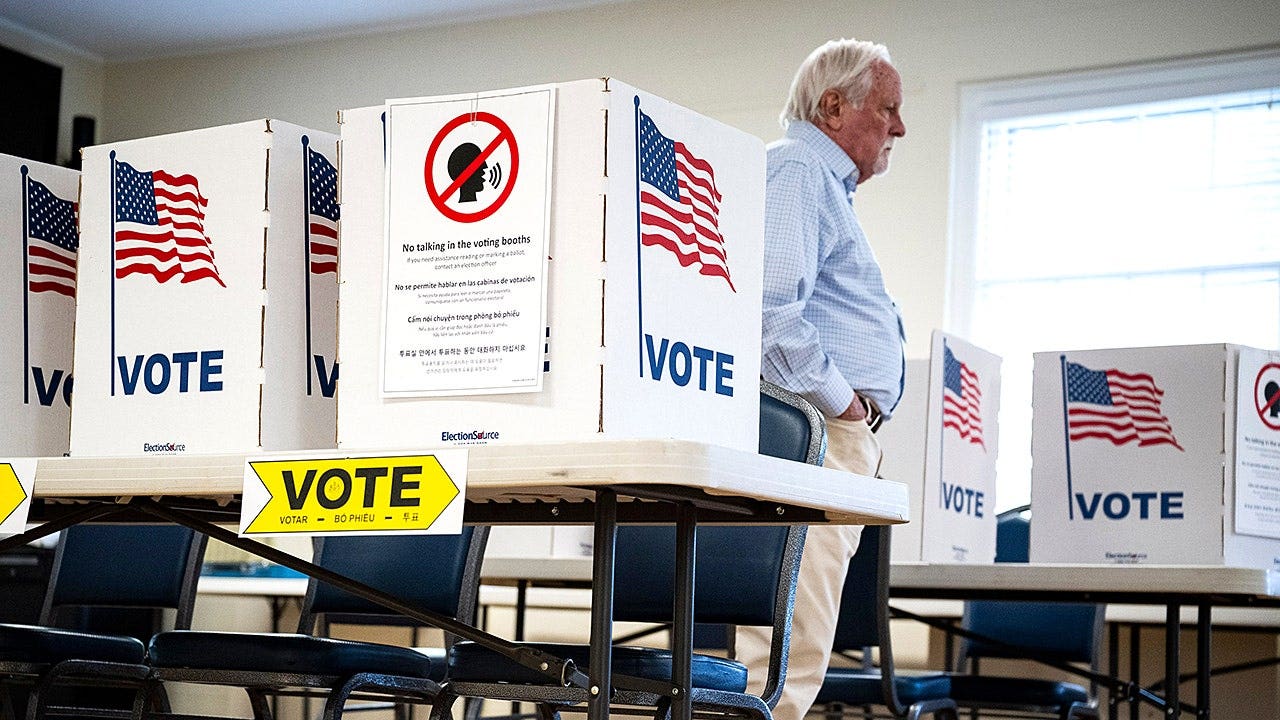
Early voting trends and enthusiasm numbers also favor Democrats, which gives them a real edge going into Election Day. In several states, Democratic turnout has climbed in primaries, and the gap in energy between the two parties has widened. When one side is more eager to vote and the other side looks tired and fragmented, the result can be brutal.
Still, the larger point is not that Democrats have suddenly become deeply popular. It is that Republicans have lost ground fast enough to make the map look much friendlier to the other side. That is a very different story from voters signing off on a sweeping Democratic agenda.
Trump’s approval sitting around 38% is a huge part of the political weather. So is the sour mood on the economy and the broad sense that the country is on the wrong track. When only about a third of the public says things are headed in the right direction, incumbent parties usually end up paying the price.
The down-ballot evidence tells a similar story. Democratic turnout has improved in a noticeable number of competitive primaries, and Texas has seen a dramatic shift compared with the last cycle. Republicans who once banked on dependable enthusiasm are discovering that apathy can be just as dangerous as opposition.
That said, Democrats should not get carried away with the idea that frustration equals endorsement. Voters angry about inflation, instability, or foreign policy are not automatically lining up behind a leftward project. They may simply be reaching for the other door because the first one feels stuck.
That is why any future Democratic majority would need to be careful. A narrow victory built on disgust with Republican leadership is not a free pass to sprint left on taxes, spending, culture fights, or the role of government. If the party reads backlash as a mandate, it could burn through its opening fast.
The public is not exactly signaling love for either party, either. Favorability for Democrats is barely above water, and both Trump and Republicans remain unpopular enough to keep the race messy. That kind of environment rewards restraint, competence, and a message that sounds like it belongs in the real world.
Even inside the Democratic coalition, there is tension over the direction of the party. Many Democrats and independents prefer a move toward the center, not a hard push to the left, which should be a loud warning sign for anyone dreaming of ideological victory laps. Winning an election does not erase the argument over what comes next.
If Democrats do gain control, they will be judged quickly on whether they can actually govern. Voters care about affordability, stability, and leaders who can lower the temperature instead of feeding the chaos. The party that reads the public mood correctly will have a better shot at holding power than the one that mistakes a Republican collapse for an ideological conversion.
