
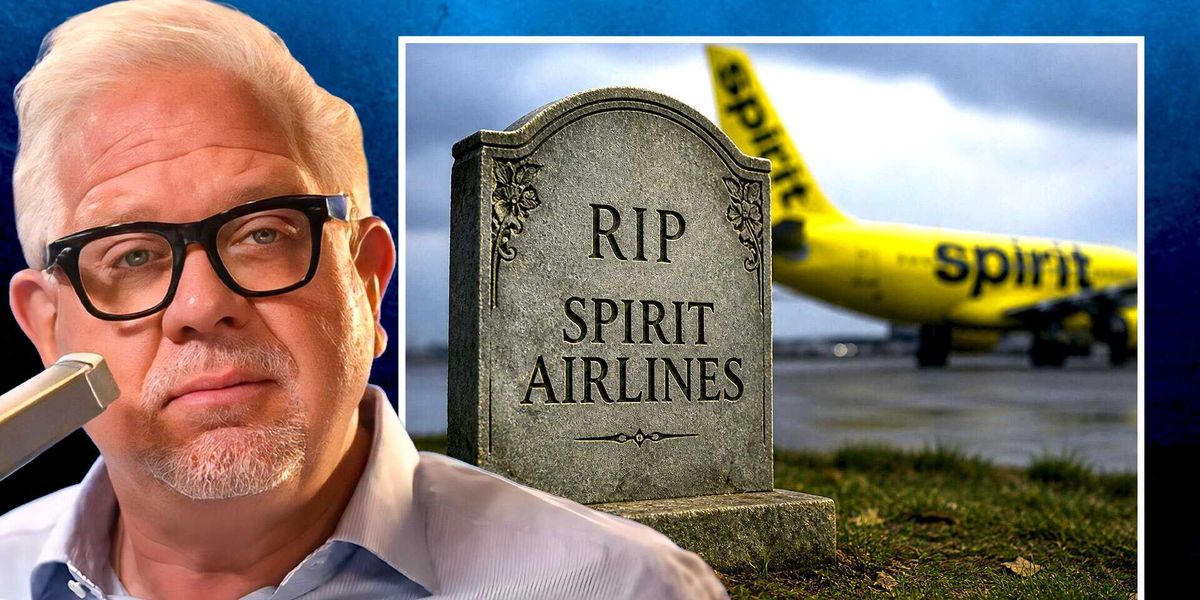
Regulators stepped in and stopped a merger that might have kept Spirit alive, and now conservative voices warn the fallout is real: gone are jobs, cheaper fares, and genuine market choice, while bigger carriers stand to benefit. Glenn Beck and Carol Roth point fingers at officials who celebrated a supposed victory without accounting for the real people harmed. The debate is less about corporate morality and more about who bears the economic cost when regulators block market fixes.
Progressives hailed the decision as a consumer victory, but critics see a different result. “Spirit Airlines is out, and Elizabeth Warren, when she announced this with Joe Biden — that they weren’t going to merge with JetBlue — she said that’s a ‘win’ for the Republic and win for Biden.” The real winners look like the established airlines, not travelers or laid-off workers.
“It’s not a win for anybody who had, you know, tickets on a cheap airline to go someplace — to go see Grandma, or go back to school, or whatever it was. That’s not a win for you today. All these people have lost their jobs. The airline is closed, and the only ones that will win are the bigger airlines,” Glenn tells financial expert Carol Roth.
Carol Roth doesn’t mince words about regulators who proclaim moral victories. “They are always wrong and never in doubt,” Roth agrees. That attitude, she says, masks how far removed many decision makers are from the real costs imposed on families and workers.
Roth worries that virtue signaling replaced sound economic judgment. “And this is a very dangerous combination, because, you know, you can have this moral preening, but it doesn’t replace economic reality. And they are so decoupled from the economic reality, either because they don’t understand or because they don’t care,” she says. When officials dismiss market responses, the fallout lands on ordinary people who relied on low-cost options.
Roth points to her own background to explain why this matters in practice. “I’m a recovering investment banker. We see this all the time. You have a company that needs a lifeline, and another company steps in and it’s letting the market sort it out,” she explains. That lifeline can preserve jobs, routes, and price competition that customers actually feel in their wallets.
She outlines how the regulators’ move cut off that path. “What they did is they took a struggling company and they said, ‘No, you cannot have that lifeline. Look, we did a good thing,’ and like you said, now we have less choice. Now we have people who are out of a job. Now we have, you know, less of an opportunity for this to work its way out in the markets and in the system,” she continues. Blocking consolidation in this case didn’t create competition; it removed an option that might have kept prices lower and employees working.
Roth sums up the human cost plainly and without jargon. “They’re not helping. And they’re making it harder for Americans to thrive, to be successful, and in some cases just to afford the cost of living,” she says. “And unfortunately, that’s where we’re at today.” The choice by regulators reads as protection for entrenched players, not a defense of everyday consumers.
This isn’t just an airline story; it’s a policy warning. When government leaders prioritize signaling over outcomes, the consequences ripple through communities, travel plans, and family budgets. For those worried about rising costs and shrinking options, the Spirit episode is a vivid reminder that good intentions don’t always equal good results.
Want more from Glenn Beck? Tune into his show on BlazeTV for conservative analysis and stories that focus on practical impacts, not political applause.
