
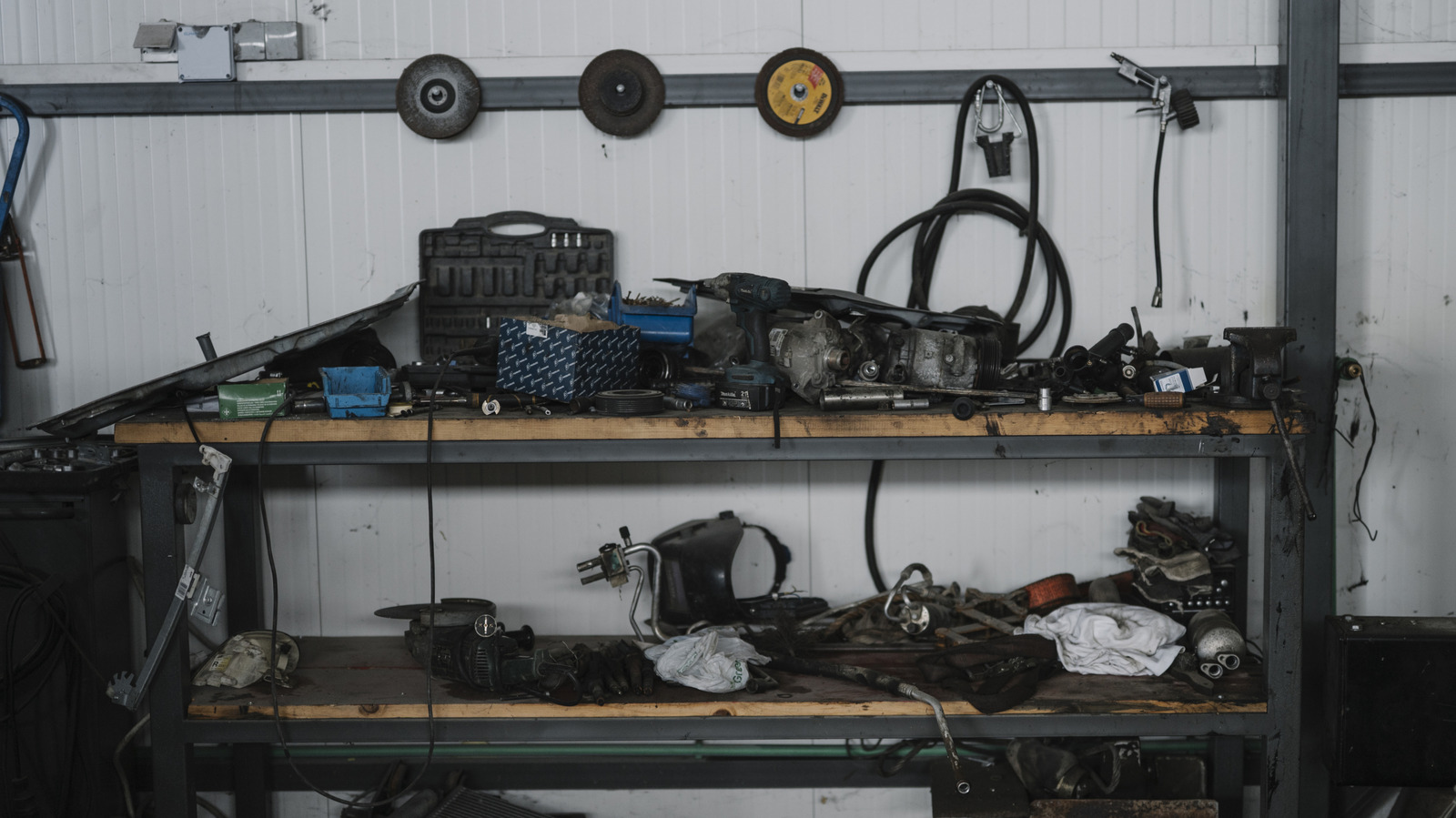
Spring cleaning your garage doesn’t have to be a dread mission stuck between oil stains and dusty shelves. This guide walks through a clear, practical approach to decluttering, deep cleaning concrete and surfaces, removing common stains, organizing tools and supplies, and keeping the space usable all year round.
Start by clearing the space and sorting everything into simple piles: keep, toss, donate, and relocate. Working in zones helps keep momentum and avoids turning a big job into total chaos. Use a timer and tackle one zone at a time so progress is visible and satisfying.
Once the floor is clear, attack dust and debris with a stiff broom and a shop vacuum to get into corners and crevices. High shelves and rafters often collect the worst dust, so bring a ladder and a microfiber duster or extension brush for those spots. Good ventilation while dusting prevents redistributing fine particles back onto freshly cleaned surfaces.
Oil and grease spots are the garage nemesis, but they respond to a few simple tricks. Start by sprinkling an absorbent like cat litter or baking soda, let it sit to pull up fresh spills, then sweep it away. For set-in stains, use a degreasing cleaner or a paste of powdered cleaner and water, scrub with a stiff brush, rinse, and repeat until the spot fades.
For paint drips, rust, and stubborn marks, choose the removal method to match the stain type and surface. Paint can often be softened with a commercial paint remover or a scrub with a solvent safe for concrete, while rust benefits from a commercial rust remover or a lemon juice and salt application. Test any product in a small inconspicuous area first to avoid surface damage.
Concrete benefits from periodic deep cleaning that can revive its appearance without harsh workarounds. Oxygen bleach or a concrete cleaner mixed per label directions will lift organic stains and discoloration; scrub with a push broom and rinse thoroughly. If you have a pressure washer, it speeds the job, but keep the pressure moderate to avoid pitting or chipping older concrete.
Organization turns a cleaned garage into a functional workspace rather than a tidy attic. Install sturdy shelving, pegboards, and labeled bins to keep tools visible and accessible. Group items logically by frequency of use and season so the daily stuff is within easy reach while bulky seasonal gear stays tucked away.
Safety is nonnegotiable when you’re handling chemicals, grime, and heavy lifting. Wear gloves, goggles, and a dust mask when scrubbing or sweeping and ensure good airflow when using cleaners. Keep a basic first aid kit handy and store hazardous materials like solvents and paints in clearly marked, sealed containers away from heat sources.
Small maintenance habits prevent the next mammoth cleanup session and save time over the year. Sweep high-traffic areas regularly, use absorbent mats under workbenches and vehicles, and address new stains promptly before they set. A quick seasonal check to purge expired chemicals and reorganize makes future spring cleanups far less painful and far more fast.
