
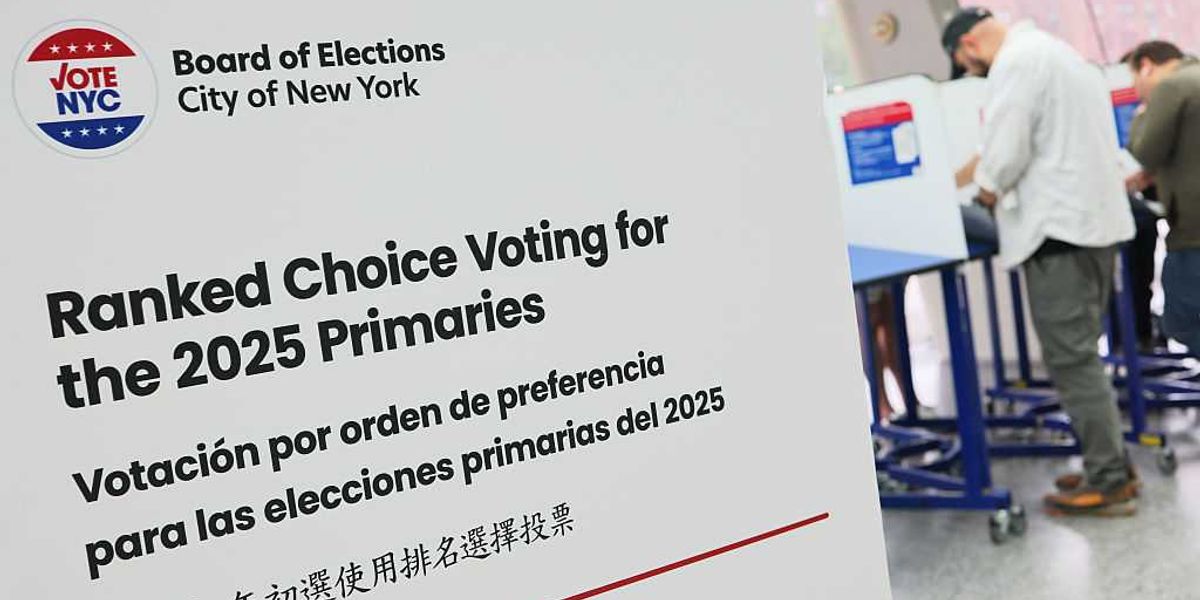
Ranked-choice voting is running into a wall this year, with statehouses, courts, and city councils pushing back hard while pilots and ballot drives stumble. The debate has shifted from theory to trouble, and the practical problems are piling up faster than fixes can be proposed. This piece follows where those failures happened and why they matter for voters and officials.
Ranked-choice voting lets people rank candidates instead of picking just one, then eliminates the lowest-ranked choices in rounds until someone wins. In theory it promises more nuanced voter expression and fewer spoiler effects, but in practice it adds layers to ballot counting and voter education. That complexity is exactly what critics say undermines confidence in results.
Two states moved this year to ban the method outright, arguing that elections should be simple and transparent. Ohio’s legislature passed a ban that cleared both chambers and reached the governor’s desk, and Indiana enacted a similar law soon after. Those moves reflect growing unease among elected officials that changing the mechanics of voting brings more risk than reward.
“It is important to ensure Indiana’s voting system is secure and accurate for Hoosier voters. Having to rank each candidate could end up being a vote against the voter’s intended candidate, creating confusion and frustration, which is why we need this law in place,” said state Sen. Blake Doriot (R), the bill’s sponsor.
A Utah pilot that once hosted more than 20 municipalities has closed without building momentum toward statewide adoption, and several local governments withdrew from the experiment early. In Michigan a high-profile ballot initiative fell far short of the signatures needed to qualify, leaving supporters regrouping and donors counting losses. Those setbacks show how difficult it is to convert academic theory into lasting policy across varied political environments.
Cities that tried to switch away from runoffs also ran into practical objections. Albuquerque’s city council rejected a proposal after concerns about the cost of system upgrades, staff training, and the scale of public outreach needed to make the change workable. Similar proposals in Vista, California, and Appleton, Wisconsin, also failed, underlining how local logistics can swamp abstract promises of savings or fairness.
The District of Columbia provides a cautionary tale about rushing implementation. Voters approved a change at the ballot box, but election officials have struggled to prepare for the new process and a recent survey found 43% of residents unaware that the system would be different. Emergency legislation to delay the rollout failed, leaving little time for training and public education before the first use of the system.
Maine’s highest court delivered another legal blow when it ruled an expansion of ranked-choice voting unconstitutional under the state constitution, which requires plurality outcomes for statewide races. That decision effectively limits the method’s application and signals how judicial review can halt reform even after legislative or popular support exists.
Supporters still tout ranked-choice voting as a path to fairer contests and better representation, but the reality on the ground this year has been a string of practical and political defeats. Policymakers are increasingly focused on whether the added complexity is worth the promised benefits, and many jurisdictions are concluding it is not.
As the calendar turns and more decisions land in courts and capitols, the experiment with ranked-choice voting looks less like an inevitable reform and more like a contested gamble. Lawmakers and election officials now face the choice of doubling down on education and system upgrades or stepping back in favor of clearer, more familiar ways to run elections.
