
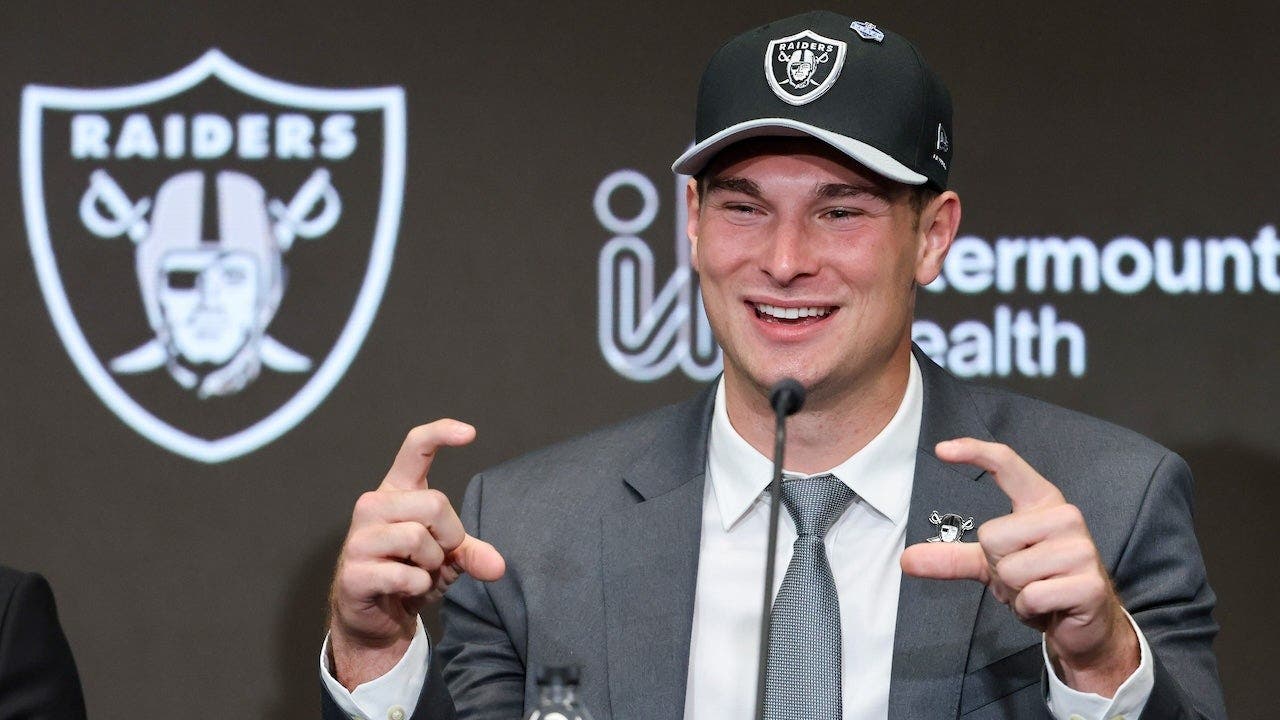
Fernando Mendoza, the Raiders rookie quarterback, is stepping into the spotlight not just as a football player but as a visible symbol for a growing Hispanic fan base. He has spoken about identity, responsibility, and being a role model, and his message has already become part of the Raiders’ narrative. This piece explores what his words mean for fans, the team, and a wider community that wants representation on and off the field.
At the core of Mendoza’s message is a clear statement of pride and intention. “Raiders quarterback Fernando Mendoza says he wants to carry the torch for the franchise’s Hispanic community as a proud Cuban American rookie.” Those exact words capture the seriousness with which he views his role beyond playbooks and practice fields.
Being a rookie magnifies both expectation and opportunity, and Mendoza knows that visibility matters. Young athletes and families watching from the stands or from home see more than a uniform; they see identity, culture, and possibility wrapped into a single figure under the stadium lights. That kind of recognition has the power to change how communities connect with a franchise.
Representation in sports is about more than headlines; it shapes daily life for fans who rarely saw themselves reflected in top-level roles. Mendoza’s presence gives coaches, front-office staff, and local leaders a fresh chance to engage communities that have often felt peripheral. When a player talks openly about heritage, it invites programs that support youth, language accessibility, and cultural nights at the stadium.
Locker-room dynamics also shift when a player embraces cultural leadership, and that can be an advantage for team chemistry. Teammates tend to respond to authenticity, and a player who stands for something larger than himself can become a unifying figure. That unity can matter in close games and grueling stretches of the season.
On the public-facing side, Mendoza’s message encourages bilingual outreach and broader media engagement. Spanish-language broadcasts, community clinics, and fan events can take on new energy when tied to a player who genuinely represents a culture. This kind of outreach is practical and symbolic, boosting both attendance and long-term loyalty among diverse fan bases.
There is a balancing act between personal identity and professional focus, and Mendoza will have to navigate it carefully. Carrying a cultural torch does not mean diverting attention from development, film study, or game prep; rather, it means integrating values and visibility into a demanding career. Success on the field will amplify his voice off it, creating a feedback loop that benefits fans and community projects alike.
From a franchise perspective, having a player step forward like Mendoza opens doors to new partnerships and civic relationships. Teams that cultivate authentic ties to community leaders, cultural organizations, and local businesses tend to build deeper roots in their cities. Those relationships endure beyond seasons and can shape a franchise’s identity for years.
Mendoza’s statement has already started conversations about heritage, role models, and what it takes to connect modern sports franchises with their multicultural markets. Whether he becomes an icon or a steady, dependable starter, the fact that he wants to serve as a representative matters to people who are finally seeing themselves in the spotlight. That recognition is often the first step toward lasting change within a fan base and the broader community.
