
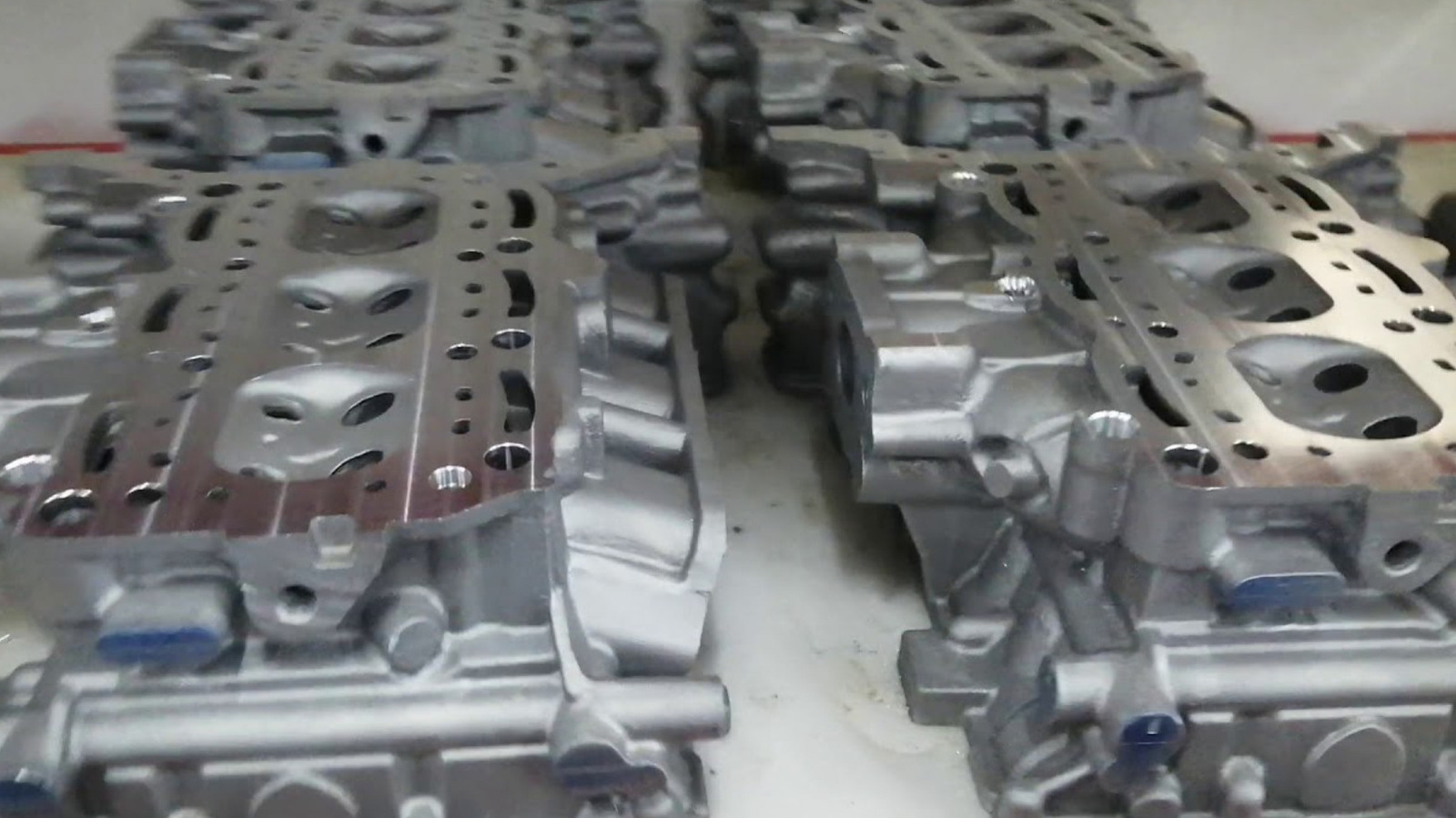
3D printing a car’s cylinder head raises a lot of smart questions about durability, heat management, and real-world reliability; this article walks through the engineering tradeoffs, material choices, testing data, and what owners should watch for if they consider a printed head for street or track use.
Modern additive manufacturing can produce complex geometries that machining struggles to match, and that capability is why people are excited about printing cylinder heads. The appeal is immediate: integrated coolant channels, lightweight designs, and rapid prototyping for performance tweaks. But excitement must meet reality when engines deal with combustion heat, pressure, and vibration day after day.
Material selection is the central technical hurdle for longevity in a printed head. Metal powders used in selective laser melting or electron beam melting can achieve strong microstructures, yet their fatigue behavior and thermal conductivity differ from traditional cast or forged alloy parts. Engineers must balance strength, thermal expansion, and corrosion resistance to avoid surprises under load.
The layered nature of most additive processes affects how a head handles repeated thermal cycles. Interfaces between printed layers can be sites for crack initiation if the process or post-processing is not dialed in. Proper heat treatment, hot isostatic pressing, and precise control of build parameters significantly improve cohesion and fatigue life.
Cooling is another critical factor that determines how long a printed head will last. Complex internal coolant passages are an advantage, but they must be designed to avoid hot spots and ensure uniform flow. If cooling is uneven, localized overheating will accelerate wear, warp valve seats, or invite pre-ignition problems that shorten the head’s service life.
Valve seats and guides demand special attention and often still require traditional inserts or secondary machining. Wear resistance in those contact areas is non-negotiable for durability, and many builders combine printed structures with hardened, machined inserts to get the best of both worlds. That hybrid approach helps maintain valve timing, compression, and sealing over many miles.
Testing under realistic conditions separates hopeful concepts from reliable parts. Lab tests can simulate thermal cycles and pressure, but real-world testing with full engine systems reveals interactions and maintenance needs. Successful examples exist, especially in motorsport and prototyping, yet widespread adoption on daily-driven cars remains limited because long-term field data is still catching up.
Quality control and certification are practical concerns that affect longevity in service. A printed head must come from a controlled process with traceable material batches, validated heat treatments, and dimensional inspection. Without those safeguards, an engine builder risks hidden defects that could lead to catastrophic failure at high RPMs or under sustained load.
For owners curious about printed cylinder heads, inspection and maintenance routines become more important, not less. Regular compression checks, coolant inspections, and attention to oil condition will spot early signs of trouble. If a printed head is on the car, plan for more frequent checks during the break-in phase and after any hard use to catch issues before they grow.
Looking ahead, improvements in powder metallurgy, process monitoring, and hybrid manufacturing will keep closing the gap between printed parts and conventionally made components. As data accumulates from road and track use, engineers will refine designs that maximize thermal control and fatigue life. The technology is promising, but cautious, methodical testing remains the only route to long-term confidence.
