
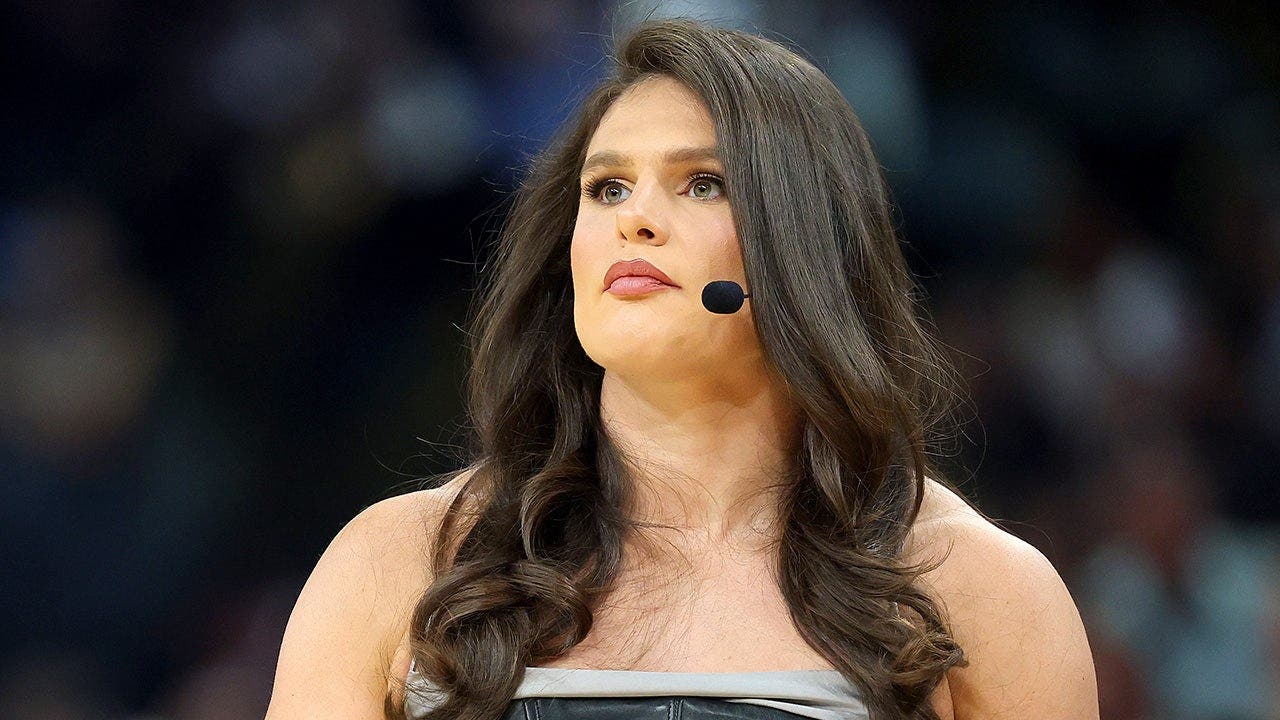
Team USA rugby player Ilona Maher publicly criticized Quinnipiac University after the school announced it would move its women’s rugby program from varsity to club status, posting “shame on you” on social media. The move has stirred emotion among current players, alumni, and supporters who see the decision as a major shift for a program that produced national-level talent. This article lays out the reaction, the likely impacts on athletes, and the broader questions families and fans are asking about priorities in college athletics.
Ilona Maher, known for representing the United States on the international stage, called out her alma mater with a short, sharp message that landed on social feeds and sparked discussion. Her statement, “shame on you”, was blunt and unmistakable, reflecting a personal sense of disappointment and loyalty to the program that helped shape her career. That reaction quickly became a focal point for others connected to the team to voice their concerns.
The university’s announcement to reclassify women’s rugby from a varsity sport to a club-level activity signals a significant change in how resources and recognition will be allocated. Varsity status typically brings scholarship opportunities, coaching budgets, travel support, and recruiting advantages that club status often lacks. For student-athletes, that shift can alter the day-to-day reality of training, competition, and academic-athletic balance.
Players still enrolled at Quinnipiac are now facing uncertainty about their athletic futures and academic plans tied to sport participation. Senior athletes may feel their final college seasons were diminished, while underclassmen must decide whether to continue in a reduced program, transfer, or leave the sport. That kind of choice can be emotionally charged and logistically complicated, especially when scholarships and playing time are at stake.
Alumni and supporters have been vocal, citing the program’s track record and its role in producing top-tier talent as reasons to preserve varsity status. College sports communities often argue that successful programs elevate the institution’s profile and create meaningful opportunities for students. When a program is downgraded, those downstream benefits can be harder to quantify and defend.
University officials typically point to budget pressures, participation numbers, or strategic priorities when explaining moves like this one. Those internal considerations can include facility costs, coaching salaries, and shifts in institutional focus toward other sports. While administrators weigh these factors, the athletes and coaches are left to adapt to quick changes in support and infrastructure.
The change will also affect recruiting, since prospective student-athletes often choose schools based on varsity-level competition and scholarship offerings. Moving to club status reduces the ability to promise a high-level competitive calendar and full-time coaching, which can push recruits elsewhere. Over time, that can change the competitive landscape for the program and the conference it once competed in.
Beyond logistics, there is the reputational aspect for the university and its athletic department when a program with a national profile is downgraded. Decisions like this can prompt external scrutiny from fans, donors, and regional sports communities who feel a sense of ownership over college teams. That scrutiny can translate into pressure on university leaders to re-evaluate or more clearly explain their rationale.
For student-athletes who move forward with the club program, the experience is rarely identical to varsity life but can still offer competitive play and community. Club sports often rely on student leadership, volunteer coaches, and fundraising to maintain schedules and travel. Some athletes find the club route a satisfying alternative, but the shift requires resilience and a new kind of commitment from players and supporters.
Coaches and staff affected by the reclassification face professional uncertainties that are rarely discussed publicly during such transitions. Coaching contracts, staffing levels, and career trajectories can all be altered when a program is no longer varsity. That toll on personnel is part of the human cost that accompanies budget-driven decisions in collegiate sports.
The broader debate here touches on how universities set athletic priorities and balance financial realities with commitments to student opportunities. Stakeholders often want transparency on how decisions are reached and what metrics universities use to measure a program’s value. In the absence of clear communication, reactions from alumni and high-profile athletes tend to fill the vacuum.
As the conversation continues, many will watch how the university engages with its alumni, current athletes, and donors to address fallout and provide pathways forward. Whether Quinnipiac adjusts its plan or proceeds as announced, the episode underscores the emotional and practical consequences when a beloved program changes status. For athletes like Ilona Maher, the public rebuke was a clear expression of loyalty and a focal point for a larger community response.
