
Chicago Public Schools has turned a routine calendar fight into a full-throated political campaign, letting teachers skip classes for May Day protests while student achievement lags. This piece walks through how the union’s priorities, alliances, and city accommodations put activism ahead of basics and why that matters to families and taxpayers.
Chicago’s teacher union pushed hard to clear a day for members to take part in International Workers Day protests, and public officials accommodated them. Union leaders framed this as a lesson in civic participation, insisting that “teaching our students what civic action looks like requires more than textbooks.” For many parents, paying for childcare or missing work to cover a politicized day off is not education, it is an added burden.
The union and allied groups engineered a “curriculum build” to put social justice themes into classrooms ahead of May Day, treating instruction like a platform. A bold notice in local reporting even flagged how the Chicago Teachers Union is budgeting millions for political activities. That money and attention flow into messaging and marches rather than into front-line teaching improvements.
Reading scores in Chicago are painfully low, with only about two in five students meeting grade-level expectations, and educational priorities appear mismatched. Instead of shoring up literacy and numeracy, school leaders and union activists prioritized protest time and political training. When outcomes decline, the answers cannot be more advocacy dressed up as instruction.
Unions have also become political machines funding candidates and shaping city leadership, and Chicago is a clear example of that power. Large sums from union coffers helped elect the mayor and underwrite campaign efforts, leaving families to wonder whose agenda the schools serve. When nearly all of a candidate’s backing comes from organized labor, the policies that follow tend to reflect organized labor’s priorities.
The CTU has a reputation for radicalism that goes beyond local politics, including public praise for regimes whose human-rights records draw intense criticism. Delegations and public statements from some union members raised eyebrows when they celebrated conditions under authoritarian governments with rhetoric like “we did not see a single homeless person!” Such declarations underline how far some activists are willing to go to validate ideological models.
Charges have even been filed against local teachers for violent protests, a sign of tensions that spill beyond classrooms and into city streets. In response to critics who urged teachers to work on May 1, school leaders announced classes would continue even if teachers were absent, and the district committed to providing buses for both students and any educators who wanted to attend. The city also stated there would be no repercussions for students or staff who missed school to participate.
This pattern is not unique to Chicago; other districts have excused absences for left-leaning causes in recent years, from calls for ceasefires abroad to climate demonstrations. What stands out is the selective support: there is little evidence of the same institutional flexibility for conservative or pro-life demonstrations, or for public events in support of Israel. The unequal treatment sends a clear message about which political activities receive official encouragement.
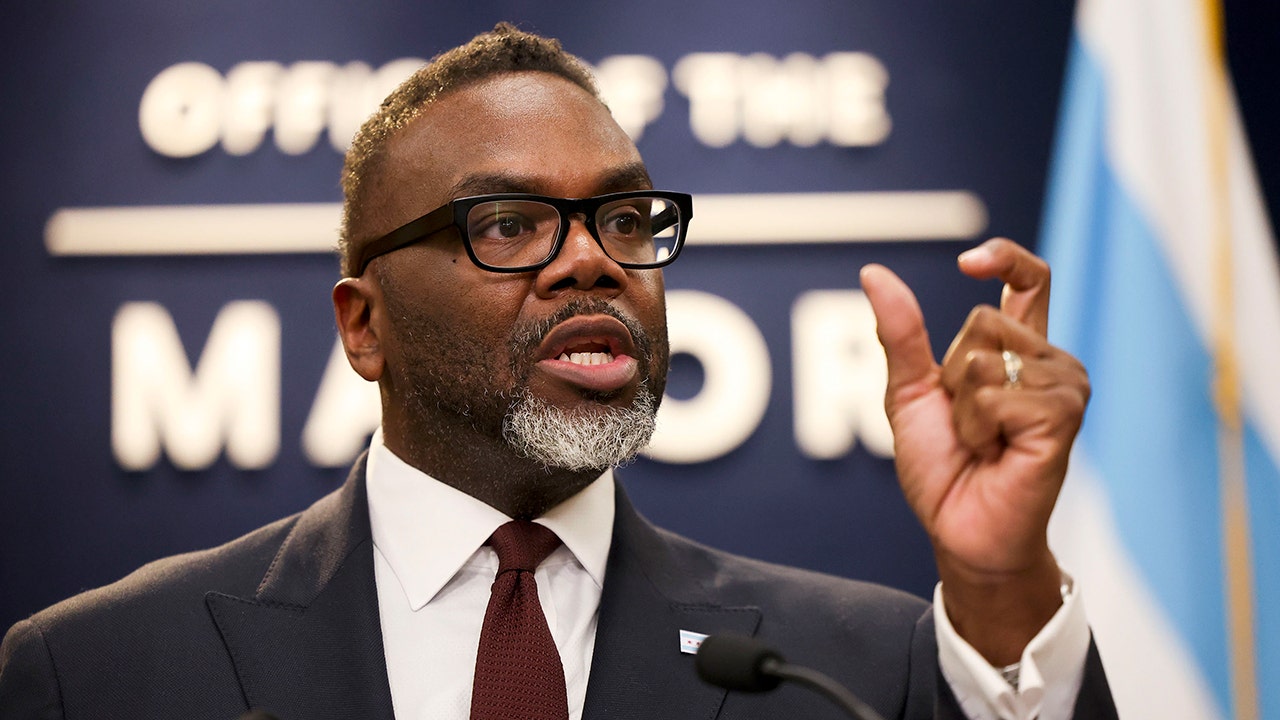
Mayor Johnson framed the arrangement as honoring civic tradition, stating: “We are pleased all parties are working together to ensure school communities can participate in commemorating International Workers Day…Encouraging participating allows Chicagoans to honor our history while advocating for our future. We look forward to a day of meaningful solidarity and community resistance to the forces trying to tear us apart.
History offers stark warnings about schooling that doubles as political training, with the Cultural Revolution as the most extreme example where children were mobilized and curriculum subordinated to ideology. Mao urged that “to rebel is justified” and proclaimed “our educational policy must enable everyone who receives an education to develop morally, intellectually and physically and become a worker with both socialist consciousness and culture.” Those lines are extreme, but they illustrate how education can be repurposed.
Local training for teachers now explicitly urges them not to shy away from politicized subjects, with one instructor advising they “encourage teachers of young children not to feel like this is stuff that’s way beyond their students, not to be afraid of raising up social justice issues, including workers’ rights, anti-racism, pro LGBT, LGBTQIA plus issues, immigration and immigrants rights.” Pushing advocacy into early grades blurs the boundary between instruction and political organizing.
Across campuses, from K through higher education, the trend toward activist-oriented programming is visible in resident activist positions and advocacy-focused degrees. When schooling becomes advocacy, public confidence erodes and families search for alternatives. For many conservative-leaning parents and taxpayers, the right policy response is school choice and stronger accountability so that education focuses on core skills rather than political formation.
Chicago’s decision to subsidize protest participation with public resources exposes the divide between civic education and civic recruitment, and it forces a debate about what public schools should prioritize. Families deserve classrooms committed to teaching the basics first and treating political activity as an optional civic conversation rather than the central mission of public education.
