
Artificial intelligence is reshaping work, education and regulation this week, with industry leaders saying AI is boosting blue-collar productivity, universities rewriting curricula, new wearables and tools arriving for consumers, and a GOP-backed push to keep rules sensible while the federal government brings in tech talent. This roundup walks through the hardware, university moves, software upgrades and the political fights over who should set the rules. Expect practical advances alongside sharp debates about regulation, workforce impact and corporate behavior.
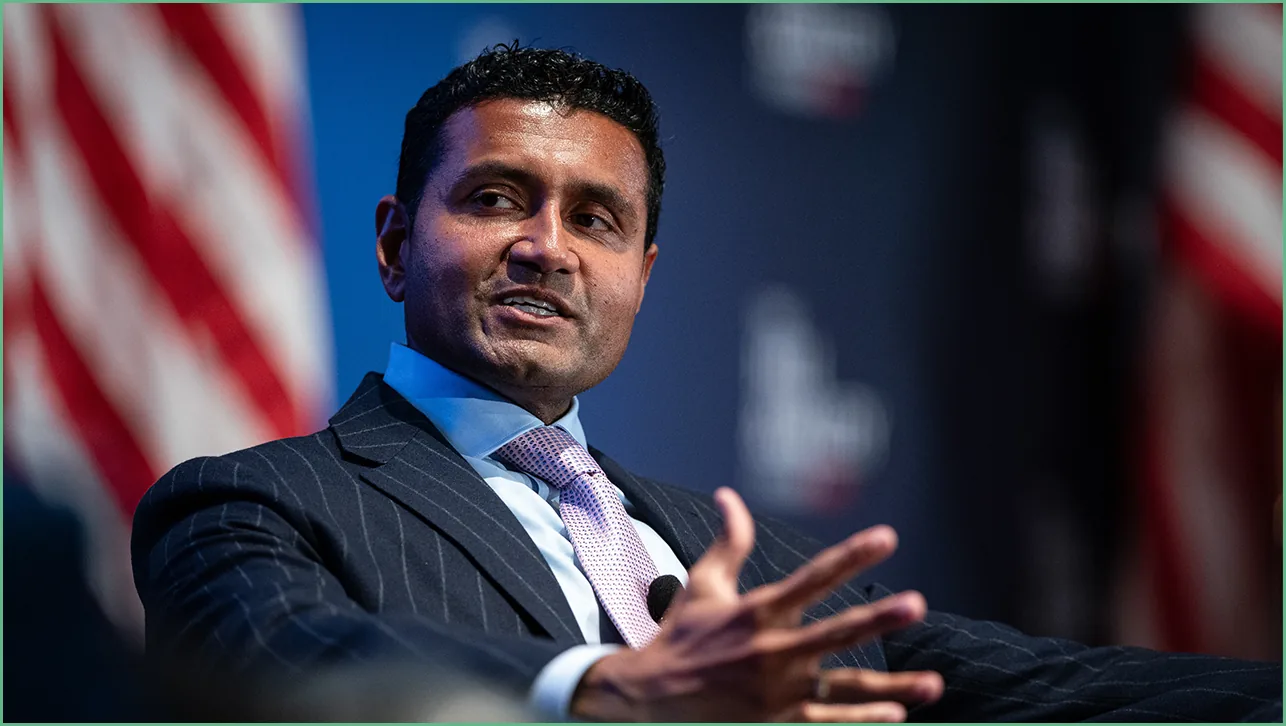
Palantir’s Chief Technology Officer, Shyam Sankar, told FOX Business that AI is driving a real productivity boom on factory floors, not the mass job losses some predict. He argues the tech speeds hiring, streamlines training and helps American industry scale more efficiently. That’s a narrative Republicans can rally around: technology lifting workers and expanding domestic manufacturing.
On the consumer side, the IRMO M1 exoskeleton is marking a notable step forward for wearables. It pairs a forward-facing camera, LADAR sensors and adaptive AI to help hikers and urban walkers alike. Lightweight robotics promise practical boosts rather than sci-fi theatrics, and early users are seeing better endurance and steadier gait on mixed terrain.
Higher education is catching up fast: Purdue University will require an “AI working competency” for undergraduates beginning in 2026. Making AI literacy mandatory reflects the new skills employers expect and pushes colleges to teach tangible, hands-on capabilities. This is the kind of commonsense reform conservatives often support—preparing students for jobs, not imposing ideological tests.
>
White House AI and crypto czar David Sacks called out blue states for inserting “woke” ideology into artificial intelligence while the administration moves to cut what he calls unnecessary rules on a fast-moving technology. That critique highlights a growing rift: federal leaders favoring lighter, national guardrails versus state-level experiments that can slow innovation. Republicans should press for standards that protect privacy and safety without smothering the industries that create jobs.
Looking ahead, Goldman Sachs’ CIO Marco Argenti warns 2026 could be a pivot point where personal agents and AI reshape competition and workplace winners. Firms that adopt practical automation and smart agents will outpace slower rivals, and workers who learn to leverage these tools will be more valuable. Policymakers should aim to smooth transitions instead of blocking the productivity gains.
OpenAI rolled out a major update to ChatGPT Images that boosts generation speed and makes instruction-following more reliable. The company says the new model is better at precise edits, cutting down on unwanted changes that used to frustrate creators. Faster, more predictable image tools will accelerate design workflows and lower the barrier for small teams to produce professional visuals.
Google’s Chrome on Android now offers an AI-powered podcast-style feature driven by Google Gemini that turns webpages into short audio conversations. Two virtual hosts discuss the content, making it easier to consume long reads while commuting or multitasking. Hands-free options like this change how people digest information and could increase engagement with long-form reporting.
The political fight over who can regulate AI heated up as Florida Gov. Ron DeSantis said states still have the right to set their own rules despite the president’s push for a national standard. That tension between state authority and a federal executive order is real, and Republicans should defend state innovation while pushing for sensible national baseline protections where necessary. Meanwhile, the administration is recruiting talent through a “Tech Force” program to modernize federal tech and speed AI adoption across agencies.
AI is also showing up in unexpected corners: Theia launched a video-only bat-tracking system that analyzes swing mechanics without sensors, and Consumer Reports flagged that Instacart’s AI-enabled pricing experiments are driving up prices for some shoppers. And on Capitol Hill, Rep. Ayanna Pressley pushed the “AI Civil Rights Act” amid concerns about bias, a debate that demands careful scrutiny so protections don’t become pretext for burdensome rules that hurt innovation.
