
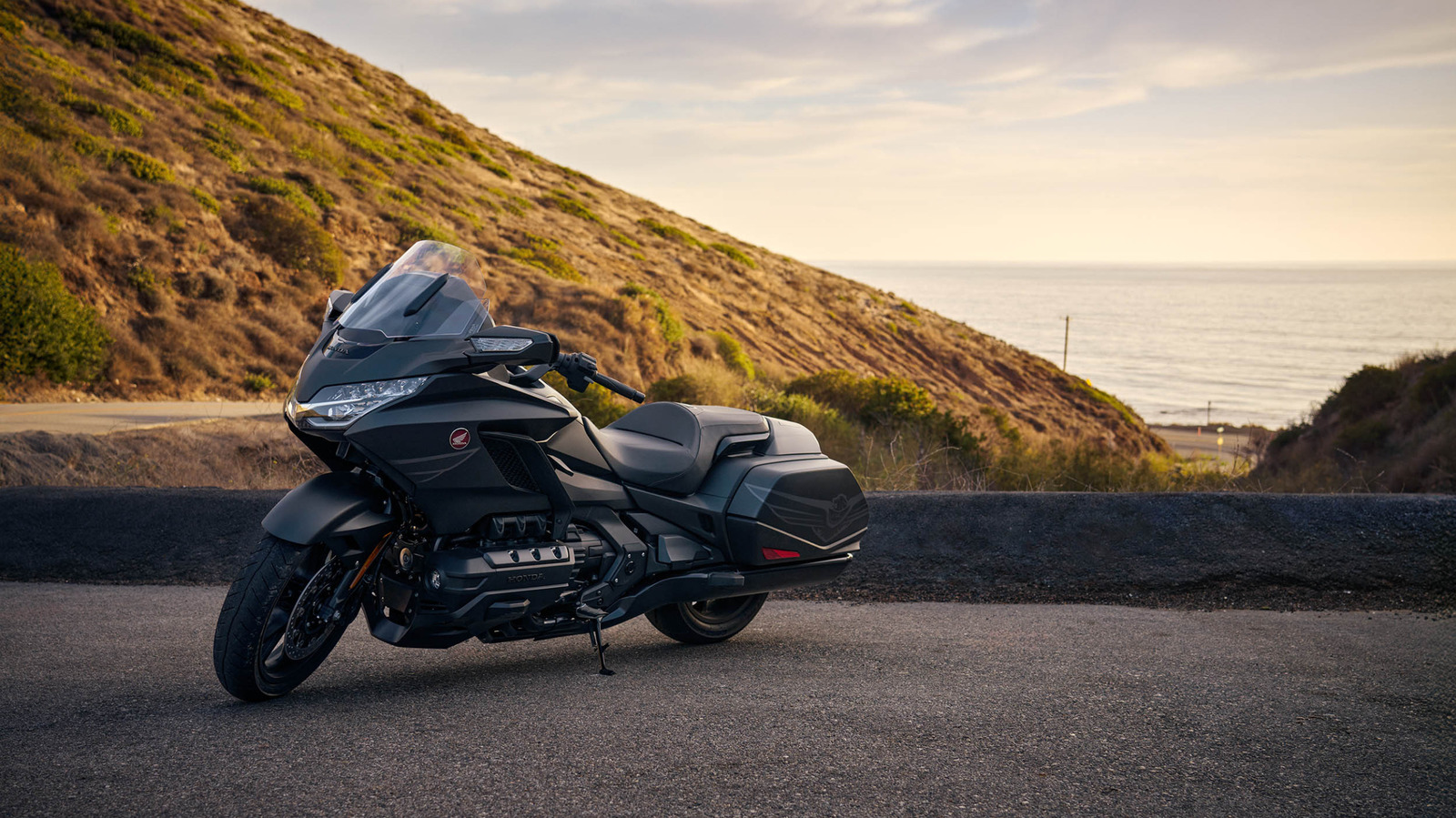
Honda’s engines have long married reliability with a hunger for revs and innovation, shaping both street cars and racers. This piece walks through the powerplants that defined Honda’s rise, from early motorcycle mills to modern turbo hybrids, and why they matter to enthusiasts and everyday drivers alike.
Honda started as a motorcycle company, and that DNA shows in every engine they build: lightweight, high-revving, and engineered for efficiency. Early air-cooled twins and fours proved the company could squeeze performance from small displacement, setting a tone for decades. Those lessons migrated into cars, where compact, nimble engines became a Honda trademark.
The CB750 and its contemporaries were game changers, proving small-displacement engines could be smooth, powerful, and durable. Honda pushed for precision machining and better breathing long before electronic aids became common. That commitment turned motorcycles into reliable daily weapons and built a culture that expected more from compact engines.
When Honda entered car culture in earnest, the B-series was a turning point, offering impressive power for its size and fantastic aftermarket support. The B16 and B18 families delivered crisp throttle response and rev-happy character that made them favorites for swaps and builds. These engines didn’t just make horsepower; they delivered an accessible, engaging driving experience that tuned well without sacrificing daily usability.
VTEC was another headline innovation, introducing variable valve timing that let small engines behave like big ones at high revs and efficient mills at cruising speeds. That clever mix gave Hondas both fuel economy and a thrilling top end, which is rare in mass-market engines. VTEC became a brand signature and reshaped customer expectations for naturally aspirated performance.
The S2000’s F20C and later F22C are textbook examples of Honda’s engineering boldness: extreme specific output, sky-high redlines, and mechanical simplicity. These engines were all about driver feedback, with a razor-sharp power delivery that rewarded revving. They showed how far Honda would push a production engine while keeping it reliable enough for real-world use.
On the other end of the spectrum, Honda’s K-series blended the B-series’ spirit with modern architecture, including an efficient head design and strong bottom ends for forced induction. K20 and K24 engines became popular in both stock form and as turbo candidates, proving Honda could compete in the turbo era without losing its revvy character. This versatility broadened Honda’s appeal among tuners and racers alike.
The NSX V6 deserves mention for more than just power; it represented Honda’s willingness to build exotic architecture with reliability in mind. Lightweight materials and advanced engineering created a supercar that drove like a precision instrument, not a temperamental diva. That approach carried Honda credibility in high-performance circles and influenced how the brand thought about lightweight performance moving forward.
Honda’s racing pedigree feeds back into production engines, whether through Formula success or touring car efforts. Lessons in durability, thermal management, and packaging translate to road-going units that often outperform their specs on paper. Racing isn’t just marketing for Honda; it’s a laboratory where streetable improvements are proven under pressure.
More recently, Honda has focused on downsized turbo engines and hybrid systems as it navigates emissions rules and fuel economy demands. The shift shows that Honda can evolve without losing what made its engines special: responsiveness and engineering clarity. Fans may bemoan the loss of large naturally aspirated screamers, but the new powertrains keep the core values alive in cleaner, more efficient packages.
Across motorcycles and cars, the throughline is clear: Honda prioritizes efficient packaging, clever valvetrain design, and a focus on driver engagement. Those traits turned practical engines into pieces of culture and helped build a brand that’s both trusted and admired. They keep Honda competitive, whether in daily commuting or on track nights where every rev and response counts.
