
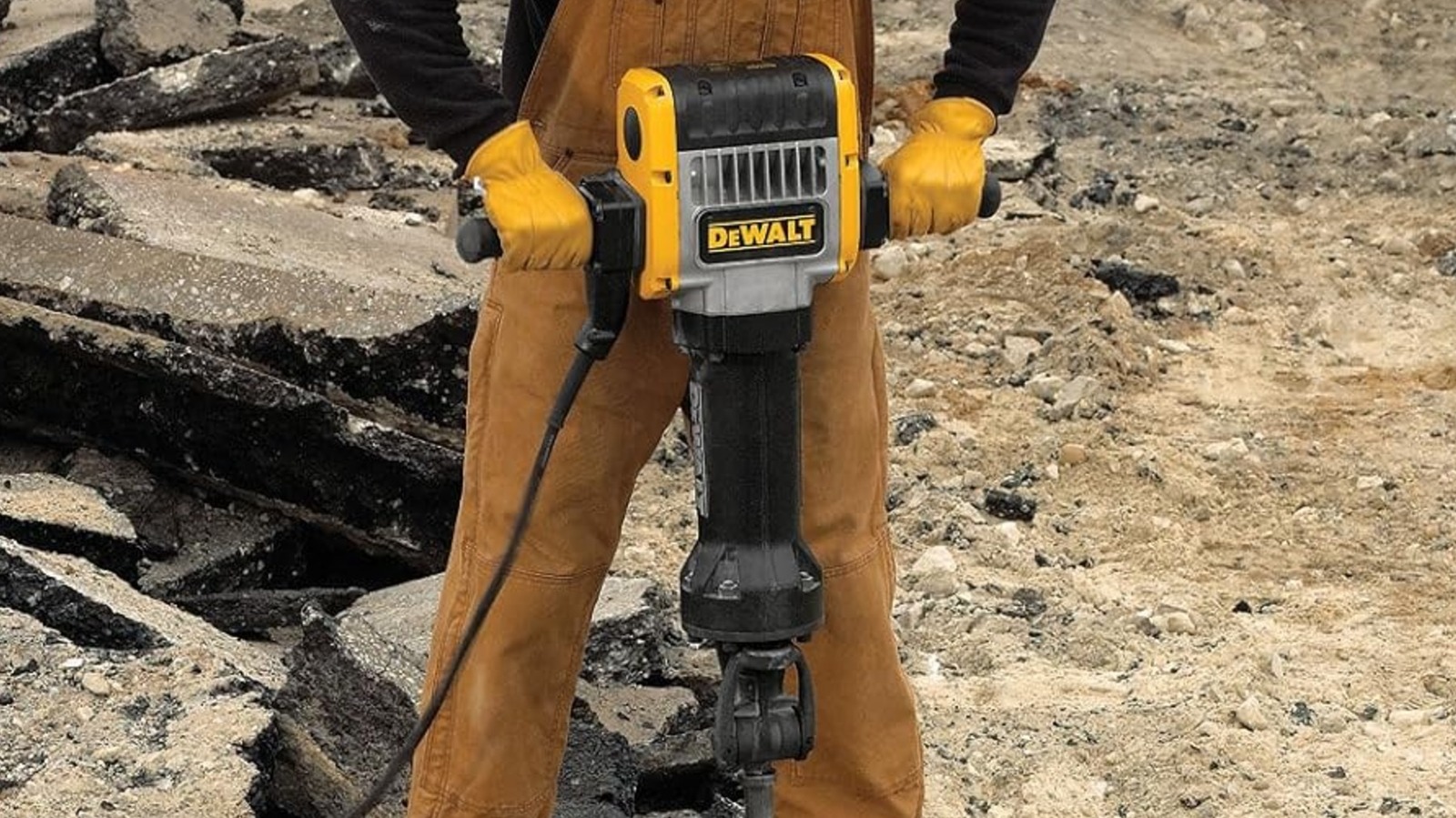
This piece walks through five heavy-duty DeWalt tools built to make pouring and finishing concrete less of a grind, outlining why each device matters on a jobsite and how they change the pace and quality of a pour.
Pouring and finishing concrete is physically demanding and time sensitive, and the wrong gear turns a long day into a long week. DeWalt focuses on rugged build and jobsite-friendly features that aim to cut labor and speed up cycles without sacrificing the finish. Durability, power delivery, and ease of maintenance are the three traits crews notice first when they swap out old tools for newer DeWalt equipment.
The first category that pays immediate dividends is the power trowel. These machines deliver a fast, consistent finish on medium to large slabs and keep operators off their knees for hours. When a trowel is built with heavy-duty components and easy-to-reach controls, an experienced operator can lay down a smoother surface in a fraction of the time it takes with hand floats.
Next up is the mixing equipment crews rely on for consistent batches and reduced fatigue. High-capacity mixers that are simple to load and easy to clean keep pour schedules tight and reduce the number of reworks caused by poor mix consistency. On tight timelines, a reliable mixer reduces the number of hands required and keeps concrete flowing to the slab while maintaining strength and workability.
Concrete vibrators are the unseen heroes in any serious pour because they remove trapped air and consolidate the mix around reinforcement. A quality vibrator will improve compressive strength and cut down on surface defects that later need patching. DeWalt-style units designed for heavy use feature robust motors and ergonomic shafts so the tool can run long shifts without overheating or breaking down.
Cutting and jointing tools matter more than most people think for finishing and future slab performance. Walk-behind saws and heavy-duty hand saws let crews place control joints accurately and reduce random cracking as the slab cures. When jointing is timely and precise, the final surface requires fewer repairs and holds tolerances better for whatever goes on top of the concrete.
Battery-driven mixing and finishing accessories have changed how crews move around a site by removing the limits of cords and the fumes of gas engines. Cordless options provide surprising torque and runtime now, making them viable for everything from mixing small batches to powering finishing tools. Portability speeds transitions between tasks, and the simplicity of swapping batteries removes a lot of downtime that used to come from refueling and maintenance.
Bringing these five tool types together into a single workflow smooths out the rough spots in a typical pour. Start with a steady supply of well-mixed concrete, use vibrators to consolidate, cut joints as the slab moves through initial cure, and finish with power trowels that compress and polish the surface. Investing in durable tools means fewer interruptions, less emergency maintenance, and more predictable slab outcomes on every pour.
For crews that live by production targets and solid finishes, picking at least one heavy-duty DeWalt tool for concrete work is an easy decision. They are built to handle the knocks and keep running when timelines tighten and crews stretch. The right tool on site shifts the work from sheer muscle to skilled execution, and that is the kind of leverage teams notice on day one.
