
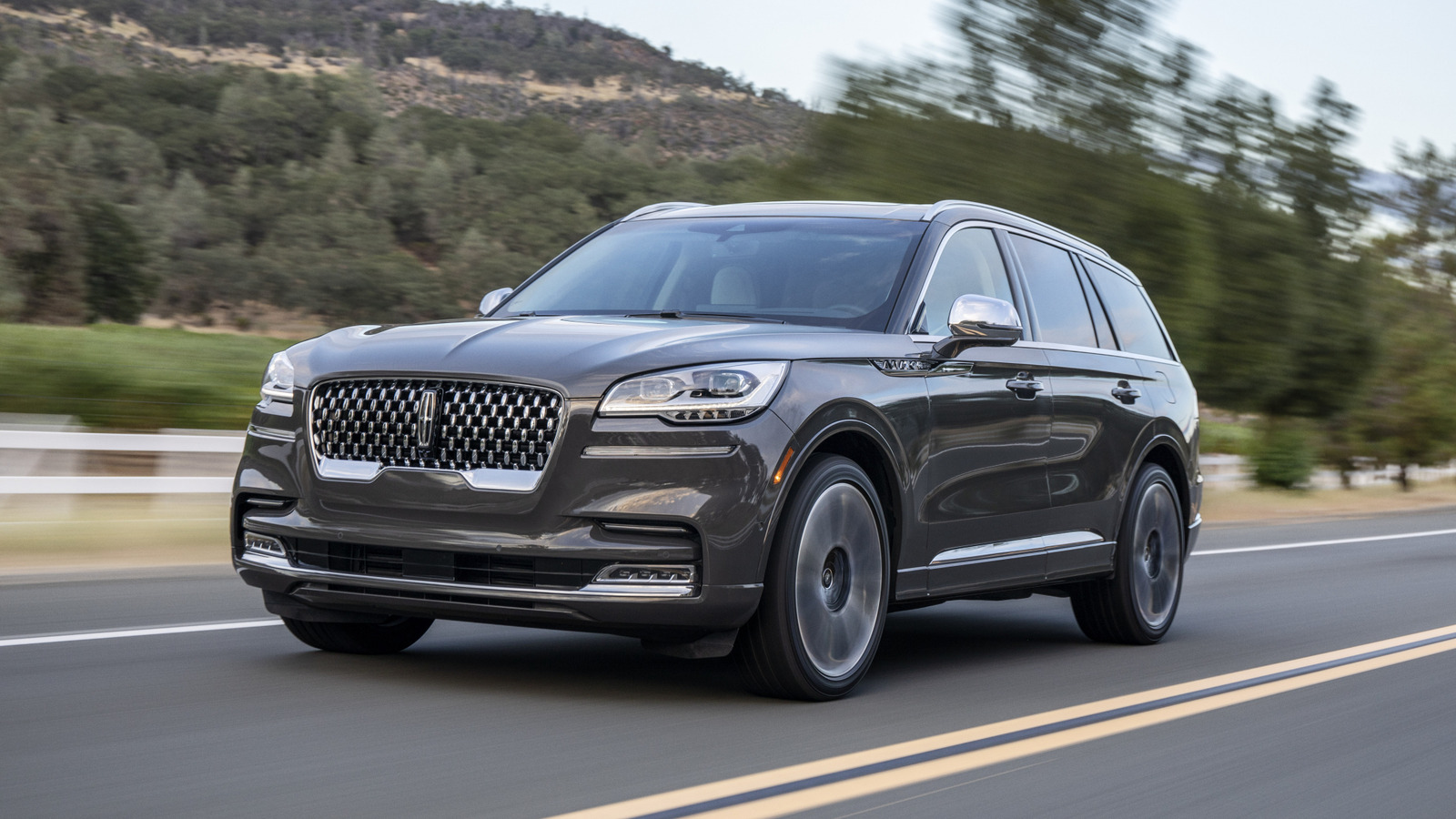
Consumer Reports warns buyers about three unreliable used luxury SUVs and why chasing a bargain can turn into a money pit; this article breaks down the common failure points, what to watch for when shopping, and practical steps to avoid a costly mistake while still aiming for a premium driving experience.
Luxury SUVs often promise comfort, tech, and cachet, but they can also deliver expensive repairs and surprise maintenance bills. Consumer Reports highlights models with recurring electrical gremlins, transmission trouble, and costly engine repairs that make a seemingly good deal a long-term headache. The real cost of ownership can far outstrip the initial savings on a used sticker price.
Electronics are a major weak spot in many high-end crossovers and sport utilities from the last decade. Infotainment systems, adaptive driver aides, and complex climate controls may fail intermittently, and dealers or independent shops can charge a small fortune to diagnose and fix them. If the car relies heavily on software updates or specialized components, those fixes are both time-consuming and pricey.
Transmissions and turbocharged powertrains are another frequent culprit in these luxury models. Some designs are sensitive to maintenance lapses, while others have known design issues that lead to slip, hesitation, or full failure. Rebuilding or replacing a transmission is one of the most expensive repairs you can face, so red flags here should steer you away.
High-end brands also often have a steeper parts and labor bill compared with mainstream makes, and that adds up fast after warranty expiration. Routine services cost more and repairs often require dealer-only parts or specialized tools, making independent shops less useful. Buyers must factor those ongoing costs into the total ownership equation instead of fixating on the purchase price alone.
Depreciation can make luxury SUVs look like bargains, but it also concentrates problems among cheaper, older examples on the used market. Vehicles with deferred maintenance, salvage histories, or aftermarket modifications tend to surface in bargain bins and carry hidden risks. A low price can hide expensive timing belt jobs, failed turbos, or cooling system neglect that will demand attention later.
Don’t skip a thorough inspection and a full vehicle history check before you commit to any used luxury SUV. A qualified independent mechanic can reveal oil leaks, frame damage, or signs of flood exposure that a short test drive would miss. Checking for consistent service records and confirming major components were serviced on schedule will save you grief.
Extended warranties and certified pre-owned programs have value when they cover high-failure items, but they’re not a cure-all. Read the contract closely to know what’s covered and what’s excluded, and consider the reputation of the warranty provider rather than the dealer’s sales pitch. For many shoppers, a short factory-certified option paired with a trusted mechanic gives the best protection.
Negotiation matters more when shopping luxury used vehicles. Use documented issues, maintenance gaps, and known model-specific problem areas as leverage to lower the price or push for repairs before sale. If the seller resists transparency, walk away—there are always other options in a crowded used market.
Look beyond glam and focus on drivability: test every feature, listen for unusual noises, and evaluate real-world fuel economy versus what you expect to pay. Verify that safety features function properly and that no warning lights remain on after a complete startup sequence. Small annoyances may be tolerable, but persistent mechanical or electronic faults are deal-breakers.
If you want luxury without the gamble, consider late-model mainstream SUVs with high reliability ratings or factory-backed certified programs that include comprehensive inspections. Alternatively, prioritize brands and model years with known strong ownership records and affordable parts. Smart buying means aligning prestige with practical costs, not gambling your savings on looks alone.
