
School choice became a convenient target after the midterms, but the numbers and the mood on the ground tell a messier story. In Texas especially, Republicans did not collapse in rural areas, voters kept their priorities focused elsewhere, and support for education options remained strong enough to make the backlash argument look shaky.
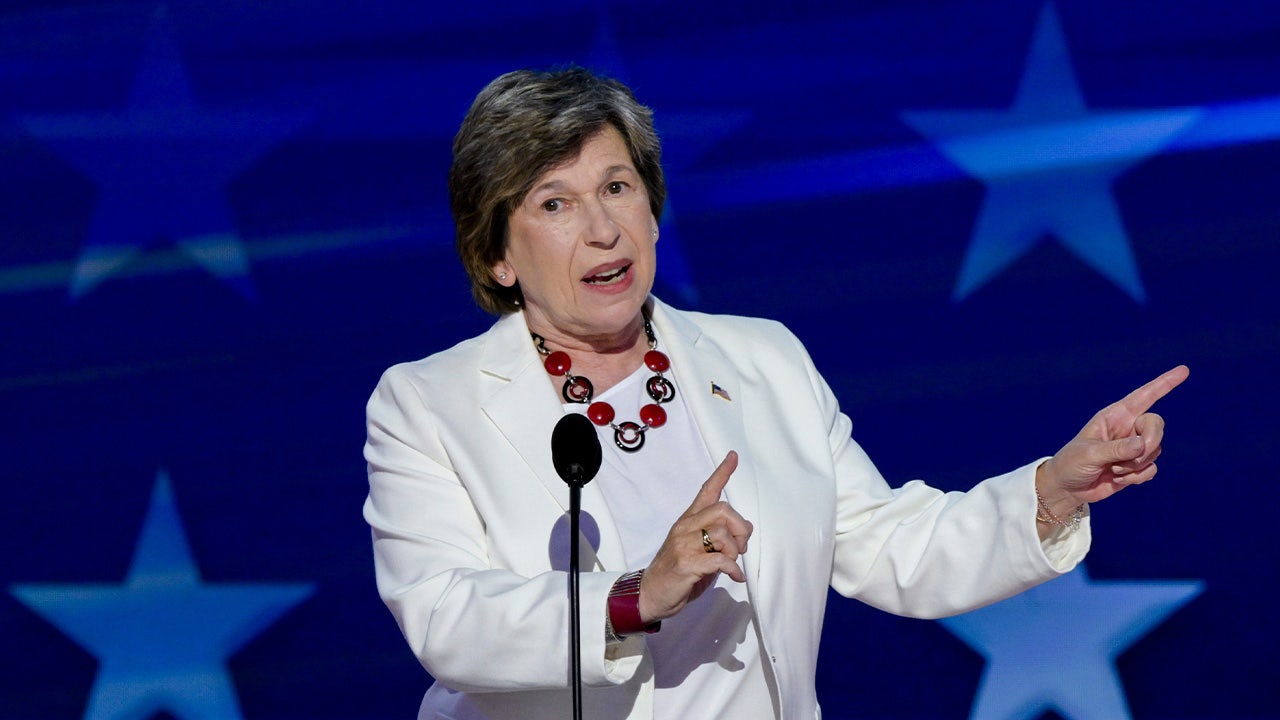
Teachers union chief Randi Weingarten and her allies tried to pin Republican losses on school choice, claiming voters rejected a so-called privatization push. That line sounds tidy, but it runs straight into the facts, especially when Texas voters were making their own views known on taxes, education funding, and who they trust to handle schools.
Democrat Gov.-elect Gina Hinojosa made school choice a punching bag during her victory speech, calling it a scam and promising to undo it. Texas Democrats have also floated plans that would take scholarships away from more than 100,000 mostly low-income students, even after campaigning on affordability and fairness. That is a risky move when many of those families finally have options they never had before.
The demand for Texas Education Freedom Accounts says plenty on its own. More than 274,000 students applied in the first year, over 100,000 were funded, and thousands more were left waiting after the money ran out. Programs do not draw that kind of interest unless parents see real value in them.
Exit polling added another wrinkle. Abbott’s share of the rural vote stayed basically flat, landing in the same 64 to 66 percent range in both the 2022 and 2026 races, even as the statewide political mood shifted left. If school choice were driving rural voters away from Republicans, that kind of consistency would be hard to explain.
Education also was not the issue dominating the electorate. Voters were far more focused on the economy and immigration, while education ranked much lower on the list of concerns. That alone weakens the idea that school choice was some giant election day land mine for Republicans.
The Texas House results tell a similar story. More than 20 seats flipped from Republican to Democrat, but only one of those flips came from the 30 most rural districts, which remained solidly Republican. Rural voters were clearly moving on some races, yet not in a way that matches the union’s blame game.
Ballot measures on school funding and taxes also cut against the backlash claim. Texas voters rejected nearly $7 billion in additional money for the public school system and overwhelmingly approved a larger homestead exemption tied to school district property taxes last year. That is not the behavior of a electorate desperate to pour more cash into the existing system at any price.
Polls have been showing broad support for choice for some time. A University of Houston survey found 69 percent of Texas voters supported universal education savings accounts, while another poll from the University of Texas at Tyler showed 60 percent support for school choice in 2023. Even on a topic where Democrats once enjoyed a real edge, the ground has shifted.
Republican primary voters have been especially clear. Eighty-eight percent backed school choice on the 2022 ballot, and anti-school-choice candidates have taken serious hits in GOP primaries. That kind of loyalty matters because it shows the issue is not some fringe hobbyhorse, but a real priority for the party’s base.
The media angle has been messy too. One Texas newspaper ran a piece that tried to paint rural Republicans as warming to Hinojosa, then had to clarify that it had not known the writer’s firm had been paid by the campaign. That kind of stumble does not exactly build trust in the anti-school-choice narrative.
History also puts the whole debate in perspective. The oldest voucher programs in the country started in Maine and Vermont in the late 1800s for rural students who had no nearby public school to attend. The idea that choices should expand when options are limited is hardly new, and families in small towns still understand that instinct immediately.
What keeps cutting through all the noise is simple: parents like having leverage, and once they get it, they do not give it up easily. The fight over school choice is not fading, and in places where families want better options, the political cost of taking those options away could land right back on the people trying to shut the door.
