
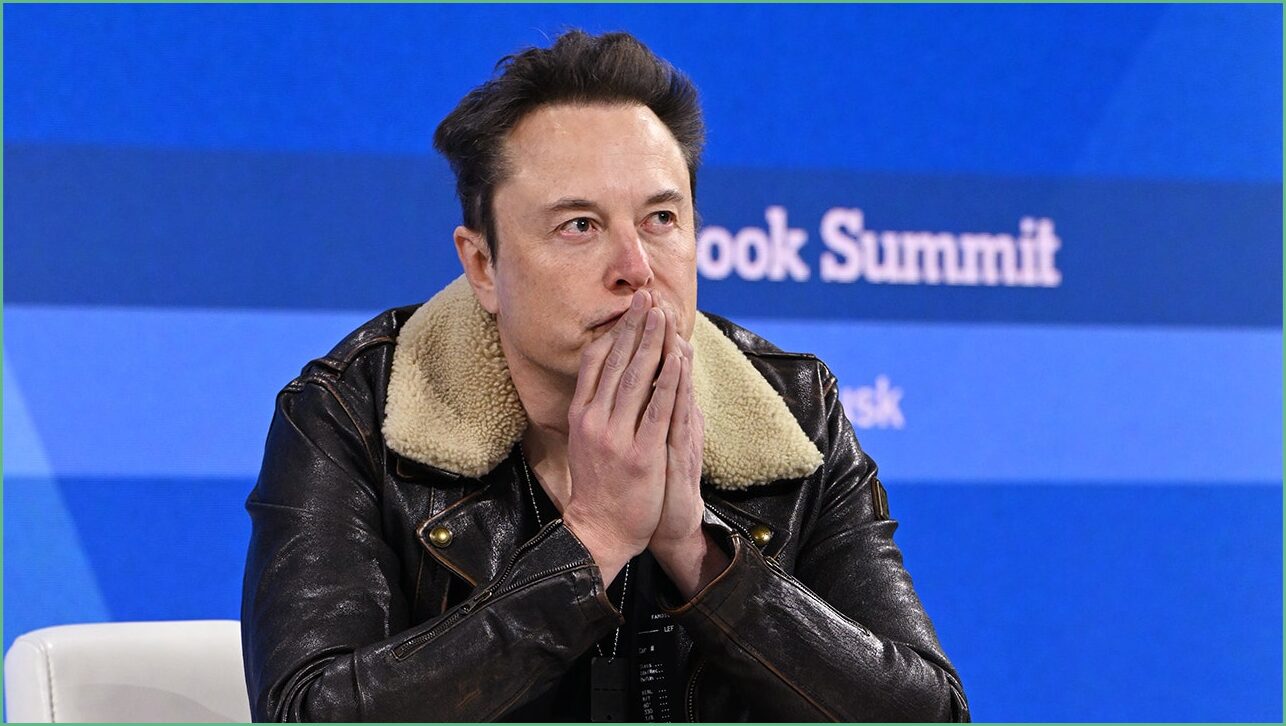
Elon Musk recently suggested people need not bother “squirreling” money for retirement because artificial intelligence could make savings irrelevant in the next decade or two. That claim caught attention and worry alike, and this article pushes back from a practical, common-sense angle. The point is simple: individual financial preparedness still matters, no matter how charming the tech utopia sounds.
When a billionaire talks about a future where money fades, remember the speaker’s position. Elon Musk is a visionary entrepreneur with vast wealth, not a guide for everyday household budgets. Most Americans do not have generational cushions or the luxury of treating retirement as an intellectual thought experiment.
Retirement isn’t an abstract idea; it is groceries, housing, healthcare and dignity each month. Those are real bills that don’t wait for a promised AI windfall. Treating retirement like a bet on Silicon Valley technologies risks leaving people exposed.
AMERICANS HAVE NEVER HAD ACCESS TO MORE LUXURIES, BUT WHY DO WE FEEL SO POOR? The idea that automation instantly spreads prosperity ignores how history actually distributes gains. New technologies often concentrate wealth with owners and investors before benefits trickle outward.
REMOVE YOUR DATA TO PROTECT YOUR RETIREMENT FROM SCAMMERS is a useful reminder that more tech can mean more vulnerability, not less. Scams, identity theft and fraud target retirement accounts and social security benefits alike. Technology can help, but it also creates new risks that prudent savers must manage.
Musk’s vision assumes three unlikely outcomes: rapid, flawless technological rollout; broadly shared wealth; and nimble, perfectly aligned policy responses. That trifecta is optimistic at best and unrealistic at worst. Expect disruptions—workers displaced, business models transformed and inequality that initially widens.
TRUMP’S 401(K) PLAN TRIES TO FIX HOUSING CRISIS. IT’S A FULL-BLOWN RETIREMENT DISASTER appeared as one critique of policy ideas, and it underscores that political fixes are not guarantees. Social Security faces funding questions, pensions are fading and many employees lack access to employer plans. That combination makes personal saving more, not less, important.
‘SPAVING’ IS NOT SAVING. IT COULD COST YOU UP TO $50,000 OUT OF YOUR RETIREMENT nails the practical danger: delayed saving compounds into lost opportunity. Someone in their 30s or 40s who pauses contributions for a decade, hoping an AI miracle, sacrifices years of compound growth that won’t come back. Compound interest rewards early, consistent behavior, not last-minute hope.
Reality includes rising healthcare costs, expensive housing, stubborn inflation and record household debt. Those pressures shape the retirement landscape today and for the next generation. Betting that abundance will arrive uniformly ignores how policy, markets and private owners shape outcomes.
HOW TO SECURE YOUR 401(K) PLAN FROM IDENTITY FRAUD highlights a practical truth: protecting what you already have matters as much as dreaming about future abundance. Emergency reserves, diversified investments and regular plan reviews are the everyday work of financial security. Those habits create optionality and independence regardless of technological change.
Even if AI shifts productivity dramatically, someone will own the platforms and reap most early profits. The expectation that those gains will automatically flow to every worker misunderstands incentives and history. A conservative perspective prizes personal responsibility: build your assets, take the employer match and reduce high-interest debt.
HOW TO SAFEGUARD YOUR CREDIT SCORE IN RETIREMENT AS FRAUD AND IDENTITY THEFT RISE AMONG SENIORS is another practical caution about modern threats that compound financial vulnerability. Protection measures, not passive optimism, lower risk. Smart people use tools and discipline to preserve their choices.
That’s why the bottom-line advice is unchanged by Silicon Valley predictions: keep funding your retirement accounts, grab the free employer match, build an emergency cushion, invest consistently and diversify. If AI does create abundance, you’ll enter that world with assets and options instead of anxiety. “Hope is not a strategy.” “You can’t retire on optimism.” “You can retire on preparation.”
