
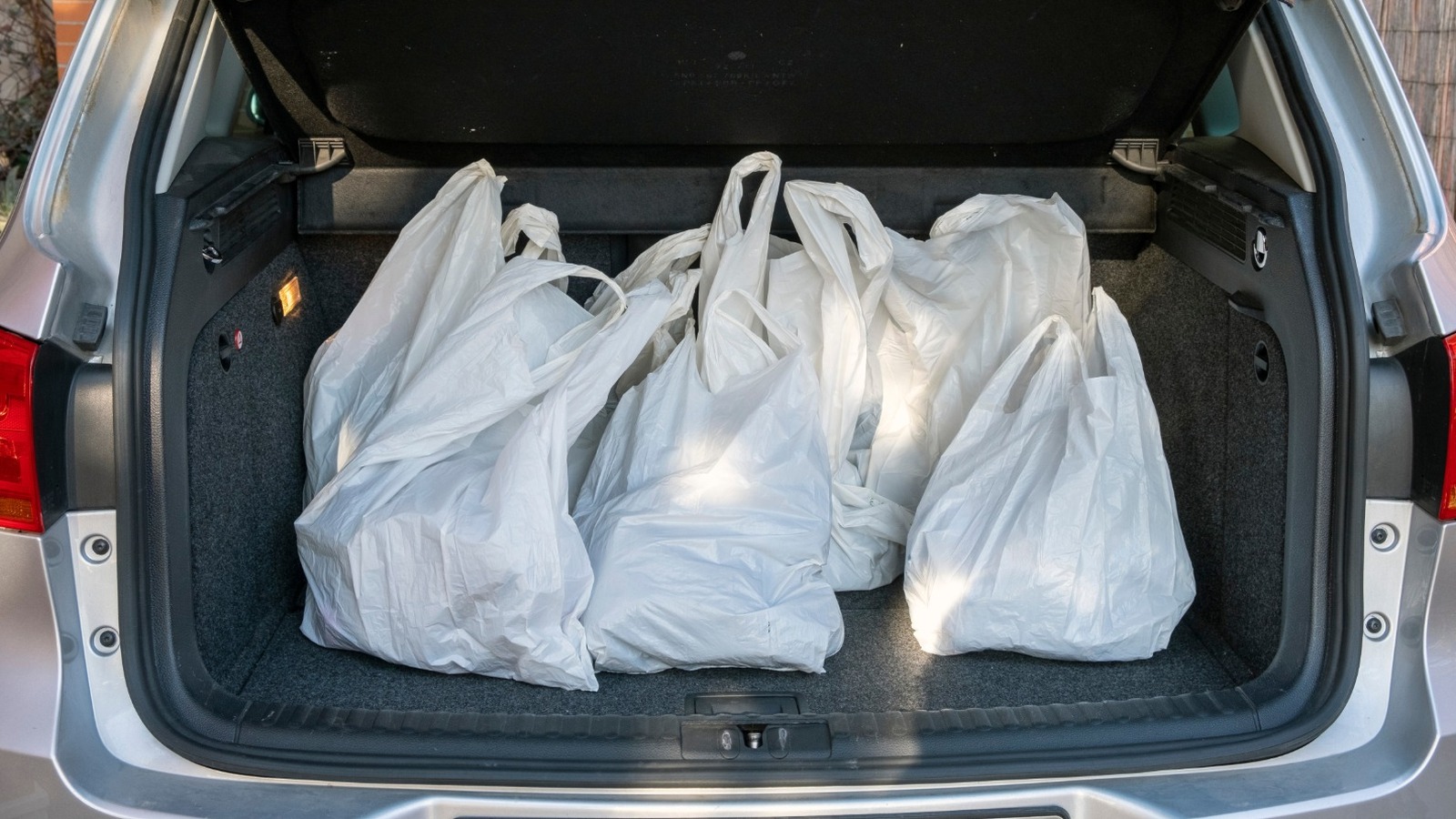
Cars and trucks look like mobile storage units, but some things belong nowhere near your passenger cabin or trunk. This piece explains twelve specific items you should never stash in a vehicle, and why leaving them at home or in proper storage makes sense for safety and peace of mind.
1. Ammunition and loose gunpowder are terrible travelers in hot cars. Heat can increase pressure in cartridges and make handling unpredictable, and loose powder is a fire risk if it encounters a spark. Keep ammunition in a cool, dry place with controlled conditions, not bouncing around under a seat.
2. Fireworks and sparklers are tiny time bombs when left inside metal boxes baking in the sun. Even a short trip can raise temperatures enough to set off fuses or weaken packaging, creating an instant hazard. Store them in a locked, ventilated shed and never in a vehicle overnight.
3. Lithium batteries and spare power banks can swell, overheat, or catch fire if damaged or overheated. They are especially risky in confined, hot trunks where a single failure can start a thermal runaway that spreads quickly. Charge and store them at room temperature and watch for bulging or overheating before reuse.
4. Propane cylinders and compressed gas tanks are a large-scale danger when parked or involved in minor crashes. Valves can leak under pressure changes, producing flammable or asphyxiating gas that accumulates in a closed car. Use approved mounting and never leave tanks inside for extended periods.
5. Gasoline containers and other flammable liquids belong in certified outdoor storage, not inside your vehicle. Spills can soak carpeting and upholstery, creating long-lasting fumes and a huge fire load even from a small spark. Transport fuel in approved containers only for short trips and never store them full in the car.
6. Aerosol cans from paint, deodorant, or cleaners may explode or burst in heat, spraying contents or rupturing metal canisters. That not only destroys interiors but can ignite or poison the interior air. Keep them ventilated and out of direct sunlight in a cool storage area.
7. Pressurized air tools or CO2 cartridges can lose seals or rupture when exposed to fluctuating temperatures and rough handling. A sudden rupture can throw shrapnel and spray contents inside a confined cabin. Store these items boxed in a dry area and inspect seals before every use.
8. Perishable food and medicine degrade fast in a warming car and can become unsafe to use. Bacteria and chemical breakdown accelerate at high temperatures, risking illness or reduced effectiveness just when you might need supplies. Use coolers for temporary transport and avoid long-term storage of anything perishable.
9. Loose cash, jewelry, and important documents attract thieves and suffer damage from heat and moisture. A car break in can leave you without identification or irreplaceable items, and paper or leather can warp from humidity. Carry essentials with you or lock them in a secure home safe when possible.
10. Candles, matches, and lighters are obvious ignition sources that do not belong locked in a hot vehicle. Accidental tipping or heat-triggered discharge can start a fast-moving fire inside a confined space. Keep them in a dry cabinet and separate from flammable materials.
11. Chemical cleaners and pesticides can off-gas and corrode interior materials while presenting inhalation hazards. They might seem handy to have on board, but a small leak can leave a car stinking and unsafe for hours. Store them in original containers in ventilated, designated areas instead.
12. Pressurized beverage cans and glass bottles may explode or shatter under extreme temperature swings and impact. Broken glass is a cutting hazard and sticky spills attract pests and cause odors that are hard to remove. Choose sturdy travel containers and avoid leaving full drink containers in hot cars.
