
Choosing the best car for a new driver comes down to a few simple truths: safety first, predictable handling, and affordable ownership. This piece walks through the practical reasons some cars are a poor fit for beginners and highlights the features that actually help a new driver learn and stay safe. Read on for clear, no-nonsense guidance so the decision isn’t driven by style or hype.
When people ask which car is best for a new driver, what they usually mean is which car minimizes risk and cost while maximizing confidence. New drivers need machines that are forgiving, not flashy, so look for models that reward smooth inputs and steady decision-making. Think of the car as a training tool, not a status symbol.
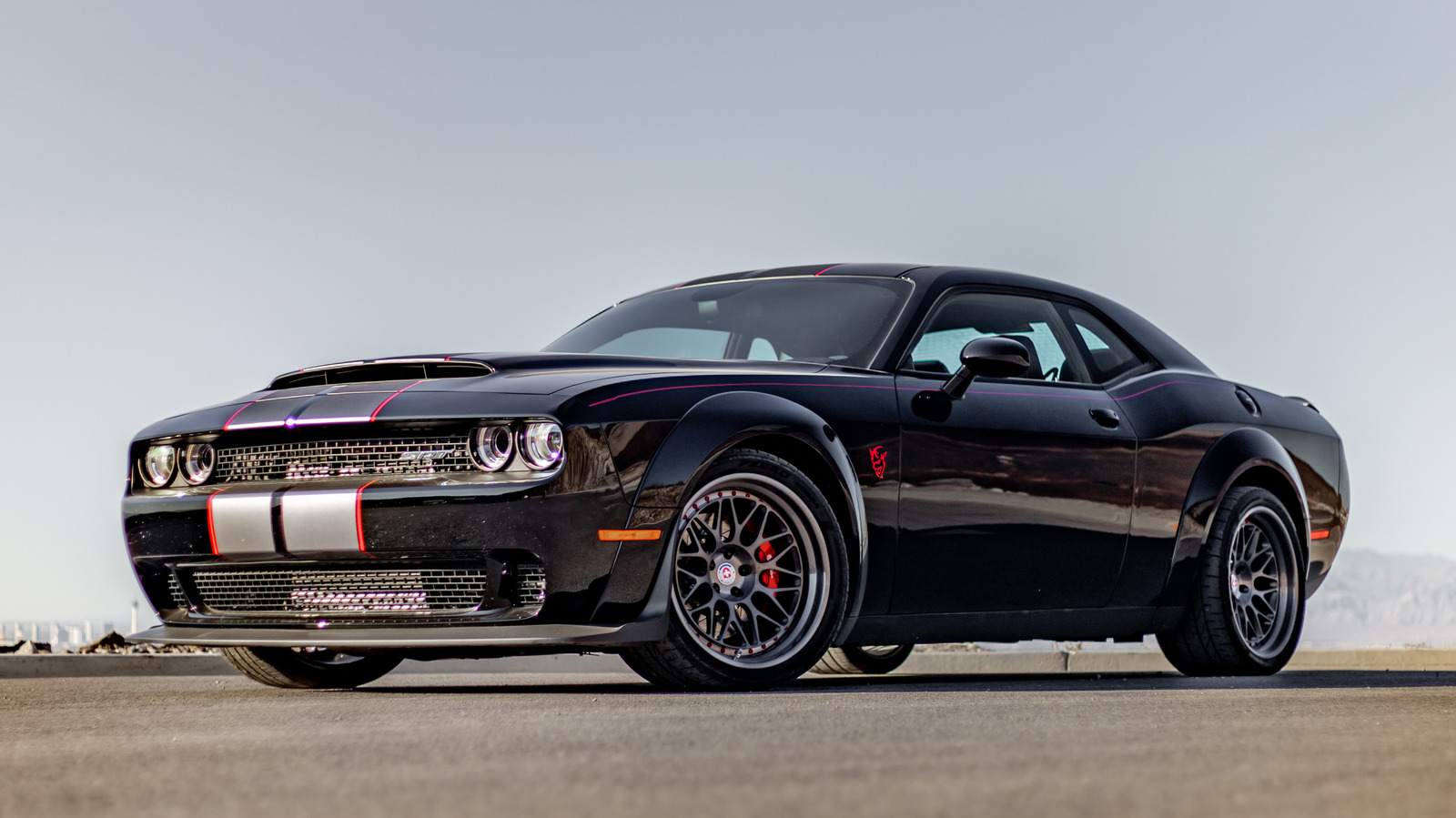
Avoid high-horsepower sports cars and anything with overly eager throttle response, because raw power teaches bad habits fast. Those cars also carry steeper insurance and repair bills, which can be a real burden for someone fresh behind the wheel. Power isn’t the point; predictability and balance are.
Big, heavy SUVs might feel safe, but they can be clumsy for a beginner to maneuver in tight spaces and have larger blind spots. Compact sedans and small crossovers tend to offer better visibility and simpler handling without sacrificing crash protection. Size should match driving conditions and the driver’s comfort, not the idea of feeling invincible.
Modern safety gear matters: stability control, anti-lock brakes, and multiple airbags are must-haves, and crash-test ratings should influence the choice. Advanced driver assists are useful, but they can create overreliance if a novice expects them to drive the car. Treat tech as backup, not a replacement for solid fundamentals.
Insurance is a real-world deterrent that often gets overlooked when shoppers focus on stickers and options. Sporty trims, turbo engines, and high replacement-cost parts push premiums up quickly, so choose modest trims and common parts for cheaper coverage. Lower ongoing costs mean fewer stressors for a new driver learning responsibility.
Reliability and simple maintenance are underrated safety features because a reliable car is more likely to be safe every day. Older models with a proven track record and easy-to-fix components beat exotic or niche vehicles in the long run. A dependable car keeps a new driver on the road and out of stressful repair situations.
Manual transmissions have their place for teaching clutch control and engagement, but automatics are usually the smarter pick for new drivers who need to focus on traffic and situational awareness. Today’s automatics are efficient and smooth, and they reduce the cognitive load during the busiest learning moments. Choose gearboxes that match where and how the car will be used.
Visibility and ergonomics matter more than people assume; good sightlines, intuitive controls, and comfortable seating help a novice stay aware and react faster. Small features like clear mirror adjustment and easy-to-read gauges reduce distraction and build confidence. Don’t chase bells and whistles that clutter the cabin and divert attention.
Buying used can make sense, but used doesn’t mean careless—check maintenance history, get a pre-purchase inspection, and prioritize safety systems over cosmetic extras. A well-maintained older model with strong crash-test ratings is often wiser than a newer car with sketchy upkeep. Cost of ownership beats model year in the real world.
Fuel economy isn’t glamorous, but lower running costs mean fewer compromises and less stress for a new driver juggling budgets. The smarter the car is on fuel and tires, the easier it is to keep up routine maintenance and insurance payments. Practical choices build better driving habits over time.
Ultimately, the best car for a new driver is one that encourages cautious behavior, keeps operating costs low, and offers proven safety. Pick a sensible, well-equipped model, skip the overpowered trims, and invest in basic driver education to get the most value from the vehicle. The right choice will help a new driver build skills without adding avoidable risks.
