
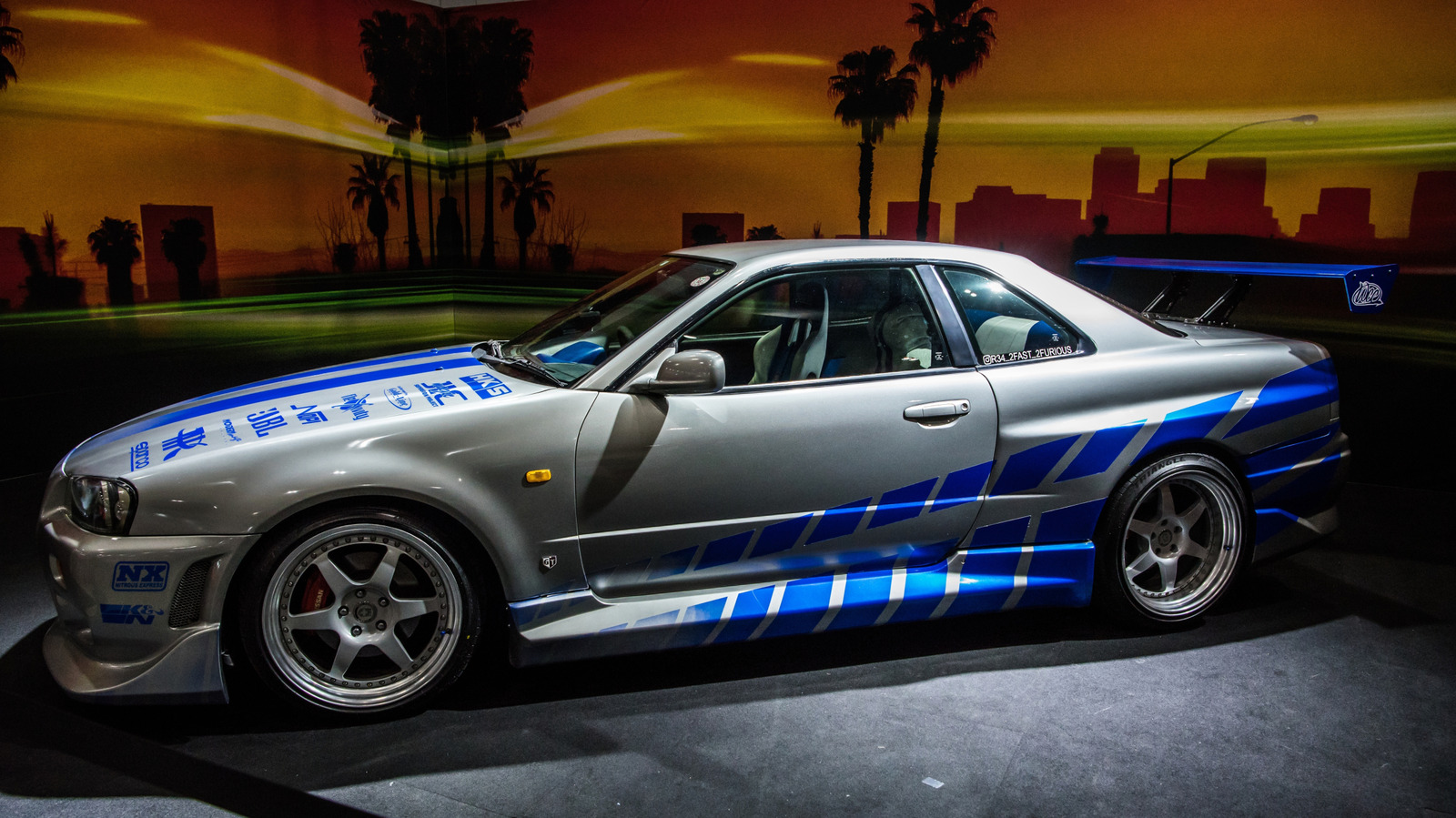
Paul Walker’s iconic Nissan Skyline from 2 Fast 2 Furious disappeared for years and then reappeared in an unexpected spot, leaving car lovers and movie fans buzzing. This piece traces that mystery, why the car mattered to enthusiasts, how it was tracked down, and what its sudden return says about the culture around movie cars. Expect a quick, energetic look at a vanished treasure that turned up where almost nobody guessed it would be.
The Skyline was never just transport in the Fast franchise, it was a character: sleek, loud, and instantly recognizable. Fans attached memories to its curves and engine notes, so when the car vanished it felt like losing a piece of the movie itself. That emotional weight is why any hint of its whereabouts sparks headlines and heated debate among collectors and enthusiasts.
For years, the trail went cold and stories filled the gaps, from whispered sales to claims of a rebuild gone wrong. Rumors bloomed because the truth was so scarce, and scarcity feeds legend. The mystery made the Skyline more than a car; it turned it into an urban myth that people argued over late into the night on forums and at meets.
When the news finally broke that the Skyline had resurfaced, people expected something dramatic—a museum reveal or a high-profile auction. Instead, it showed up in a place that felt almost… ordinary, and that ordinary setting is part of what made the find so compelling. There’s a sharp contrast between the film’s neon-drenched glamour and the humble reality of many classic car recoveries, and that contrast hooked people immediately.
The discovery highlighted how movie vehicles often slip into unexpected private hands, far from the spotlight. Collectors buy and store, dealers trade, and sometimes the car simply sits until someone notices. That mundane lifecycle explains how cinematic icons can vanish from public view for years without anyone being able to account for every move they make.
Beyond the sentimental value, finding the Skyline also raises practical questions about preservation and authenticity. Is it the original shell with matching parts, or a lovingly assembled replica that captures the look but not the lineage? For purists, provenance matters; for others, the thrill comes from seeing the silhouette and hearing the engine regardless of paperwork.
The resurfacing also underlines a broader truth about car culture: obsession and patience pay off. Hobbyists and sleuths devote late nights to tracking registration records, scouring classifieds, and following leads that seem thin. Those layered efforts often bring surprises, and this find reminded everyone that persistence can turn rumor into reality.
At the same time, the whole saga shines a light on how modern fandom works. Social media accelerates discovery and amplifies reaction, turning a quiet garage reveal into worldwide chatter almost instantly. That rapid spread changes the stakes for owners and sellers, who suddenly face a global audience whenever a once-hidden treasure reappears.
Now that the Skyline is back on people’s radar, questions about its next chapter swirl: Will it appear at shows, be restored, or remain locked away as a private gem? Each potential path carries its own set of trade-offs between accessibility and preservation. Whatever happens, the car’s return has already reignited interest in the movie’s automotive legacy and reminded fans why they fell in love with it in the first place.
