
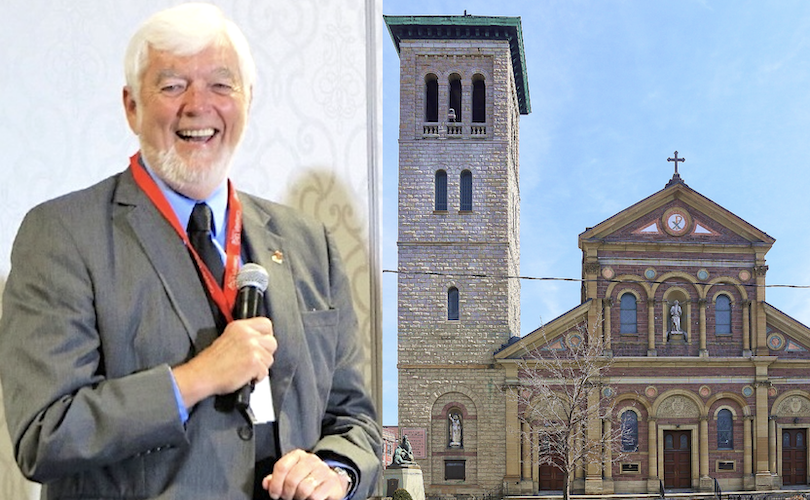
Jim Hughes spent more than four decades at the center of the pro-life fight, shaping activism and strategy in Canada and beyond, and his funeral mass brought crowds who wanted to honor a man they called a pastor to the movement.
Jim Hughes was a force of nature in the pro-life community, steady and relentless in ways that moved people to action. He built organizations, mentored new leaders, and never hid the fact that his work was rooted in deep conviction. Conservatives who value life and liberty saw in him a model of faith turned into effective public work.
He understood how to turn belief into organized action, and he did it without pretension. His confidence helped ordinary volunteers feel capable of making a difference, and that confidence spread across provinces and borders. That kind of leadership is rare because it demands both heart and discipline.
Hughes mixed pastoral care with political savvy, and the results were visible in legislation fights and in the courtroom. He supported local clinics and national campaigns alike, always keeping the human dignity of the unborn at the center. For those on the right, his approach confirmed that moral clarity can be matched with practical strategy.
The funeral mass was not just a ritual for friends and family, it was a public moment that underscored the movement he helped build. People gathered to remember a man who refused to accept the status quo, and they left resolved to carry on. That kind of continuity matters when causes need new champions and new tactics.
Hughes’s international work made him a bridge between Canadian conservatives and allies overseas, which amplified wins and shared lessons. He respected grassroots energy while also navigating institutions that often move slowly. Republicans recognize the value in leaders who can combine local passion with global perspective.
He trained volunteers to lobby, to speak with clarity, and to run campaigns that mattered. Those practical skills translated into courtroom briefs, rallies, and legislative wins that shifted the political terrain. For many activists, the training he provided was the difference between good intentions and measurable impact.
Jim showed how faith communities can be a powerful civic resource when they organize respectfully and relentlessly. He insisted that activism include service, counsel, and community support for mothers and families. That balance is central to a conservative vision that values both freedom and responsibility.
Across decades of cultural change, Hughes remained adaptable without abandoning principles, and that steadiness earned him respect even from opponents. He faced legal challenges and public backlash but stayed focused on long term goals rather than short term headlines. Persistence, not panic, became his signature strategy.
At the funeral, stories poured out about small moments that mattered, the quiet letters, the midnight phone calls, the unexpected generosity. Those anecdotes reveal the human side of political work, the relationships that sustain movements over time. Voters and activists who admire grit saw in those moments the kind of leadership that lasts.
Looking ahead, his legacy hands a clear assignment to the next generation: organize harder, speak plainly, and support families in tangible ways. The pro-life cause will need that mix of moral clarity and operational skill if it is to keep winning hearts and laws. Republicans who care about life should see this as a call to steady, disciplined action.
Jim Hughes’s life was a study in how conviction meets competence, and his funeral mass was a fitting tribute to decades of disciplined service. People leaving that ceremony carried not just grief but a renewed determination to do the work he modeled. The movement he helped build will be judged by how well it turns that determination into sustained, effective effort.
