
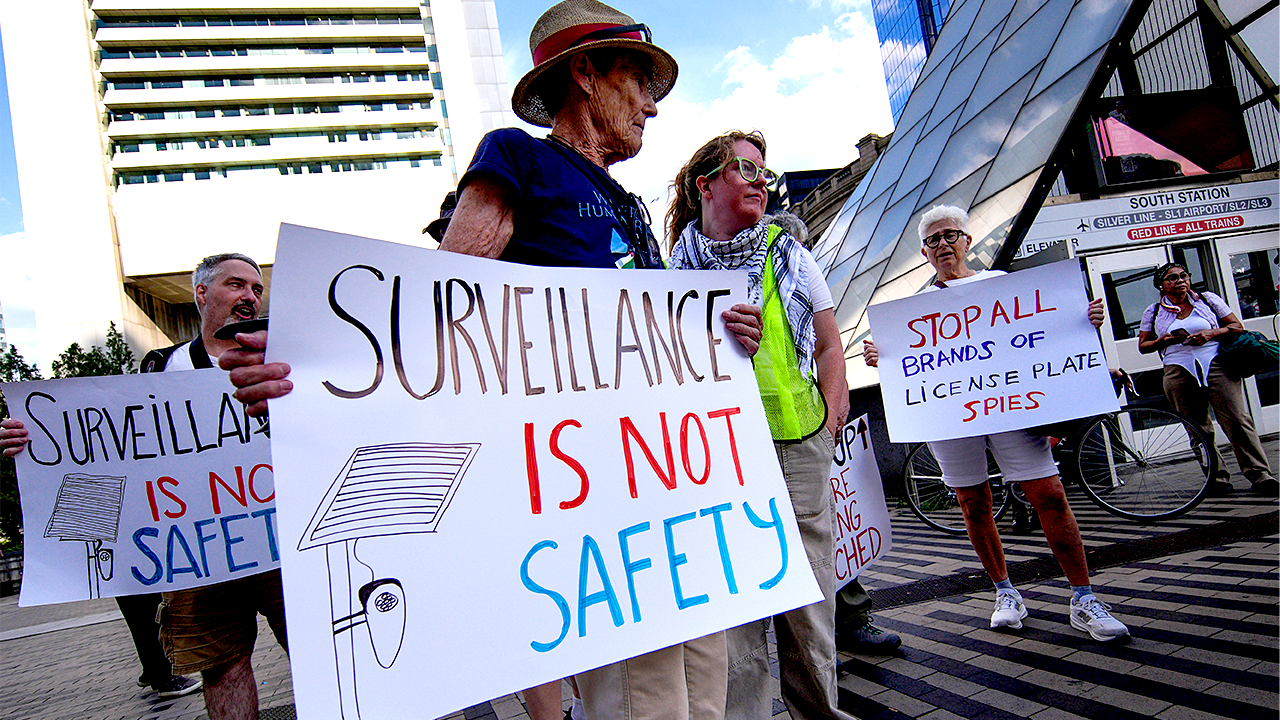
• Protest networks pushing back on data centers and surveillance cameras
• China’s rapid buildout of AI infrastructure and the race for physical power
• OpenAI’s shifting answers about Donald Trump and democracy threats
• New York City’s move to block generative AI in younger grades
• The economic and national security stakes tied to AI growth
Data centers, surveillance, classroom AI rules, and the global race for computing power are all colliding in one loud, messy fight. On one side are activists trying to slow construction and shape the public debate. On the other are companies, policymakers, and national security voices warning that hesitation could hand hard-won advantages to rivals overseas.
One of the biggest flashpoints is the backlash against data centers and Flock cameras. The same activist ecosystem that has fueled street protests and broad anti-establishment campaigns is now throwing itself into these local fights, turning zoning hearings and neighborhood meetings into national battlegrounds. Supporters of the projects say the outrage often ignores what is really at stake: the infrastructure needed to keep AI systems running and the security tools that help police and communities respond faster.
The deeper worry goes far beyond one county or one city. AI does not live in the cloud in some magical sense, because it needs land, power, fiber, cooling, and constant construction to stay alive. That means the AI race is also a race for substations, transmission lines, and enough electricity to keep huge facilities online without grinding the grid down.
China has been moving aggressively on that front, pouring resources into the data centers and energy systems that support its own AI push. That matters because Beijing’s edge is not just about software tricks or flashy demos, but about how quickly it can put steel and concrete in the ground. If one side can build faster, cheaper, and at larger scale, the competitive gap can narrow in a hurry.
That is why warnings about slowing domestic development keep getting louder. The concern is not some abstract tech rivalry, but whether America keeps the backbone of its AI economy at home or lets opponents catch up while local communities stall projects one hearing at a time. Jobs, tax revenue, and supply-chain growth are all wrapped into the same debate, which is why the issue keeps punching through the political noise.
OpenAI’s ChatGPT also entered the conversation after a study found it originally labeled President Donald Trump as a major threat to democracy when prompted, before the response changed after Fox News Digital followed up. That kind of shift says a lot about how these systems work and how quickly their outputs can bend depending on the prompt, the framing, or the safeguards around them. It also feeds a bigger argument about bias, trust, and whether people are getting neutral answers or carefully managed ones.
At the same time, New York City is moving in the opposite direction on AI inside schools. Mayor Zohran Mamdani announced that public school students below ninth grade will not be allowed to use generative AI for at least a year, a decision that reflects just how wary some leaders remain about handing powerful tools to younger students. For some families, that sounds cautious and sensible. For others, it feels like the city is freezing a technology that is already changing how kids learn, write, and search for answers.
Even the strongest critics of AI tend to run into the same hard reality: the technology is not going away, and the country’s future will be shaped by how it is built, regulated, and defended. That is why the fight keeps spreading from the classroom to the power grid to the national security realm. Each new flashpoint adds another layer to a bigger story about who gets to set the rules, who pays the bill, and who ends up holding the advantage when the dust settles.

1 Comment
ALL to aid CCP rise in AI & rule AI vs competition
We lose with Data Center war