
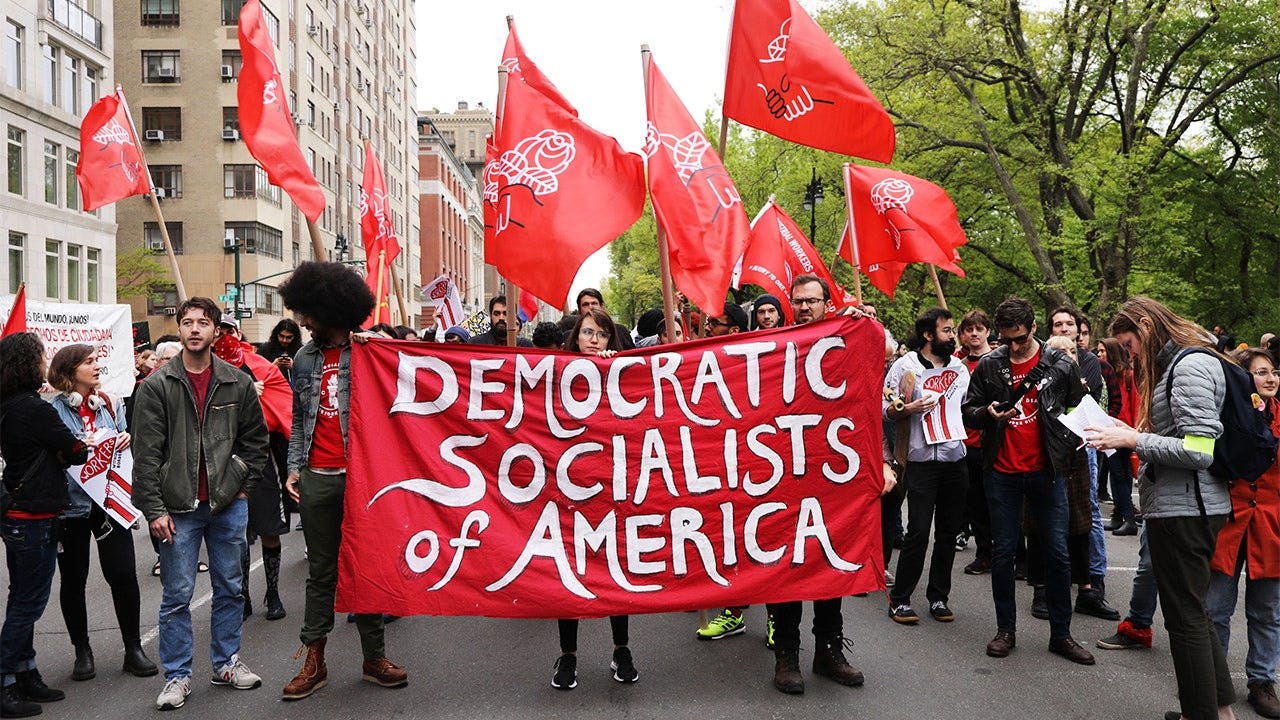
Florida’s top law enforcement office has put the Democratic Socialists of America under a bright spotlight, opening a subpoena-driven probe into whether the group may have taken money tied to foreign governments. The focus is on possible donations connected to Cuba and China, along with whether recent overseas activity opened the door to improper influence. It is the kind of investigation that lands hard, especially when foreign money and political activism end up in the same sentence.
Attorney General James Uthmeier said the state’s rules bar contributions from “foreign sources of concern,” and he framed the case as a line in the sand. In a video statement, he made the argument plain: Florida will not sit back and let outside powers work through nonprofits or fundraising channels to shape policy or politics. That message gives the investigation a sharp edge and signals that his office is not treating this as a routine paperwork check.
The subpoena reportedly asks for records tied to DSA trips to China and Cuba, including material related to meetings with Cuban officials. Investigators want to know whether those delegations were just political tourism or something more troubling, especially if they helped build relationships that could cross legal lines. The state is also looking at whether the organization may have violated Florida’s Deceptive and Unfair Trade Practices Act, which broadens the stakes beyond simple fundraising questions.
Uthmeier did not point to specific criminal charges or single out any individual for wrongdoing. That leaves the probe in a serious but still developing stage, with the state gathering facts before making any bigger accusations. Even so, the mere fact that a subpoena has been issued tells plenty about how aggressively Florida is approaching the issue.
The DSA’s public posture has long been friendly toward the Cuban regime, and the group has repeatedly pushed for ending American sanctions and the embargo on Havana. That history matters because it adds political context to the state’s interest in the organization’s contacts and funding streams. When an activist group praises a foreign government while sending delegations there, questions about influence and independence tend to follow fast.
Recent trips by DSA members have only sharpened that scrutiny. During a 2023 visit, members reportedly met privately with Cuban President Miguel Díaz-Canel and tried to open formal lines of communication with government ministries, according to a State Department report released in July. Those kinds of meetings are exactly why watchdogs get nervous, since they can blur the line between advocacy and foreign alignment.
The timing is also awkward for the group because the subpoena landed shortly after a strong election cycle for candidates backed by the DSA. Those wins gave the organization more visible political muscle, which makes any whisper of foreign-linked support a much bigger story. In politics, momentum is great until it starts attracting subpoenas.
For Florida officials, the issue is bigger than one organization. The core concern is whether foreign governments can quietly funnel influence into American politics through activist networks that claim to be independent and grassroots. That question is not going away anytime soon, and the subpoenas are likely to keep the pressure on while the state digs through the paper trail.
