
Quick look: a classic race landed in a new spot, a fresh champion took the spotlight, people debated the move, and the sport had to reckon with tradition versus practicality. This article walks through the upset, the venue change, what it means for fans and the industry, and the possible road ahead for the Preakness Stakes.
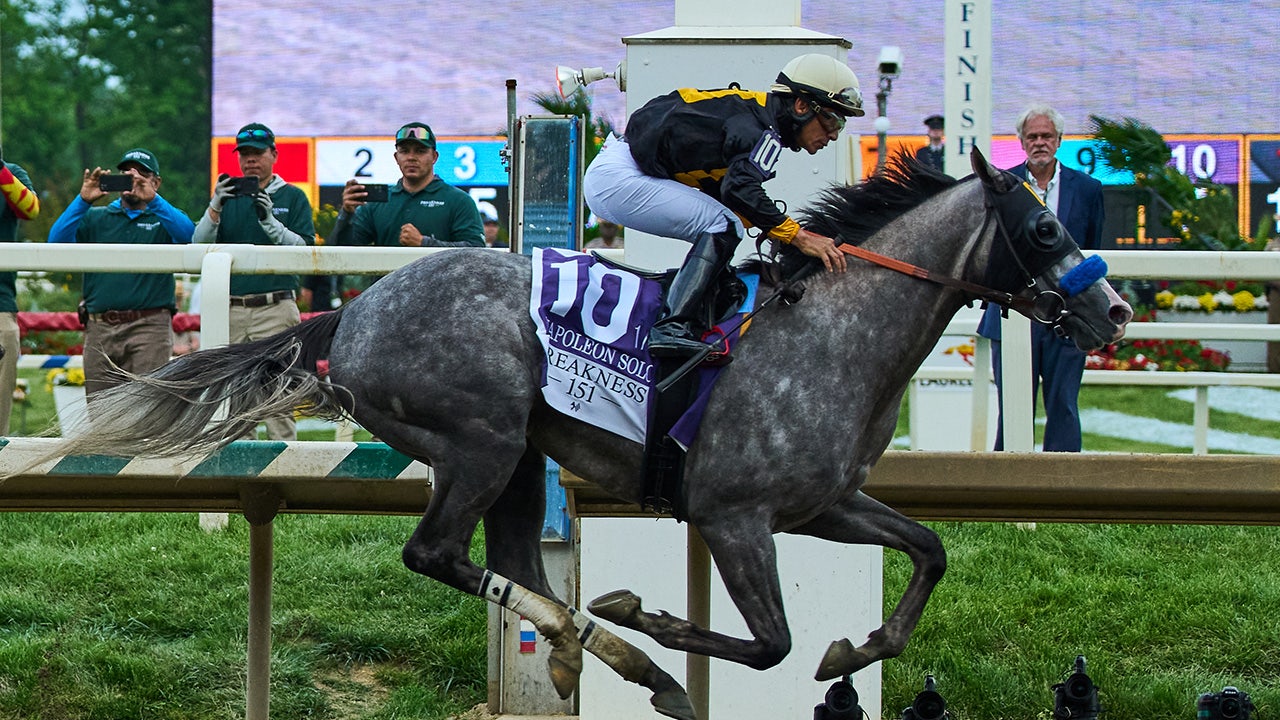
“Napoleon Solo won the Preakness Stakes on Saturday, which took place away from Pimlico Race Course for the first time in 151 runnings of the race.” That line lands heavy. It marks a rare break from a track that had been almost synonymous with Maryland spring racing and forces a rethink of how tradition and logistics collide in modern sport.
The horse that crossed the wire first did more than win a race. Napoleon Solo stepped into a moment that felt both historic and strange, because the setting was different even if the stakes felt the same. For casual fans and diehards alike, the sight of the Preakness banner at a new venue was a reminder that sport evolves whether we like it or not.
Moving the Preakness was not trivial. Pimlico carried decades of stories, from underdog thrills to generational memories. Shifting locations raises questions about atmosphere, turnout, and how history travels with a fixture when its home changes. People will debate whether the spirit of the event moved with the trophy or stayed behind in Baltimore.
On the practical side, organizers had to recreate the ceremony, the hospitality, and the fan experience in a place not built for Preakness pageantry. That matters because a race is more than a list of final times. It is the crowd, the traditions, the vendors, the pre-race buzz and the after-race rituals that frame the sport and keep attention on it year after year.
For owners, trainers and bettors, venue changes affect strategy. Different track surfaces and configurations can shift how a race unfolds, turning favorites into outsiders and vice versa. Napoleon Solo’s victory will get scrutinized through that lens. Analysts will look at split times and track conditions, trying to determine how much the location altered the expected outcome.
Fans responded on social media and in the stands with a mix of nostalgia and curiosity. Some mourned the loss of familiar sightlines and local flavor. Others treated the change as a refreshing moment, a chance to introduce new crowds to the Preakness story. Either way, the conversation itself becomes part of the event’s legacy for this running.
The longer term matters too. If the Preakness can move without losing its identity, organizers might have more flexibility when venues need upgrades or when scheduling conflicts appear. If not, pressure will grow to restore the event to its traditional home as quickly as possible. For now, Napoleon Solo gets the headlines and the trophy, but the racing world will be watching what this change means next season.
