
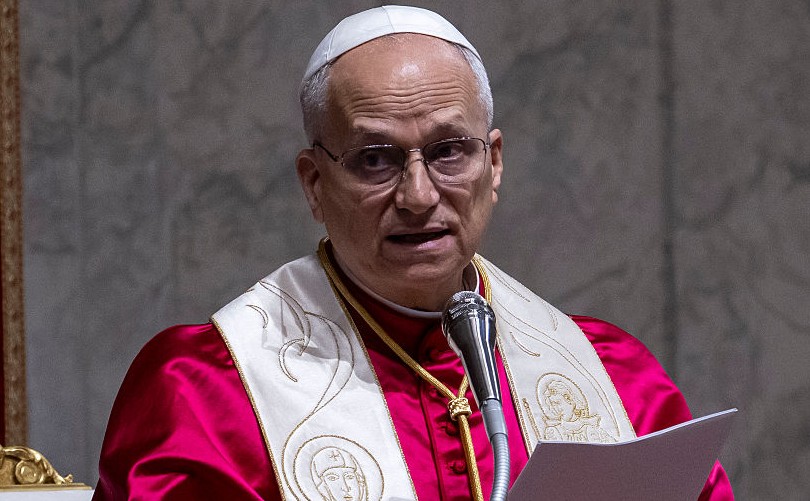
Pope Francis used his homily in Angola to warn against mixing local superstitions with Catholic practice, repeating a concern he voiced three days earlier in Cameroon. His message focused on the risks of confusing cultural customs with core Christian teachings and the need for clear catechesis. The remarks aim to draw a line between respectful cultural expression and practices that can distort the faith.
Speaking to congregations in Angola on Sunday, the pope emphasized that faith grows healthiest when it is rooted in coherent doctrine and sincere worship. He cautioned that blending unrelated spiritual practices into Catholic rites can create confusion about what the Church actually teaches. The tone was pastoral but firm, underlining a consistent pastoral priority.
Syncretism, in this context, refers to the fusion of Catholic rituals with traditional or superstitious customs that carry different meanings. When rituals meant for one belief system are folded into another, they risk changing the message of the sacraments and the identity of believers. That theological slippage is what the pope warned against in both African stops on his tour.
The pope had delivered a similar warning in Cameroon just a few days earlier, making it clear that this was not an isolated observation but a recurring pastoral concern. Repeating the point in two countries highlights that the issue appears across different communities and is worth sustained attention. It also signals a desire for consistency in how the Church addresses cultural adaptations everywhere it ministers.
Africa’s religious landscape has long been shaped by encounters between indigenous beliefs and Christianity, producing a variety of local expressions. Many of those expressions enrich worship and help communities make the faith their own, while others blur doctrine and introduce elements incompatible with Catholic teaching. Distinguishing between healthy inculturation and harmful blends requires careful theological and pastoral judgment.
For priests and bishops, the pope’s remarks point toward a renewed focus on catechesis that explains why certain practices belong to Catholic worship and others do not. Pastoral ministry needs to respect cultural dignity while keeping the essentials of faith clear and intelligible. That balance is delicate but necessary to preserve both unity and truth within local churches.
Reactions among the faithful are likely to vary: some will welcome a call for clarity and stronger formation, while others may feel their local traditions are under scrutiny. That tension often prompts dialogue about what can be adapted without compromising doctrine, and what must be set aside because it conflicts with core Christian claims. Open conversation led by local leaders can help move communities toward a shared understanding.
Practically speaking, bishops’ conferences and seminaries may respond with more focused training on inculturation, liturgical norms, and catechetical materials tailored to local realities. Lay movements and parish leaders will also play a role in discerning how cultural elements fit into parish life without replacing central teachings. The pope’s comments offer a prompt for institutions and communities to revisit how they hand on the faith.
Ongoing discussions will need to weigh respect for cultural identity against the Church’s responsibility to safeguard the Gospel message in clear, comprehensible terms. That task involves listening to local voices, applying sound theological criteria, and offering formation that deepens understanding rather than simply policing practice. The conversation the pope encouraged is meant to be constructive, focused on strengthening faith rather than erasing legitimate cultural expression.
