
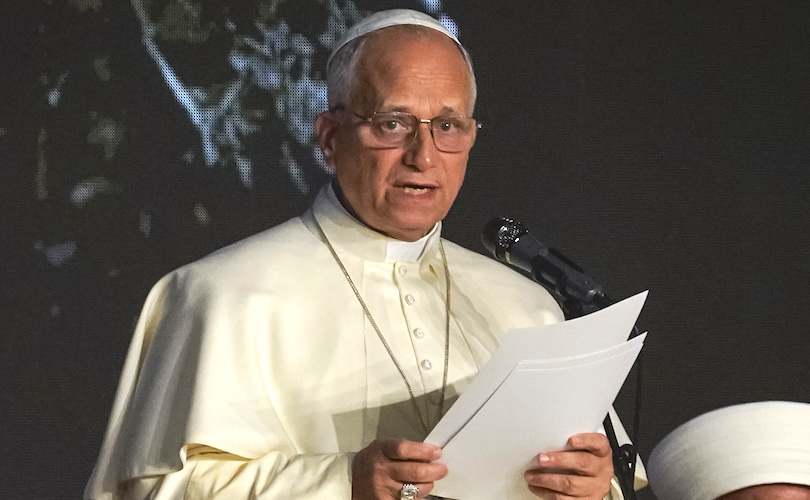
Pope Leo has issued a heartfelt appeal to the Society of Saint Pius X over plans to consecrate bishops outside the usual Vatican process, and his message presses for restraint and unity. The plea lands amid tension over authority, tradition, and the integrity of Church order, and it raises wider questions about how bold moves by breakaway groups affect the faithful. This article looks at the plea, why it matters, and what it signals for conservative Catholics watching these developments closely.
The Pontiff’s direct words carry weight in any church context, and they are being read as more than a pastoral nudge. For many conservatives, the stakes are clear: unauthorized consecrations threaten the canonical order that holds the Church together. When authority slips into ad hoc moves, the result is confusion among bishops, priests, and parishioners who crave clarity and consistent leadership.
‘I plead with you and ask you with all my heart: please turn back!’ the Pontiff wrote. Those words are vivid and personal, not a sterile bureaucratic note. They aim to stop an escalation that could harden lines and make reconciliation harder, and they underline an expectation that disputes are resolved through dialogue rather than unilateral action.
The SSPX has long been a flashpoint between traditionalist Catholics and the Vatican, and this moment tests both parties. From a Republican viewpoint, respectful disagreement should not spill into acts that undermine institutional norms. Conservatives who care about order and tradition will tend to side with measures that protect the Church’s structures rather than celebrating moves that could split communities further.
There is also a political dimension that cannot be ignored, even when the issue is religious. Moves that appear to sidestep established authority can set precedents that ripple beyond ecclesiastical life, feeding a broader narrative about institutions and their resilience. Republicans generally value stable institutions and predictable rules, so when a major religious actor warns against rogue behavior, it resonates with those instincts.
Practical consequences matter. Bishop consecrations carried out without Rome’s blessing can create sacramental and legal ambiguities, affecting everything from clerical assignments to the recognition of sacramental acts. Ordinary Catholics are left wondering which pastoral directives apply, and parishes can fracture along lines of allegiance rather than faith practice, which nobody wants.
There is a path forward without surrendering principles. Honest negotiations, mediated discussions, and carefully negotiated guarantees can address doctrinal concerns while preserving unity. Conservatives who favor both tradition and institutional integrity should push for transparent talks that protect liturgical heritage while respecting canonical procedures.
At the end of the day this is about leadership and responsibility. The Pope’s plea is as much a call to humility as it is a demand for order, and responsible actors on both sides should recognize that dramatic, unilateral moves seldom heal longstanding wounds. The challenge now is to translate that plea into concrete steps that keep the Church whole and faithful communities functioning without chaos.
