
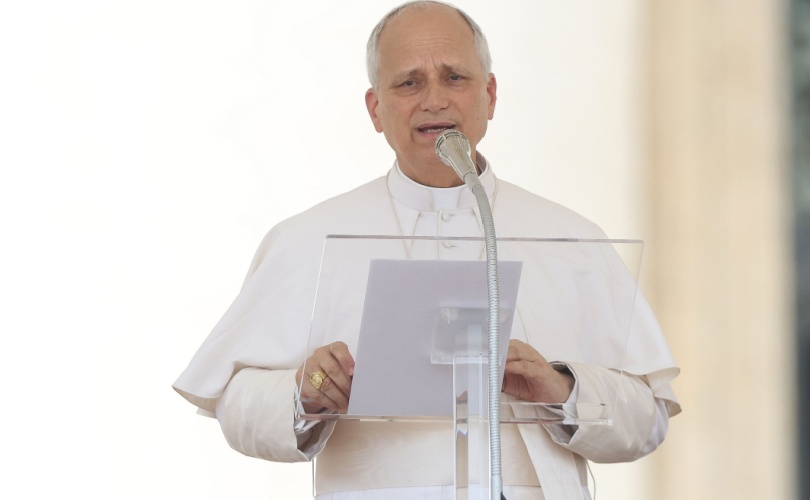
The pope urged the Papal Foundation to consider expanding its financial backing for the Church’s missionary work, even as the foundation announced a record $15 million in grants for 2026; the tone was one of encouragement for greater generosity and strategic giving to support evangelization worldwide.
The leader of the Catholic Church spoke directly to donors and trustees about the importance of supporting the Church’s evangelical mission, calling attention to how funds can amplify outreach and pastoral care. His remarks landed as the Papal Foundation revealed a historic grant allocation for the coming year, signaling both confidence and responsibility. That combination of encouragement and accountability set the room talking about priorities and impact.
The foundation’s decision to approve $15 million in grants for 2026 marks a high point in its grantmaking, and the pope’s words pushed the conversation from preservation to expansion. Donors were asked to be open to increasing their support, not merely to sustain programs but to help the Church reach more people and address urgent needs. It was a sharp reminder that philanthropy can be both steady and bold when guided by clear mission goals.
Evangelization has many faces today, from parish-level catechesis to global relief efforts and media outreach that speaks to new generations. The pope emphasized that funds targeted to these efforts can multiply the effect of ministry by equipping clergy, supporting lay leaders, and enabling modern communications. Where resources meet creative pastoral strategy, the Church can meet cultural shifts with clarity and confidence.
Trustees at the foundation heard a call to think beyond immediate necessities and toward long-term influence, including vocations, education, and formation programs that build resilience in local churches. The message suggested a balance between urgent humanitarian responses and sustained investments that bear fruit over years. People giving to the Church were reminded that a well-planned gift can change trajectories for whole communities.
Prudent stewardship came up as a central theme, with an appeal that increased generosity be matched by transparency and effectiveness in spending. Donors want to know how money translates into spiritual and material good, and the foundation’s grant process aims to show that link. When accountability is clear, trust grows and giving becomes a confident act rather than a leap in the dark.
International contexts vary widely, and the papal invitation acknowledged that some regions need basic infrastructure while others require new forms of outreach to skeptical or indifferent audiences. The foundation’s role is to channel resources where bishops and local leaders identify the most pressing priorities. That approach respects local wisdom while providing the support needed to implement bold initiatives.
There’s also a cultural angle: funding evangelization means engaging with modern tools and languages that reach people where they are. Digital media, formation for lay evangelists, and support for small community projects all offer high impact at relatively low cost. The pope’s suggestion to be open to increasing support nudges donors toward considering these modern avenues as worthy investments.
Donors left with a clear sense that generosity is an active choice that shapes the Church’s future, not just a passive duty to maintain existing structures. The combination of a record grant announcement and a papal nudge toward greater openness framed the conversation around growth, stewardship, and strategic mission. Decisions the foundation and its supporters make now will influence how the Church serves and speaks to the world in the years ahead.
