
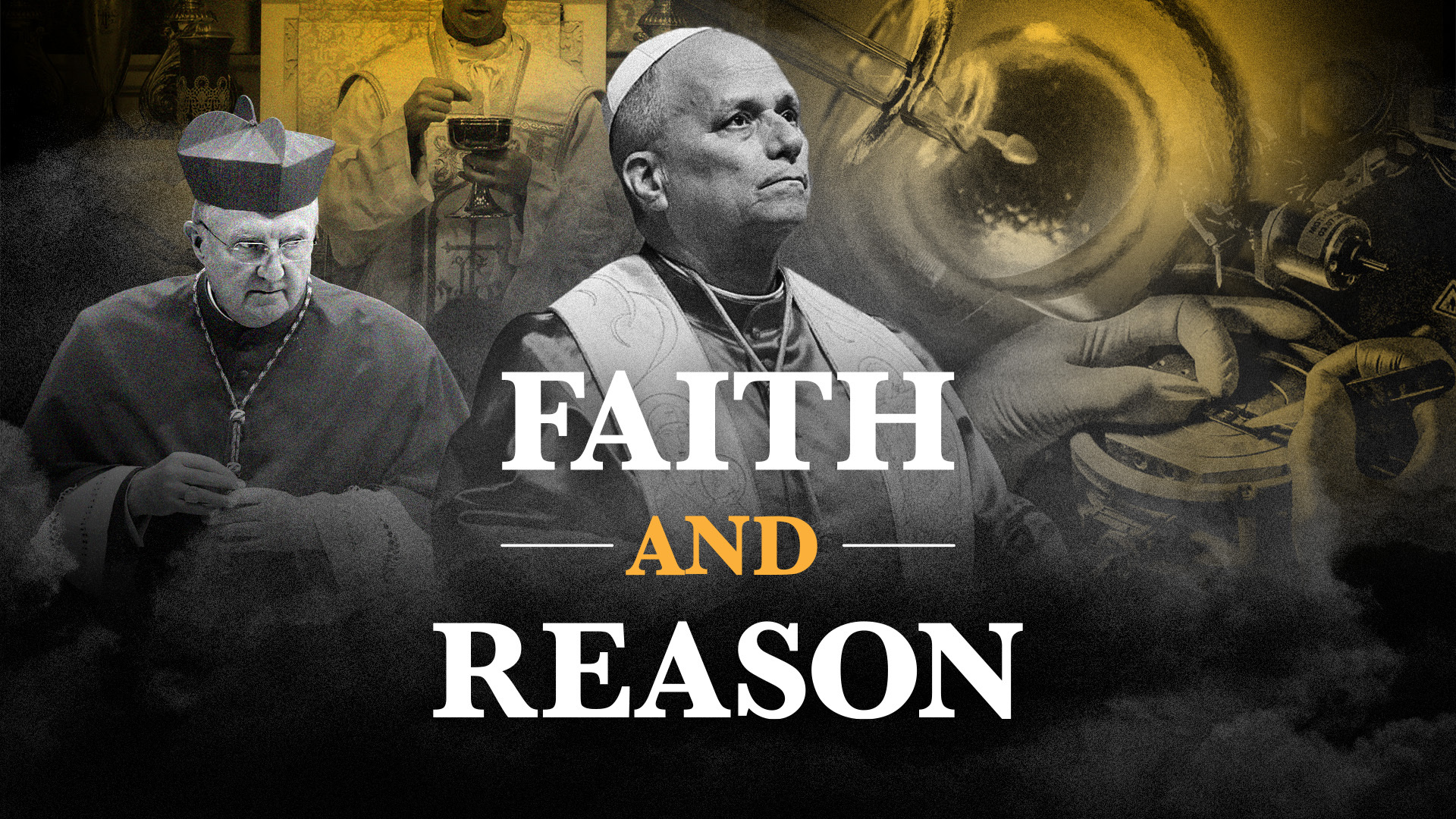
Reports surrounding Pope Leo XIV are fueling fresh concern among Catholics attached to the older Roman liturgy, especially after signs pointed to continued restrictions on the Traditional Latin Mass. The picture taking shape is not one of relief or reopening, but of a Vatican that seems determined to keep the pressure on traditional worship while sending a very different message about discipline, reverence, and priorities.
One of the sharpest points in the discussion is the sense that the Latin Mass is no longer just being limited in isolated places. It is being pushed further and further to the margins, with Cardinal Arthur Roche signaling continuity rather than any serious correction of past policy. That has left many traditional Catholics reading the situation as a deliberate effort to erase a form of worship that has carried generations of believers through the life of the Church.
That reaction is not coming out of nowhere. For many faithful Catholics, the Latin Mass represents more than a preference in language or ceremony. It stands for continuity with the Church’s heritage, a stronger sense of sacredness, and a visible break from the casual tone that has taken hold in much of modern Catholic life.
The controversy deepens when the conversation turns to the treatment of figures who defended older devotional practices. The grave of Bishop Juan Rodolfo Laise, known for his support of receiving Holy Communion on the tongue, reportedly still lacks a permanent headstone seven years after his death. To critics, that detail feels symbolic, like a quiet but unmistakable sign that reverence is being treated as disposable.
What makes the issue even more charged is the contrast between the Vatican’s strict stance toward traditional worship and its apparent ease with other public scandals. The discussion also points to reports that Pope Leo has kept a longtime papal tailor who is openly living in a same-sex civil union. That decision has been read by critics as a blunt reminder that some forms of disobedience draw little scrutiny while traditional Catholics are the ones being squeezed.
For many observers, that inconsistency is the real story. If the Church can move quickly against the Latin Mass, it raises obvious questions about why so much patience is extended in other areas where Catholic teaching appears to be openly contradicted. The result is a widening trust gap, especially among those who feel that discipline is being applied in a lopsided and highly selective way.
Supporters of the older liturgy argue that the fight is not really about nostalgia or aesthetics. It is about whether Catholic worship will continue to reflect awe, sacrifice, and continuity, or whether those things will be treated as obstacles to a new institutional agenda. That tension has become impossible to ignore as more signs point toward a hard line rather than any meaningful reconciliation.
There is also a broader cultural edge to the dispute. The old Mass has become a flashpoint because it attracts Catholics who want clarity, consistency, and a stronger sense of identity in a Church that often seems unsure of itself. When that group feels targeted, the message lands far beyond a single liturgical debate and cuts straight into questions about who gets to define Catholic life.
Even the smaller details in this controversy carry weight because they feed the larger pattern. A missing headstone, a retained tailor, and continuing limits on the Latin Mass may sound unrelated on the surface, but together they point to a church leadership style that critics view as deeply uneven. The frustration comes from seeing tradition treated as a problem while public contradiction is waved through with little drama.
That is why the debate around Pope Leo XIV is not fading anytime soon. Catholics who value the old rite are watching closely, and every signal from Rome seems to confirm their fear that the pressure will keep building instead of easing. With each new report, the divide between tradition and the current Vatican direction looks less like a passing dispute and more like a defining fault line.
