
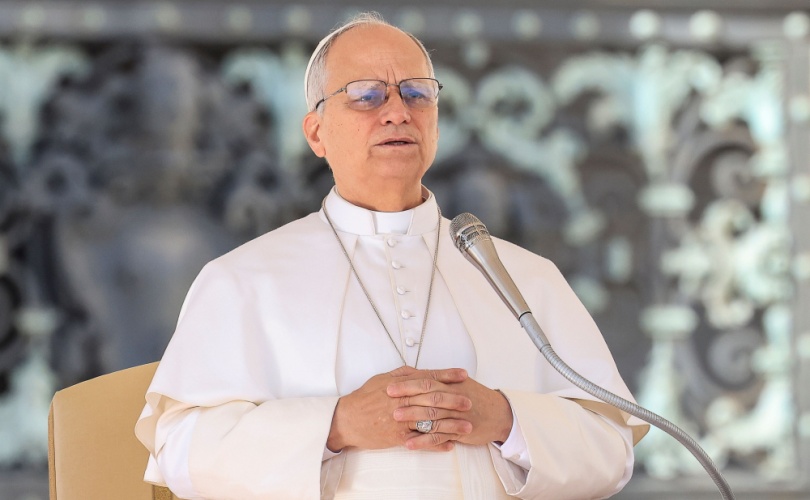
Pope Leo XIV’s first-year controversies over LGBT issues have stirred sharp debate, centered on a high-profile meeting with a pro-LGBT religious figure and a Vatican synod final report that some read as saying homosexual relationships are not sinful. This piece looks at what happened, why it matters for Catholics and conservatives, and why clarity on doctrine and pastoral care is suddenly a flashpoint. The tone here is straightforward and critical, reflecting a conservative concern that long-standing moral teachings are being blurred. Expect a tight look at the implications without detours or cheerleading.
The meeting in question involved a well-known religious sister who openly supports LGBT causes, and her presence beside the pope sent an unmistakable message to observers. For many conservatives, the optics were more than awkward; they felt an established boundary between pastoral outreach and doctrinal endorsement was being crossed. When a pope sits beside someone publicly aligned with causes that challenge traditional moral teaching, people read it as an imprimatur whether that was intended or not.
Then there is the synod final report, a dense document that raised eyebrows because of language some interpreted as softening the Church’s stance on same-sex relationships. The ambiguity matters because Catholics look to Rome for consistent moral teaching, and when official texts use softer phrasing, parish priests and bishops are left guessing. That fog of interpretation can create uneven practice across dioceses, with some communities feeling liberated and others feeling betrayed.
From a conservative perspective the concern is not about mercy or compassion; it is about the clarity of truth. Mercy and fidelity are not opposites, and many conservatives insist that pastoral care should never undercut moral clarity. When leadership appears to tilt toward cultural accommodation, it risks teaching that longstanding moral norms are negotiable rather than rooted in scripture and natural law.
There are practical consequences beyond abstract theology. Priests and catechists need clear guidance to form consciences faithfully, and parents deserve to know what their parishes will teach their children. Confusion at the top cascades down through parishes and schools, and it can erode trust among the faithful who turn to the Church for steady moral leadership. That erosion plays into broader cultural battles where institutions are pressured to conform to prevailing social trends.
Political implications are unavoidable. For voters and policymakers who look to religious leaders for moral anchors, mixed signals from the Vatican complicate alliances and policy positions. Conservatives who defend religious liberty worry that a Church perceived as shifting its stance will have less moral authority when arguing for protections for religious institutions that hold traditional views on marriage and family life.
There is also the matter of internal Church dynamics. Bishops who want to maintain traditional teaching must balance fidelity with the need to minister to people who live complicated lives. That balancing act is delicate; if Rome’s signals suggest doctrinal flexibility, some local bishops may feel pressured to liberalize pastoral practice, while others dig in, producing fragmentation rather than unity.
For many Catholics who care deeply about the faith, the hope is simple: clear teaching, consistent pastoral care, and transparency about why the Church holds its positions. Questions about pastoral outreach require answers that do not blur moral lines, because loving people does not mean erasing distinctions that matter. Conservatives argue that a renewed emphasis on catechesis, clear pastoral guidelines, and a firm restatement of moral principles would calm the current unrest.
The debate around Pope Leo XIV’s actions and the synod report is less about personalities and more about the direction of the Church’s moral compass. Conservatives see this moment as a test: will the Church stand firm in its teachings, or will it quietly accommodate shifting cultural norms? The answer will determine not only internal cohesion but also the Church’s voice in public life for years to come.
