
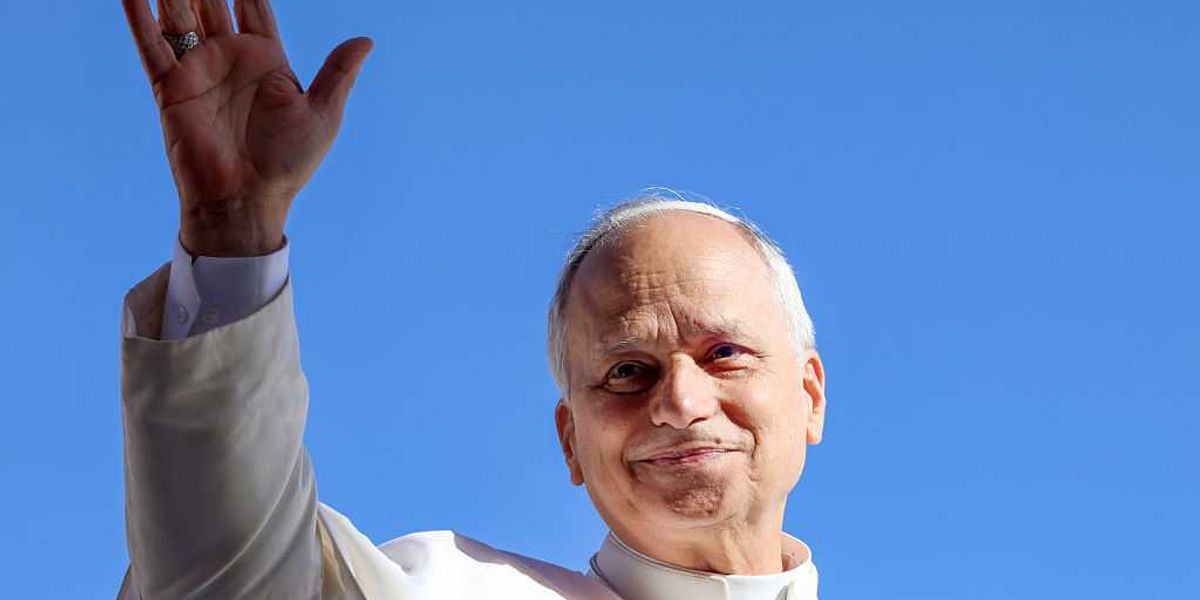
Pope Leo XIV’s visit to the Grand Mosque of Algiers pushed a simple, hopeful message: find common ground and work for peace. The trip highlighted mercy, solidarity, and a desire for concrete fraternity, but it also raised questions about whether emphasizing unity obscures deep theological differences and a long, often violent history. This piece looks at the balance between respectful outreach and frank talk about what separates Christianity and Islam.
The pope’s words in Algiers were warm and deliberate, meant to build bridges in a fragile world. Calling for compassion and rejecting violence is both pastoral and politically useful when leaders try to ease tensions. Still, praise for common values can make hard facts feel invisible, and those facts matter.
The encounter between the papacy and Islam is not new. It goes back more than thirteen centuries, to a time when the rise of Islam reshaped the Mediterranean and transformed formerly Christian lands. Many of the defining chapters in that long story were battles and sieges rather than conversations, and those memories live on in institutions, liturgies, and collective identity.
From the Crusades to the fall of Constantinople and naval confrontations like Lepanto, history recorded clashes that had deep political and religious consequences. Those events are not merely footnotes; they inform how communities remember each other. Ignoring that past does not make it disappear, and it complicates any claim that shared values are the whole story.
The Catholic Church changed its tone significantly in the 1960s with the Second Vatican Council. Nostra Aetate called for respect toward Muslims and invited cooperation on justice and peace, reshaping official Catholic language about interfaith relations. That document marked a deliberate move from confrontation to respectful engagement.
The Catechism later reinforced that shift, describing Muslims as worshipping “the one, merciful God” and placing them within God’s wider plan. That phrasing was striking given centuries of conflict and shows how much the Vatican prioritized reconciliation. Yet respectful vocabulary does not eliminate doctrinal gaps that remain central to each faith.
Those gaps are substantial and cannot be reduced to small disagreements. Islam rejects the Trinity, denies Jesus’ divinity, and does not accept salvation as anchored to the cross and resurrection. These differences shape theology, worship, and how each religion understands human destiny, not just a few peripheral doctrines.
Past popes have navigated this tension in different styles. Pope St. John Paul II made a historic mosque visit in Damascus and even kissed the Koran, a gesture some hailed and others questioned. That episode showed how symbolic acts can open doors but also stir debate about whether symbolism confuses or clarifies identity.
Pope Benedict XVI argued for a dialogue rooted in truth and reason, not only in goodwill. He insisted that religious freedom and honest debate about differences are essential to genuine peace, especially where Christians face legal or social limits in some countries. Those concerns remain relevant when reciprocal freedoms are uneven around the world.
Pope Leo’s focus on fraternity is understandable and admirable in many ways, especially given global tensions and violence. Calls for mutual respect can defuse hostility and encourage cooperation on humanitarian issues. Yet emphasizing harmony without addressing reciprocity and legal realities risks presenting a partial view of the relationship between religions.
“Real dialogue, if it is to be more than symbolic, requires more than shared language about peace and dignity. It requires clarity.”
The official Catholic position tries to strike a careful balance: respect for Muslims, rejection of hatred and violence, and an insistence on the uniqueness of Christ and the gospel. Those commitments are not mutually exclusive on paper, but living them out requires careful pastoral judgment and blunt honesty. The challenge is how to both affirm dignity and acknowledge irreducible differences that matter to believers.
Symbolic visits to places of worship can heal and humanize, yet they cannot substitute for addressing theological disagreement or unequal rights on the ground. Real engagement asks tough questions about religious freedom, conversion, and legal protections in different societies. Without that hard work, gestures may comfort some while leaving deeper problems untouched.
“Real dialogue, if it is to be more than symbolic, requires more than shared language about peace and dignity. It requires clarity.”
Visiting a mosque signaled a willingness to listen and to seek peace, and that willingness should be welcomed. At the same time, meaningful interfaith work needs space for truth claims, honest historical memory, and clear attention to the uneven state of religious liberty worldwide. Those elements will determine whether outreach is a beginning or merely a photo opportunity.
