
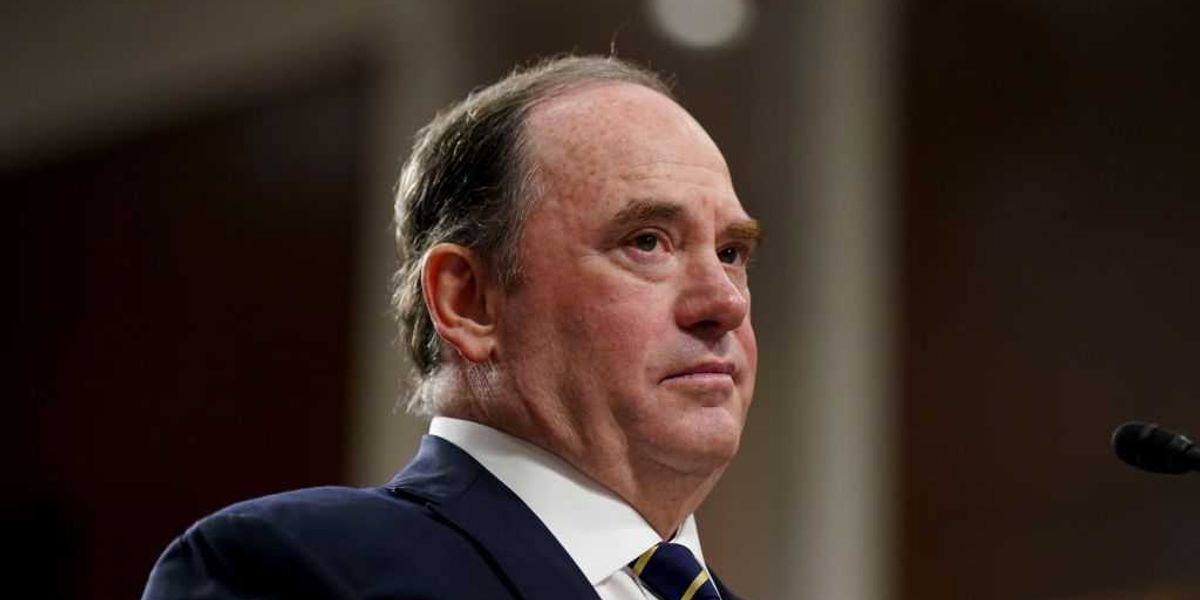
The Navy’s top civilian suddenly left his post during a tense naval blockade in the Strait of Hormuz, sparking questions about shipbuilding, internal leadership fights, and a direct presidential intervention. The Pentagon issued a brief statement, but reporting and sources close to the matter say the exit was anything but voluntary and tied to growing frustration over fleet readiness. An acting secretary has been named while the Navy and the Department of War adjust to a sudden leadership change amid ongoing operations. This shakeup highlights sharp demands from the civilian defense leadership for faster production of ships and clearer accountability inside the Pentagon.
“Secretary of the Navy John C. Phelan is departing the administration, effective immediately,” Parnell in a statement. The same Pentagon note said Undersecretary Hung Cao will step in as acting secretary while the department manages the transition, and officials offered terse thanks for Phelan’s service. “We wish him well in his future endeavors.” Those lines landed as sailors and commanders at sea continued to carry out the blockade without any public operational pause.
‘Some reports claim that Phelan’s departure was far from voluntary.’ Insiders say the split followed a long-simmering dispute over the speed and output of American shipyards, with civilian leadership demanding sharper results from contractors and program managers. Secretary of War Pete Hegseth had made shipbuilding a centerpiece of his agenda, pressing both companies and Pentagon teams to reduce delays and accelerate deliveries for the fleet.
Hegseth’s “Arsenal of Freedom” tour was billed as a hands-on push to see progress at factories and yards, visiting shipbuilding facilities and builders to “go hard, go fast.” The messaging from those visits was clear: the department needs hulls in the water sooner, and excuses won’t be accepted. That public pressure amplified tensions with Navy leadership, who argue that procurement is complex and bottlenecks often run deeper than a single office.
According to multiple accounts, Hegseth ultimately presented Phelan with a stark choice: resign or be removed. That kind of ultimatum in a high-stakes environment signals impatience at the top for measurable change, particularly in a moment when the Navy is expected to project strength and sustain prolonged operations. Whether seen as firm leadership or ruthless clearance of dissent, the move underlines a zero-tolerance stance toward perceived underperformance.
https://x.com/SeanParnellASW/status/2047064432564482188
Phelan reportedly pushed back, seeking clarity about whether the directive to step down had come from the president. He went to the White House, and, sources say, President Donald Trump confirmed Phelan would not continue in the job. For a Republican leadership that prizes decisive action, a private confirmation from the commander in chief closed the loop and set a new course at the department.
This departure is not an isolated personnel story; it follows a recent removal of Army Chief of Staff Randy George earlier in the same month, indicating broader churn across the Pentagon. Those moves reflect a pattern: civilians in charge are enforcing a higher bar for results and removing leaders who don’t match the urgency of current strategic demands. That approach reassures supporters who want a military posture driven by speed, production, and accountability rather than by inertia.
Operationally, the Navy must keep executing the blockade in the Strait of Hormuz while re-staffing a critical leadership slot, a tricky juggling act that tests both command continuity and institutional resilience. Behind the headlines, shipyards and program offices are under new scrutiny to deliver parts, frames, and finished ships on accelerated timelines. Expect more public-facing inspections and sharper oversight as the administration pushes to translate policy priorities into hardware at sea.
