
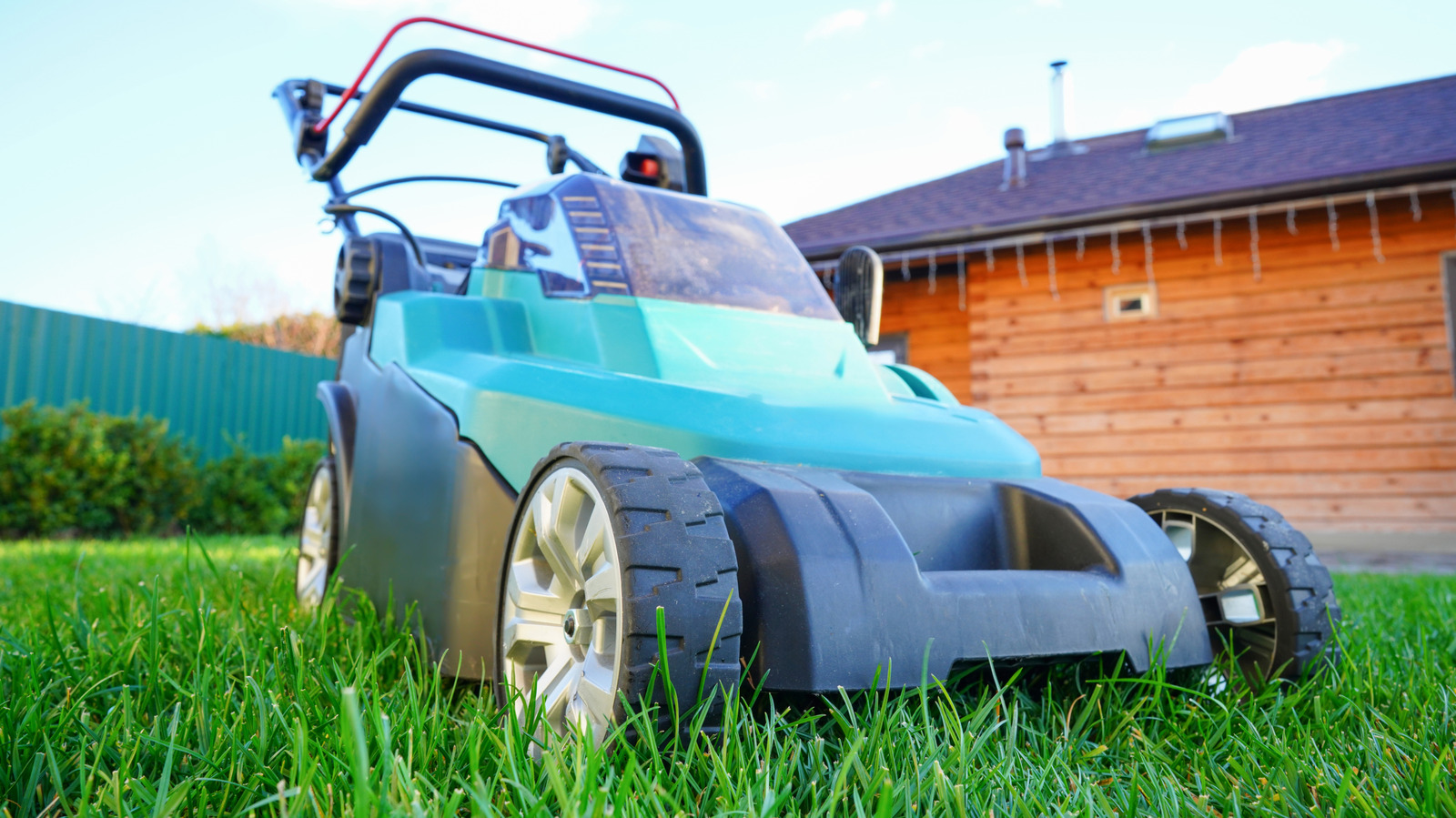
Plastic mower decks are showing up on more machines, and that change is worth a closer look. This article unpacks why manufacturers are leaning plastic, what you trade off compared with steel, and how those shifts affect longevity, performance, and value. Read on for a clear, practical take on whether a plastic deck is a smart buy for your lawn gear.
Plastic decks are marketed as lighter and rustproof, and those are real benefits in some settings. A lighter deck can reduce strain on the engine and make maneuvering easier, especially on smaller, battery-powered mowers. The rustproof claim also holds water for coastal or humid climates where steel decks are more prone to corrosion over time.
On the flip side, plastic can’t match steel when it comes to sheer toughness and impact resistance. Rocks, roots, and other hidden hazards in the yard have a better chance of cracking or gouging a plastic shell. Even a shallow nick in a steel deck usually limits itself to cosmetic damage, while a similar hit to plastic can mean warping or a structural failure that affects cutting performance.
Heat and UV exposure affect plastic differently than metal, and that matters for long-term shape and performance. Prolonged sun and engine heat can cause some plastics to become brittle or to sag, changing blade clearance and leading to uneven cuts. Steel decks keep their shape under heat and stress far longer, which is one reason pros still prefer metal for heavy-duty use.
Maintenance is where the debate gets practical. Plastic doesn’t rust and is easier to keep clean from clippings, but damaged plastic often requires full-panel replacement. With steel, a dent can be hammered out and repainted, and welds can be repaired by a qualified shop. That means repair options and lifecycle costs can favor metal when you factor in longevity and serviceability.
>
Manufacturers choose plastic for cost and weight savings, not necessarily because it’s objectively better for every homeowner. Lower production costs mean cheaper machines at retail, which appeals to budget-conscious buyers and entry-level models. But that upfront saving can be offset by shorter useful life and replacement parts down the road, especially if the mower sees rougher conditions than the manufacturer anticipated.
Performance differences show up in deck rigidity and airflow, which matter for bagging, mulching, and a consistent cut. A rigid steel deck tends to produce steadier suction and a cleaner throw, helping grass clippings discharge evenly. Plastic designs try to mimic that flow with internal shaping, but they often compromise somewhere between weight savings and functional airflow efficiency.
For light-duty homeowners who mow small, manicured lawns a few times a month, a plastic deck can be a perfectly reasonable choice. If your yard has lots of obstacles, tall grass, or uneven terrain, steel still wins for durability and repairability. Think about expected use: short, gentle sessions favor plastic; heavy, frequent use favors steel.
Environmental and end-of-life considerations are becoming part of the conversation too. Some plastics used in mower decks are recyclable, but recycling depends on local facilities and the specific polymer. Steel is highly recyclable and has an established scrap market, which can make metal decks a greener choice when you consider the full lifecycle of the machine.
When shopping, check the warranty, ask about replacement panel costs, and understand what the manufacturer expects for typical use. Look closely at where the deck mounts, how it’s ventilated, and how easily blades and belts can be serviced. These practical details often reveal whether a plastic-deck mower is engineered for light-duty convenience or sold as a cheaper alternative with hidden trade-offs.
