
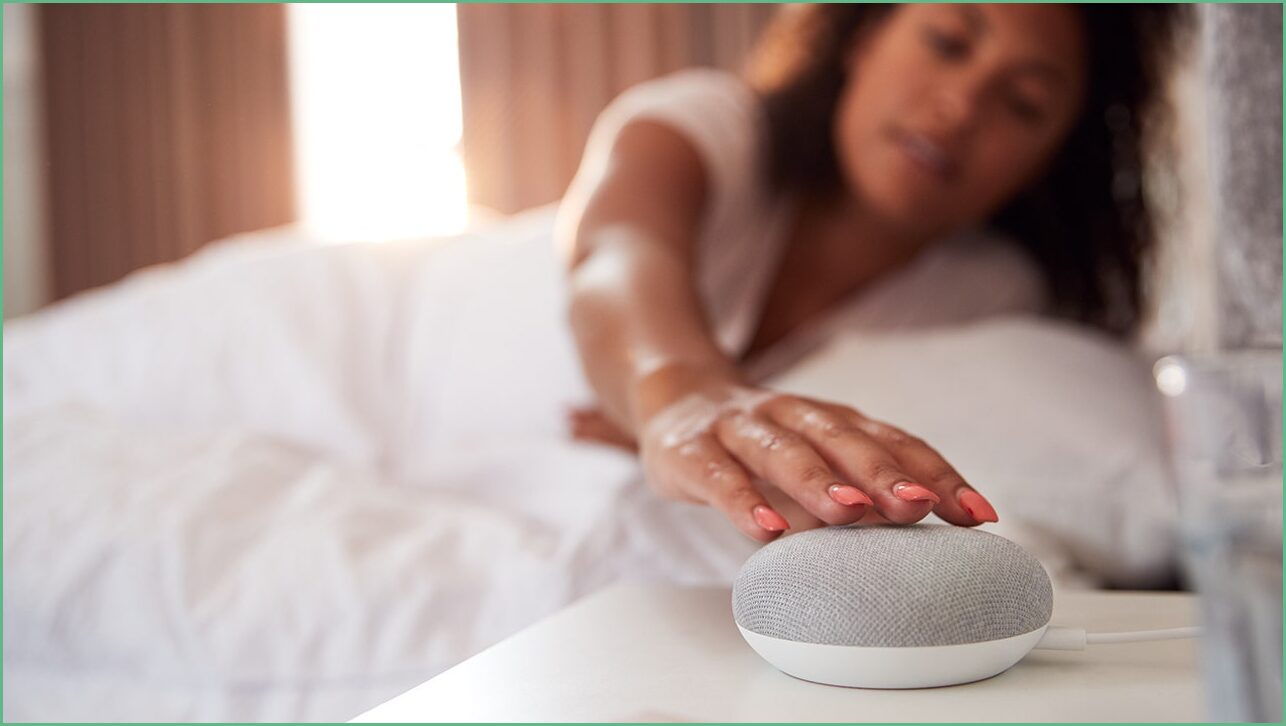
A new sleep lab study suggests that the popular practice of using sound machines, especially pink noise, may chip away at critical sleep phases, and simple earplugs might offer better protection against disruptive environmental sounds.
Researchers put 25 healthy adults through a week-long, eight-hour sleep simulation to see how different noises affected the night. They tested aircraft noise, pink noise, the two together, and aircraft noise paired with earplugs, tracking both objective sleep measures and how people felt in the morning.
The team found aircraft noise shaved roughly 23 minutes off deep sleep compared to quiet nights, a meaningful hit to the stage tied to physical restoration. Earplugs, by contrast, prevented this decline “to a large extent,” preserving much of the deep sleep lost to traffic and overhead noise.
Pink noise at around 50 decibels, similar to moderate rainfall, had its own downside: almost a 19-minute reduction in REM sleep. When aircraft noise and pink noise were combined, REM and deep sleep were “significantly shorter” and total awake time increased by about 15 minutes, an effect not seen with either noise alone.
Participants reported that nights with aircraft or pink noise felt different in a clear way: sleep seemed “lighter,” overall quality felt worse, and they woke up more often unless they had earplugs in. Those subjective reports lined up with the monitoring data, painting a consistent picture that constant background sound can change how the brain moves through sleep cycles.
Lead author Mathias Basner emphasized why this matters, noting REM sleep’s role in “memory consolidation, emotional regulation and brain development.” He warned that what many parents do with good intentions—placing sound machines near newborns or toddlers—could have unintended consequences for young brains that spend far more time in REM than adults.
There were some silver linings: pink noise did blunt certain interruptions from intermittent sounds, helping in situations where deep sleep and fragmentation were the main problems. Basner acknowledged the nuance, saying, “If low amounts of deep sleep and sleep fragmentations are someone’s main sleep issues, pink noise could be overall beneficial for them.”
Outside experts weighed in that the findings mark a “significant pivot” away from the blanket recommendation of sound machines. As one sleep clinician put it, while masking noise can hide disruptions, it can also become a constant stimulus the brain processes, and “The study suggests that pink noise acts as a continuous auditory load that specifically fragments and reduces REM sleep,” Lu summarized.
Different “colors” of noise matter because they hit the ear differently: white noise is “equal energy across all frequencies” and can sound like harsh static, brown noise is a “deep, bass-heavy rumble” similar to distant thunder, and pink noise is “perceptually balanced,” resembling steady rainfall. Those textures translate to how much the brain treats the sound as a problem to process during sleep.
The researchers noted limits: the sample was small, the trial short, and long-term effects of nightly pink noise use remain unknown. They urged caution, especially for kids, and offered practical advice: “Until we have more research, I would recommend that if somebody wants to use pink noise, they should do it at the lowest sound level that still works for them — and if falling asleep is the main problem, put the machine/app on a timer so that it shuts off after the subject falls asleep,” he advised.
“Overall, our results caution against the use of broadband noise, especially for newborns and toddlers, and indicate that we need more research in vulnerable populations on long-term use, on the different colors of broadband noise, and on safe broadband noise levels in relation to sleep,” Basner said.
“Also, I would probably discourage general use [for] newborns and toddlers until we have more information.”
