
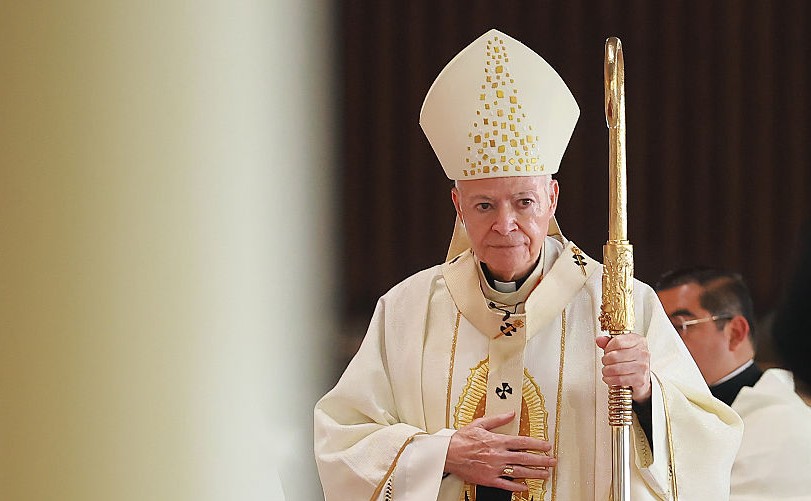
The removal of a petition that called for the removal of the rector at the Basilica of Our Lady of Guadalupe sparked immediate concern after it went live, with organizers saying complaints about the rector had been overlooked by the archbishop of Mexico. The petition accused the rector of ties to organized crime and asked Pope Leo to intervene, but the document was taken down shortly after launch. That rapid disappearance has left parishioners and observers demanding answers about transparency and accountability in one of Mexico’s most important religious sites.
The Basilica of Our Lady of Guadalupe is not just a church, it is a national symbol and a central place of devotion for millions. When questions arise about the leadership of such a shrine, they touch on faith and public trust at the same time. People expect clear, credible responses from church authorities when allegations surface.
The petition emerged from a group of concerned faithful who said their complaints met with silence from local leadership. They named the rector and alleged connections to organized criminal activity, asking the Holy See to step in where local channels failed. Its removal after a short time online has intensified the sense that something important is being hidden rather than addressed openly.
Those who pushed the petition say the archbishop of Mexico did not adequately investigate or respond to earlier warnings. That claim, whether sustained or not, points to a breakdown in communication between parishioners and diocesan leadership. The archdiocese has an obligation to explain how concerns were handled and whether proper procedures were followed.
The reaction among the faithful has been a mix of anger, confusion, and fatigue, with some people feeling betrayed and others calling for calm until facts are established. When trust is shaken at a major shrine, it ripples outward to affect broader perceptions of the Church’s governance. Calls for openness are growing louder because secrecy only deepens suspicion.
From a canonical standpoint, removing a parish or shrine rector involves formal steps and documented reasons, often requiring oversight from higher ecclesiastical authority. The pope ultimately has the authority to act if local channels do not produce a satisfactory resolution. For the faithful, that means pressing for a proper, transparent process rather than maneuvering behind closed doors.
The fact the petition was taken down quickly raises questions about who made that decision and why. Was it removed because of legal concerns, threats, or internal pressure within the archdiocese or civil actors? Whatever the reason, swift deletion leaves people wondering whether ordinary parishioners can safely voice concerns without risk of being silenced.
Accusations that clergy may be linked to organized crime carry serious implications for both public safety and the moral authority of the Church. Even unproven claims can damage reputations and the faithful’s confidence unless they are addressed promptly and rigorously. That is why independent review and cooperation with civil authorities, when warranted, are essential steps in restoring trust.
What many observers want now is clarity: a transparent explanation of the steps taken before and after the petition appeared, an account of any investigations, and assurance that proper safeguards are in place to protect the shrine and its visitors. The archdiocese and the Vatican are being watched for how they handle this delicate matter. Clear action would demonstrate that allegations are treated seriously and that the integrity of sacred institutions matters.
Long-term confidence in the Basilica will depend on evidence, not silence, and on procedures that respect both due process and the need for open communication. Parishioners are asking for the facts and for protections that let them raise concerns without fear. The coming days should show whether church authorities respond with the transparency the faithful deserve.
