
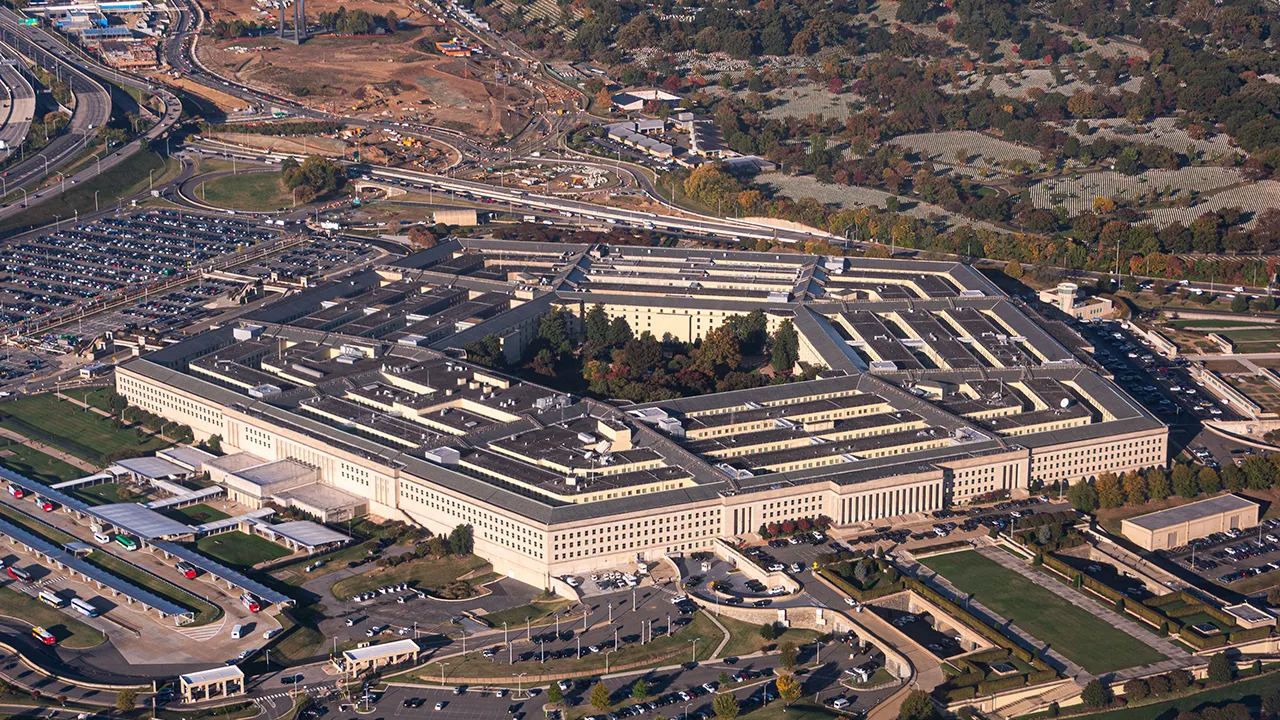
The Pentagon breach has landed like a punch to the gut for millions of people tied to the military world. Records connected to the Defense Manpower Data Center were exposed, and the sensitive details involved make this one especially hard to shrug off.
The concern is bigger than a routine password reset or a canceled card. Social Security numbers, birth dates, names and other personal data can sit in criminal hands for years, turning a single security lapse into a long tail of trouble.
Officials say the breach involved unauthorized access to a DMDC system between October 2025 and July 2026. The exposure affected 2.76 million living individuals and 294,000 deceased individuals, which shows just how wide the reach of this system really is.
The Pentagon says it has not seen signs that the data has been misused so far. That is a relief, but it does not erase the risk, especially when the exposed files were unencrypted and may have been visible for a long stretch before the problem was found.
What makes this breach sting is the kind of information sitting in those records. Depending on the person, the exposed data may include Social Security numbers, names, dates of birth, contact details, sex, race and military personnel information such as occupational specialties.
That last part matters more than it may seem. The Defense Manpower Data Center stores records for military personnel, civilian workers, contractors, family members, retirees and veterans, so a lot of people with long-past connections to the military could still be sitting in the system.
People who were affected are supposed to get a notice by mail through Identity Theft Guard Solutions, also known as IDX. If one shows up, it should not be tossed into the junk pile, because it should spell out what data was involved and what help is being offered.
According to officials, IDX is providing notification, credit monitoring and identity restoration support based on the data elements tied to each person. Anyone looking for more information can contact the response center directly, but caution is key when the first message about a breach comes through email or text.
Scammers love to jump on moments like this. A fake breach notice, a phony support line or a slick link can look convincing enough to trick people into handing over even more information than was stolen in the first place.
Social Security numbers are the real problem here because they do not expire. A credit card can be replaced quickly, but a stolen SSN can be recycled into identity theft attempts, phishing scams and fraudulent account openings long after the headline disappears.
That is why the response should be blunt and immediate. Anyone who receives an official notice should take the offered protection seriously, because even one exposed SSN can be combined with other stolen details to build a much bigger fraud case.
Credit monitoring can help spot suspicious activity, but it is not a shield. It usually tells people after something has already happened, which is why a credit freeze is often the stronger move when a Social Security number has been exposed.
A fraud alert is another option for people who do not want to lock down their credit completely. It adds a layer of verification when new credit is requested, which can slow down someone trying to open accounts in another person’s name.
Staying alert on existing accounts matters just as much. Bank activity, credit card charges and any unexpected changes tied to familiar accounts should be checked often, because some identity fraud never shows up as a brand-new loan or credit line.
The bigger lesson is pretty simple: a breach involving military records is not just a government paperwork problem. It can follow people into everyday life, turning mail, phone calls and digital messages into new points of risk long after the system itself has been patched.
